Water Damage Restoration Walnut, CA
Slab leak, split pipe or runoff coming off the hills? The restoration team in Walnut extracts standing water, dries the structure to the IICRC S500 standard and documents every step for the claim.
(888) 563-9619Stop the spread before the next roomWater wicks into drywall and baseboards within hours, and mold can start growing in 24 to 48 hours.
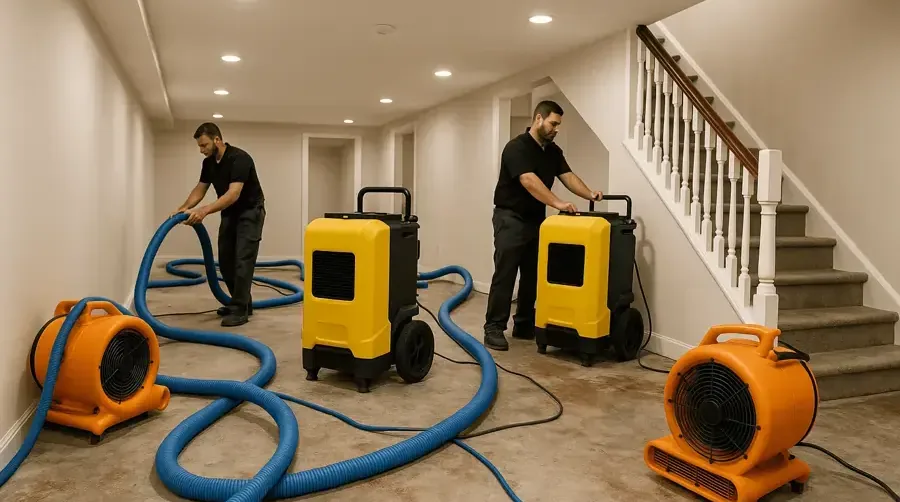
Water damage restoration services in Walnut, CA
Every service here deals with water or sewage, from the first pass of the extractor to the last moisture reading, across local houses, condos and commercial spaces.
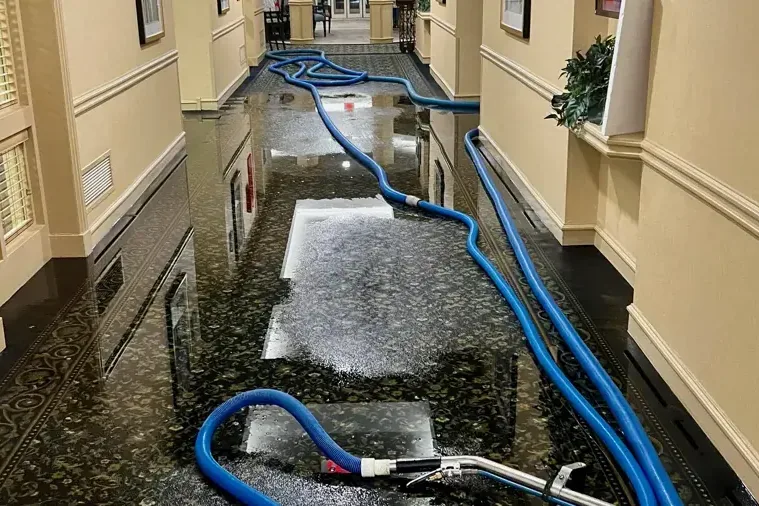 Water Extraction and RemovalTruck-mounted and portable extractors pull standing water out of carpet, pad and hard floors before it wicks upward.Scope and steps
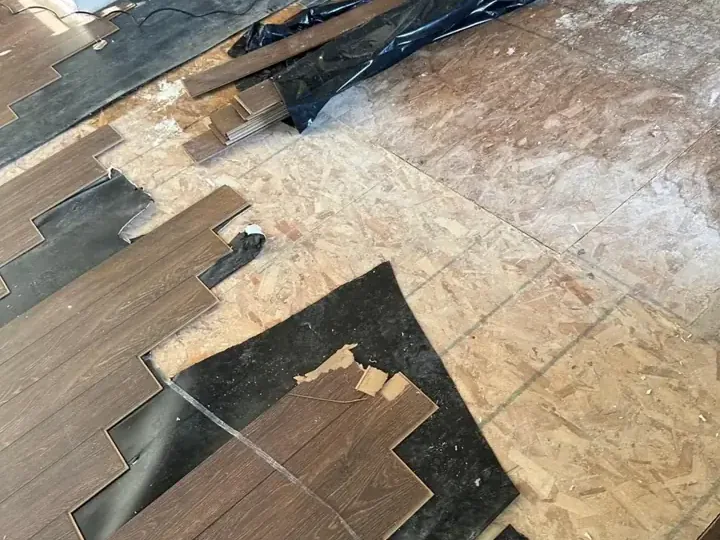
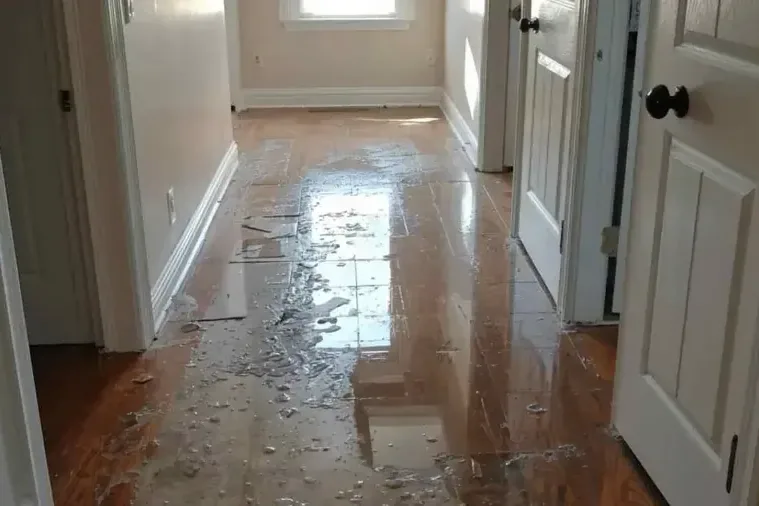 Slab Leak Water DamageCopper leaks under the concrete floor: wet flooring lifted where needed, then the slab and wall bottoms dried.Scope and steps
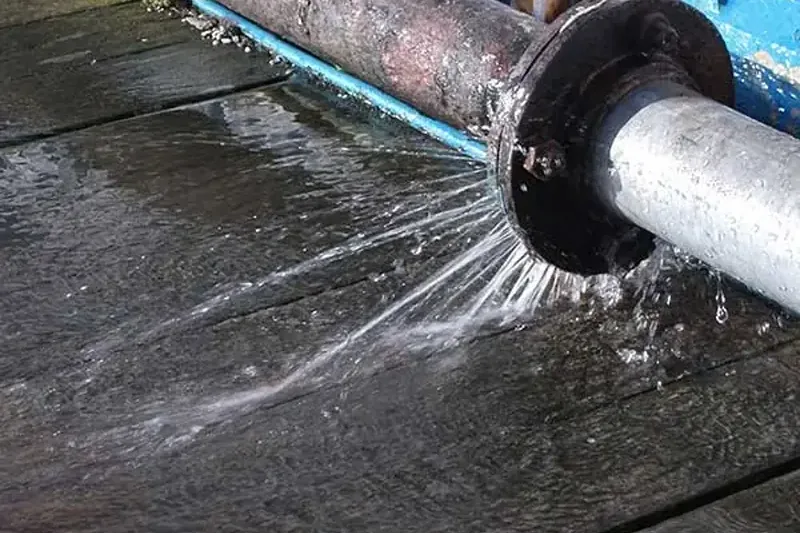 Burst and Pinhole Pipe LeaksSplit fittings and pinholed copper inside walls and ceilings, opened carefully and dried cavity by cavity.Scope and steps
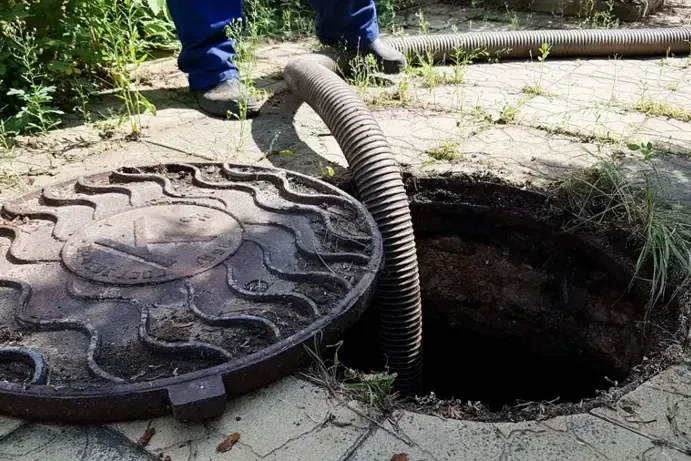 Sewage Backup CleanupToilet, shower and cleanout backups handled as Category 3, with soaked porous materials removed and surfaces disinfected.Scope and steps
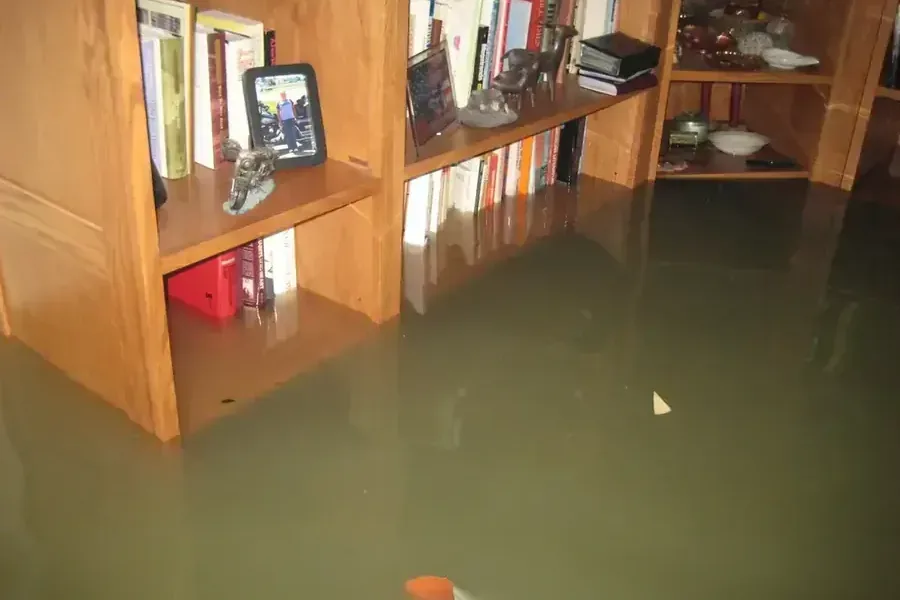 Winter Storm and Hillside Runoff CleanupRain and mud that came off the slopes or ponded at the curb, pulled out of rooms and garages and dried.Scope and steps
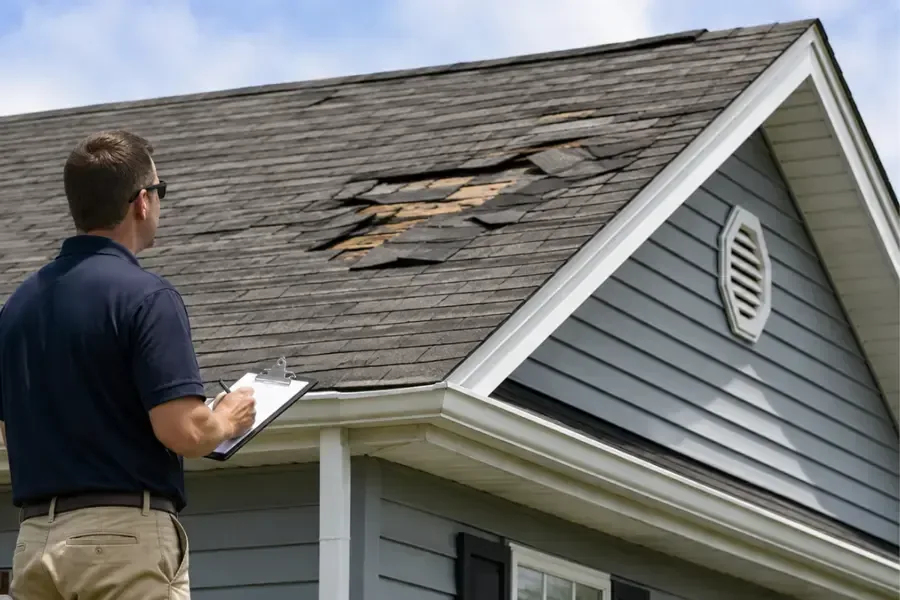 Roof Leak Water DamageTile, flashing and valley leaks in heavy rain: wet attic insulation bagged, ceilings and walls dried.Scope and steps
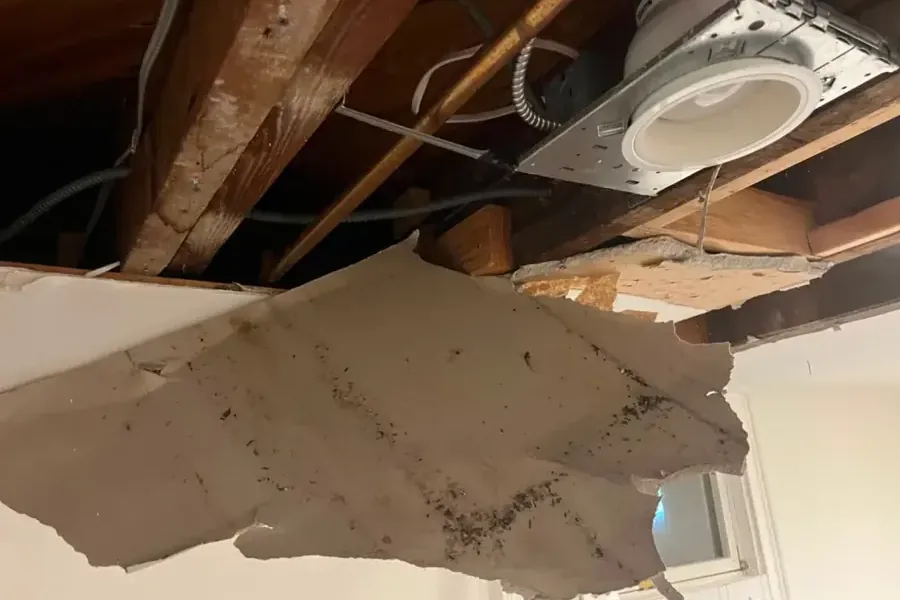 Ceiling Leak Water DamageLeaks from an upstairs bath or supply line traced through the floor system and the joist bays dried.Scope and steps
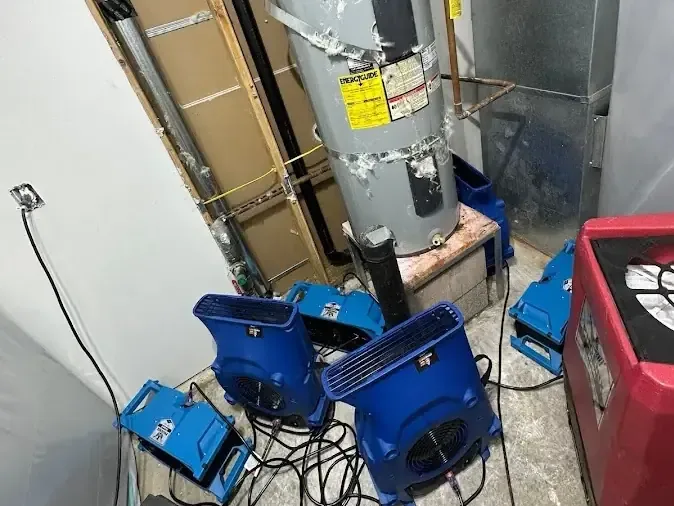
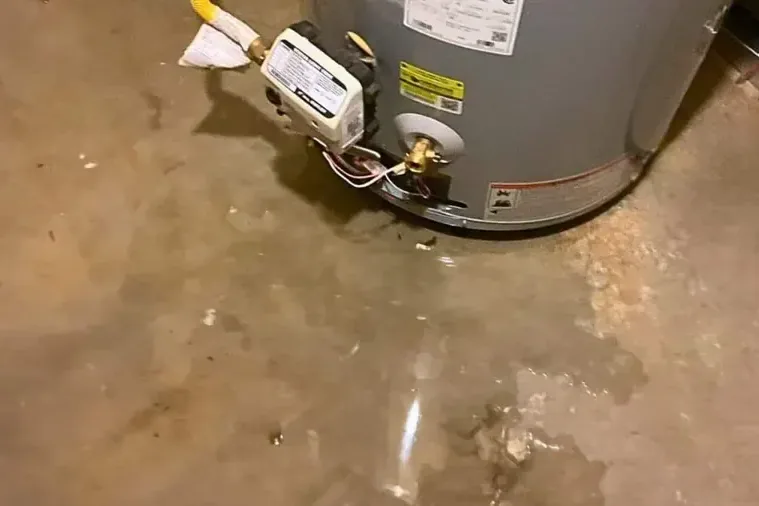 Water Heater Leak CleanupFailed tanks in garages and closets extracted before water runs under walls into living space.Scope and steps
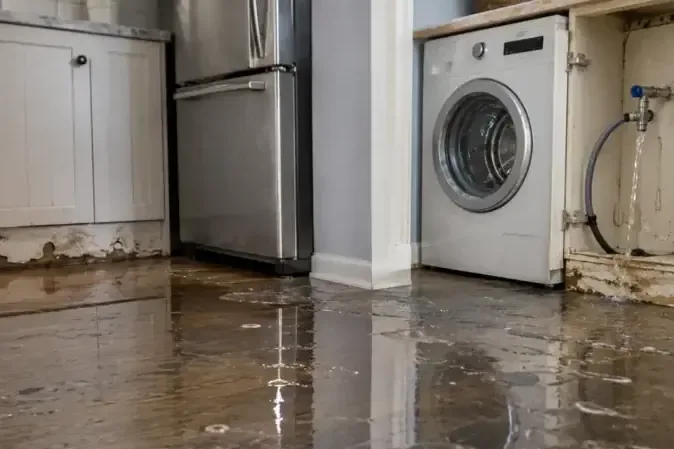 Appliance and Supply Hose LeaksWasher hoses, dishwasher lines, ice makers and toilet supplies: water pulled from cabinets and subfloor.Scope and steps
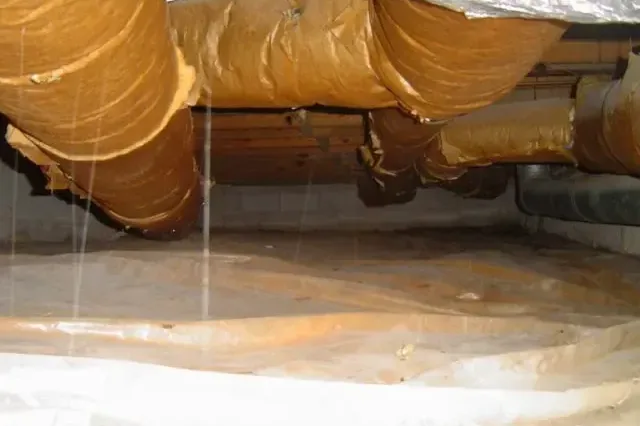 AC Condensate Overflow CleanupClogged condensate lines and full pans on attic units that drip through ceilings during long cooling runs.Scope and steps
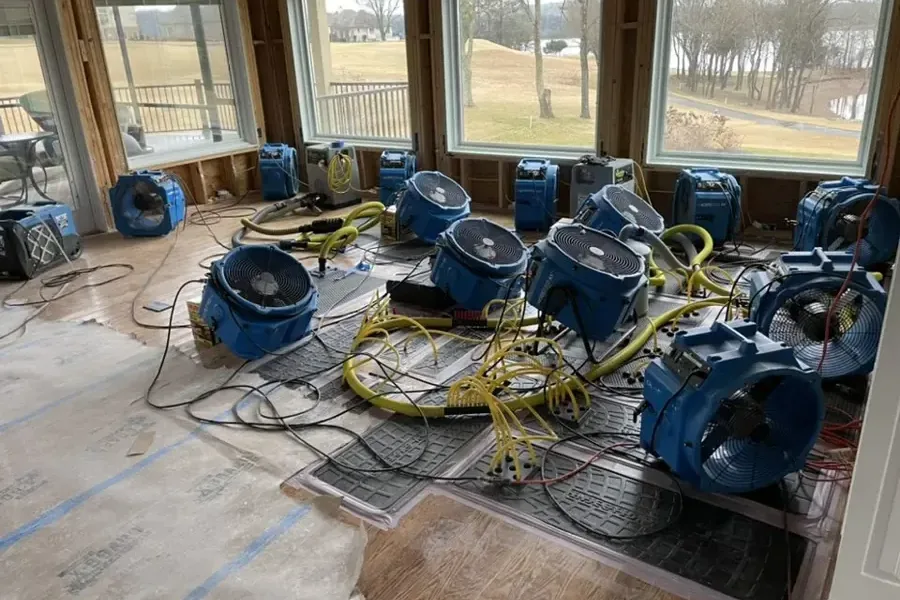
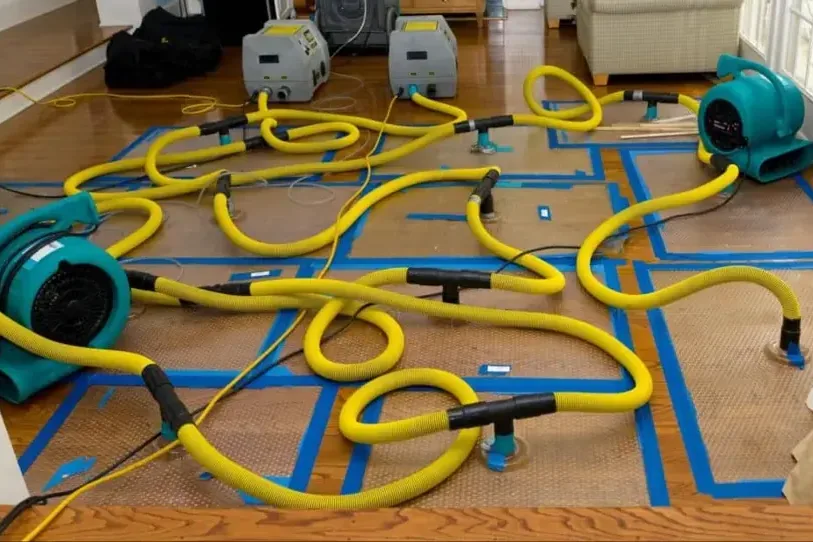 Structural Drying and DehumidificationFraming, subfloor, drywall and slab dried to within 2 to 4 points of a dry reference, with daily logs.Scope and steps
 Commercial Water DamageShops, offices, clinics and classrooms dried in zones so open areas can keep working where readings allow.Scope and steps
Why local homeowners ask for a measured dry-out
Drying is judged by readings, not by touch. The restoration team sets a dry reference, maps the wet area and keeps equipment running until the numbers match it.
Dispatch around the clock
Active water is treated as urgent at any hour, weekends and holidays included, because wicking and swelling begin right away. 24/7 dispatch routes the nearest crew.
IICRC S500 drying
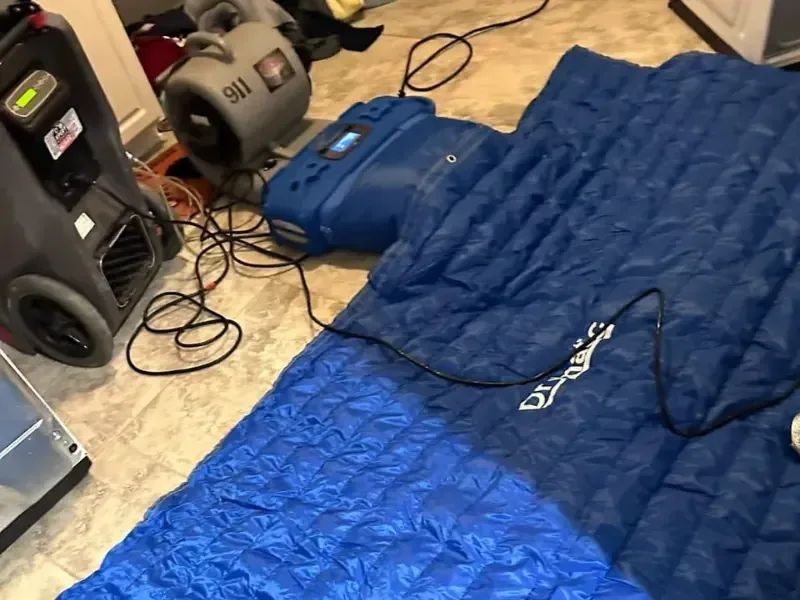
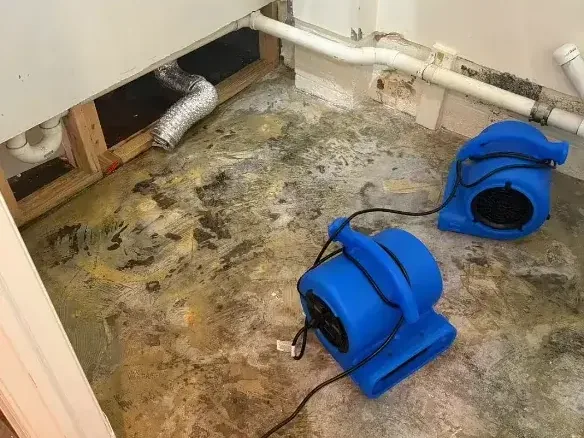
Air movers and LGR dehumidifiers are sized to the class of loss and keep running until materials read within 2 to 4 points of dry.
Claim-ready records
Moisture maps, daily psychrometric logs and timestamped photos taken before demolition go into a file the adjuster can follow line by line.
Hillside and slab know-how
Copper under concrete, attic condensate lines and winter runoff off the San Jose Hills are the losses that lead the list in this part of the valley.
What to do in the first hour after water appears
- Stop the source. Close the main shutoff, often near the front hose bib or in the garage, or the valve under the fixture that failed.
- Cut power to wet rooms. Switch off breakers where water touches outlets, cords or appliances, and keep clear of any ceiling that sags.
- Photograph before moving anything. Take wide and close photos of every wet room, the source and damaged belongings before cleanup begins.
- Lift what can be saved. Move rugs, electronics, papers and furniture off wet floors, and set foil or blocks under furniture legs.
- Call for extraction. Standing water and soaked pad need extraction and measured drying, not box fans alone, to stop wicking into walls.
Four stages from first reading to signed-off dry
IICRC S500 is the industry standard for water damage restoration. It sets how water is categorized, how drying equipment is sized and when a structure counts as dry, so the job ends on numbers.
Inspect and map
The response team finds the source, sets a dry reference and maps moisture with meters and thermal imaging, including wall cavities and slab edges.
Extract
The extraction crew pulls standing water from carpet, pad and hard floors with truck-mounted and portable units before any drying begins.
Dry and log
The drying team sets air movers and LGR dehumidifiers for the class of loss and records temperature, humidity and readings every day.
Verify and hand off
Equipment comes out only when readings sit within 2 to 4 points of the dry reference. The file then goes to you and the adjuster.
Three categories of water and what each one means
Clean water from a supply line
Category 1 comes from a pressurized pipe, slab leak or water heater. Caught early, it can usually be extracted and dried in place.
Pipe leak drying, explainedGray water from appliances and drains
Category 2 carries soap, food or organic matter, as with washer or dishwasher discharge and AC pan overflow. Carpet pad usually comes out.
How appliance leaks get cleanedBlack water from sewage and runoff
Category 3 means sewage or outside runoff. Porous materials it touched are removed, not dried, and surfaces get an EPA-registered antimicrobial.
What sewage cleanup involvesWhat does water damage restoration cost in Walnut, CA?
Most water damage restoration jobs here run from about $500 for a small clean-water extraction to $25,000 or more for sewage or a whole floor. Water category, square footage, material class and how fast drying started set the number.
Small clean-water loss
- One room or a closet
- Extraction and drying in place
- Category 1 water caught early
Room-sized or slab leak
- Several rooms or flooring lifted
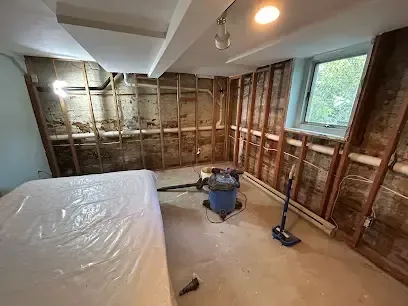
- Baseboards and lower drywall opened
- Category 1 or 2 water
Whole floor or sewage
- Category 3 water or runoff
- Porous materials removed
- Containment and antimicrobial
What moves the number
Ranges are typical, not a quote. The walkthrough and moisture map set the actual scope, and the extraction crew explains every line before equipment goes down. Waiting is the most expensive choice.
For a range built from your own answers, try the water damage cost calculator.
What goes into the claim file
A claim moves on documentation. The mitigation team builds the file while the work happens, so the adjuster sees what was wet, how wet it was and what was done.
- A moisture map of every affected room
- Daily psychrometric logs of temperature and humidity
- Timestamped photos taken before any demolition
- The water category and class of loss
- A line-item scope of the work performed
Check your own policy
Sudden and accidental water, such as a burst supply line or a failed water heater, is often covered under a homeowner policy. Slow leaks and wear are usually treated differently.
Surface flooding from runoff usually needs a separate flood policy. Coverage depends on the wording of your policy, so read it or ask your agent before assuming anything.
What a structural dry-out looks like from the inside
Covering Walnut from the San Jose Hills to Valley Boulevard
ZIP codes
One dispatch for every street, hillside to valley floor
The response team covers both ZIP codes, from Snow Creek and Three Oaks near the hills down to Lemon Creek, Creekside and Valley Boulevard.
Neighboring cities get the same extraction, drying and sewage cleanup, including Diamond Bar, West Covina, Pomona and Rowland Heights.
Walnut, CA · [email protected]
See every neighborhood and city on the map ›
(888) 563-9619Name your street and get a crew movingNeighborhoods and corridors
Nearby cities
What makes water damage in Walnut different
The city sits on the southern slopes of the San Jose Hills, where Snow Creek and Lemon Creek drain toward San Jose Creek. Housing age, slab floors and dry summer heat shape the rest.
January and February Nearly half of the roughly 17 inches of yearly rain lands in these two months, when soaked hillsides can shed runoff and low spots in a street can pond.
Copper under the slab
Most local homes were built between 1970 and 1999, and copper supply lines have run under their concrete floors for decades. A pinhole on the hot line shows up as a warm spot or damp carpet.
Runoff off the San Jose Hills
The city sits on the slopes of the San Jose Hills. After long rain, saturated ground can push water and mud toward patios and garages, most of all for homes nearest the hills.
Attic air handlers in the heat
Summers run hot, with a record high of 117 degrees. Long cooling runs fill condensate pans, and a clogged drain line drips through hallway and bedroom ceilings.
Ponding and clogged drains
Heavy rain can pond at low spots in a street, and storm drains can clog with leaves and debris. Water that backs up at the curb can reach driveways, garages and door thresholds.
Big floor plans, long supply runs
About half of local homes have four bedrooms. Larger floor plans mean longer supply runs and more fixtures, so a hidden leak can travel through framing and surface a room or two away.
Water damage questions from Walnut homeowners
Water still spreading through the house?
Skip the reading for now. Shut off the main if it is safe, stay clear of wet outlets and call for extraction.
(888) 563-9619 Talk through the wet roomHow fast does a crew respond to active water?
Active water is treated as urgent at any hour. Dispatch runs 24/7 and routes the nearest available crew with extractors, air movers and meters. Arrival depends on traffic and jobs already underway, so the dispatcher gives a real time on the call.
What should I do while I wait for the extraction crew?
Shut off the main or the fixture valve, switch off breakers for wet rooms and photograph everything before moving it. Lift rugs, papers and electronics off the floor. Skip the household vacuum, which is not built for water.
Will homeowners insurance pay for water damage?
Sudden and accidental water, such as a split supply line or a failed water heater, is often covered. Surface flooding usually needs a flood policy, and slow leaks are treated differently. Check your own policy; the claim file holds the moisture map, daily logs and photos.
Why do slab leaks show up so often in local homes?
Most homes here went up between 1970 and 1999, and many have copper supply lines under a concrete slab. After decades, a pinhole opens, often on the hot line. A plumber repairs the pipe; the restoration team lifts wet flooring and dries the slab.
How long does structural drying take?
A contained Class 1 or 2 loss usually dries in three to five days when drying starts quickly. Dense materials, a wet slab or a late start add days. The equipment stays until readings sit within 2 to 4 points of a dry reference.
What is the IICRC S500 standard?
S500 is the industry standard for professional water damage restoration. It defines water categories and classes of loss, how drying equipment is sized and placed, and how dryness is verified with readings rather than by touch.
When does drywall have to come out?
Drywall comes out when Category 3 water touched it, when water wicked high above the floor, or when readings will not drop. Clean water caught early can often be dried in place with small vent holes behind the baseboard.
Why is a sewage backup handled differently from a pipe leak?
Sewage is Category 3 from the first minute. Crews wear PPE, set containment and remove porous materials below and slightly above the waterline. Surfaces get an EPA-registered antimicrobial left on for its full dwell time before drying.
How is the cost of a water damage job figured?
The scope comes from the walkthrough: water category, square footage, material class and how long the water sat. Each item lands on a line-item scope, so extraction, equipment days, removal and antimicrobial are priced separately.
Can runoff from the hills get into a slab home?
Yes. After long rain soaks the slopes, runoff and mud can push under garage doors and through thresholds, especially near the hills. Outside runoff is treated as Category 3, so wet carpet, pad and lower drywall are removed.
Water where it should not be? Get it measured and dried properly.
Extraction, structural drying and a claim-ready file, at any hour, across the east San Gabriel Valley.
(888) 563-9619Book the walkthrough and readings