Water Damage Restoration in El Monte
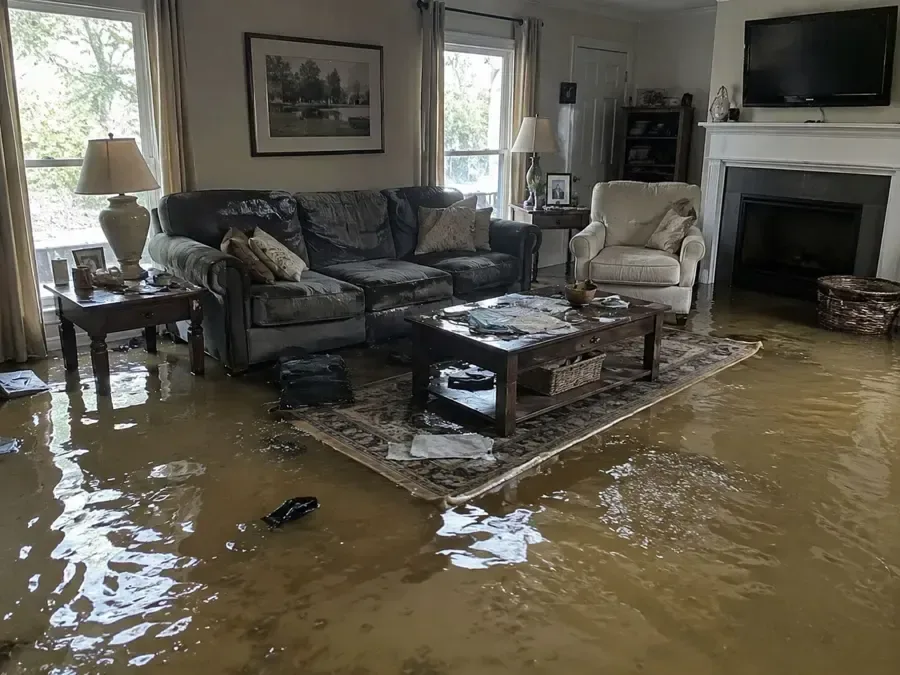
A split pipe, a backed up drain or a winter storm can soak an El Monte home fast. Extraction crews pull the water out, then drying equipment draws moisture from floors and framing.
(888) 563-9619Report the leak to the teamWater damage does not wait for business hours, so the team can be reached at any hour.
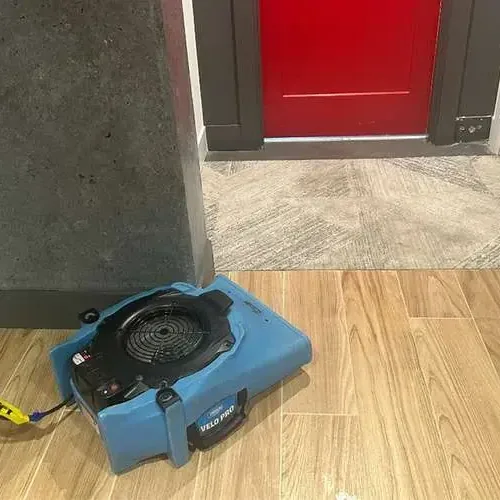
Services for every source of indoor water
From a quick spot extraction to a drying job that spans a whole floor, each service below is matched to how wet the structure actually is.
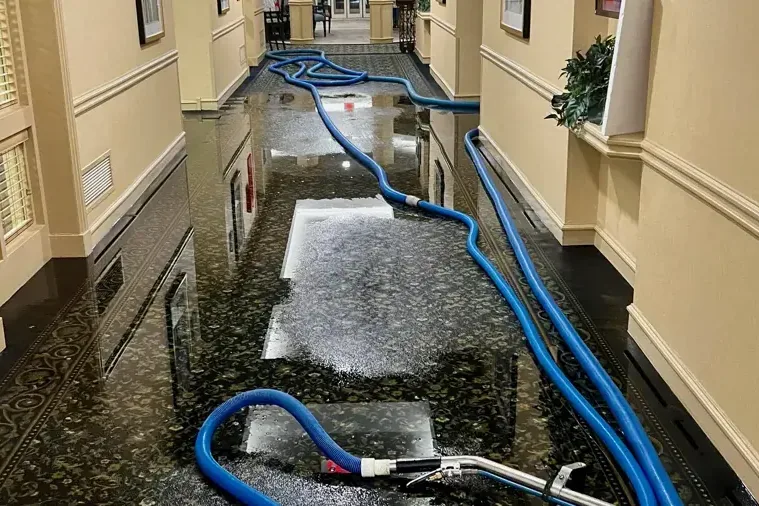 Water Extraction and RemovalPumps and wet vacuums remove standing water from carpet, hardwood and tile before it spreads into the subfloor.Scope and steps
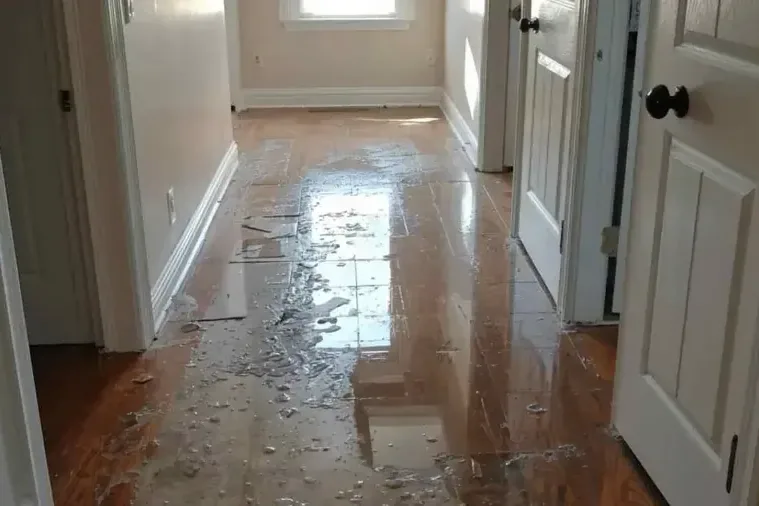 Slab Leak Water DamageHidden leaks beneath a concrete floor are traced, the damp flooring is opened where needed and the area is dried.Scope and steps
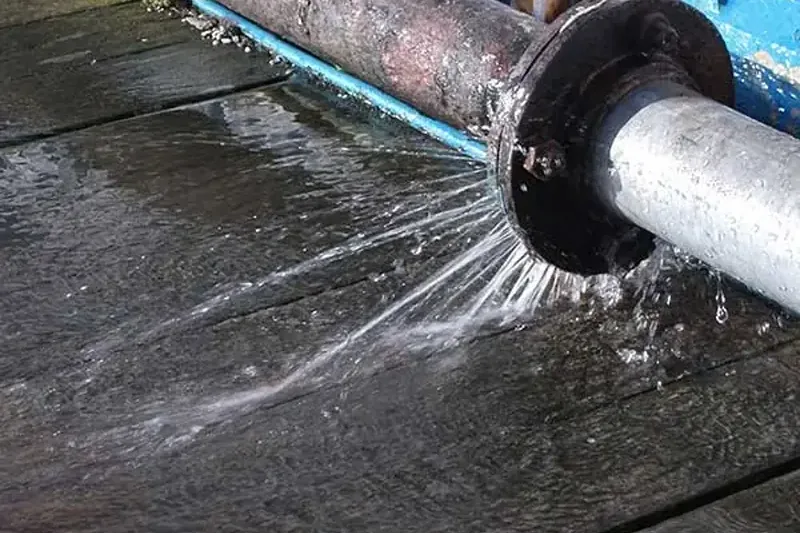 Burst and Pinhole Pipe LeaksA split or pinhole pipe soaks walls and cabinets, so the water is cleared and wet materials are dried.Scope and steps
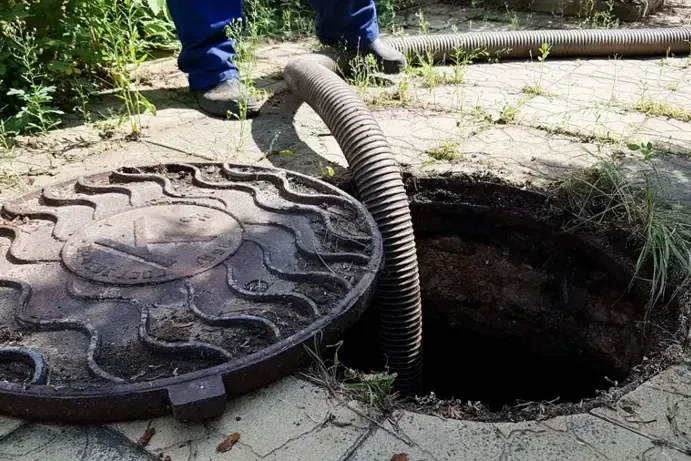 Sewage Backup CleanupBacked up drains put contaminated water on floors, so affected materials are removed and the area is cleaned and sanitized.Scope and steps
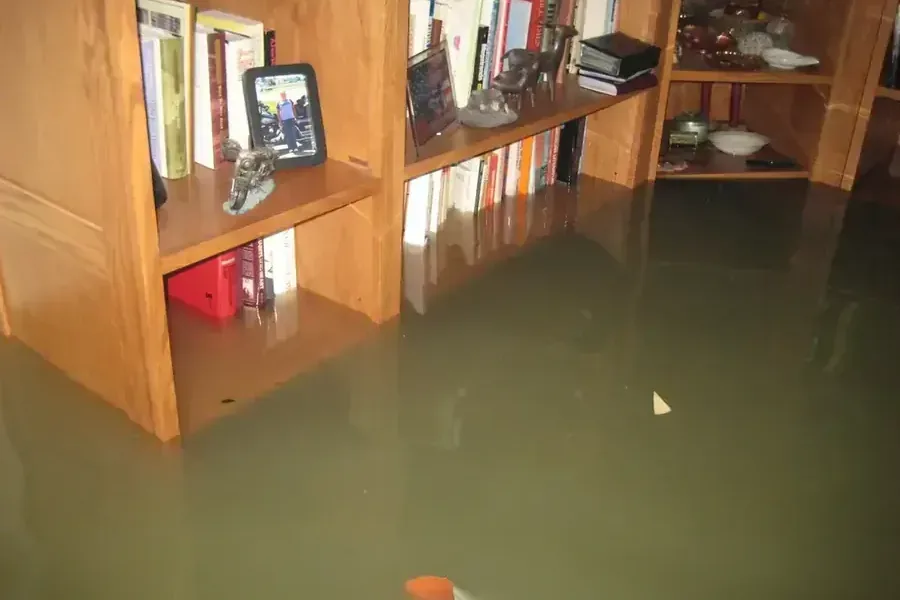 Winter Storm and Hillside Runoff CleanupWinter storm runoff that enters a garage, entry or living area is pumped out and the soaked materials are dried.Scope and steps
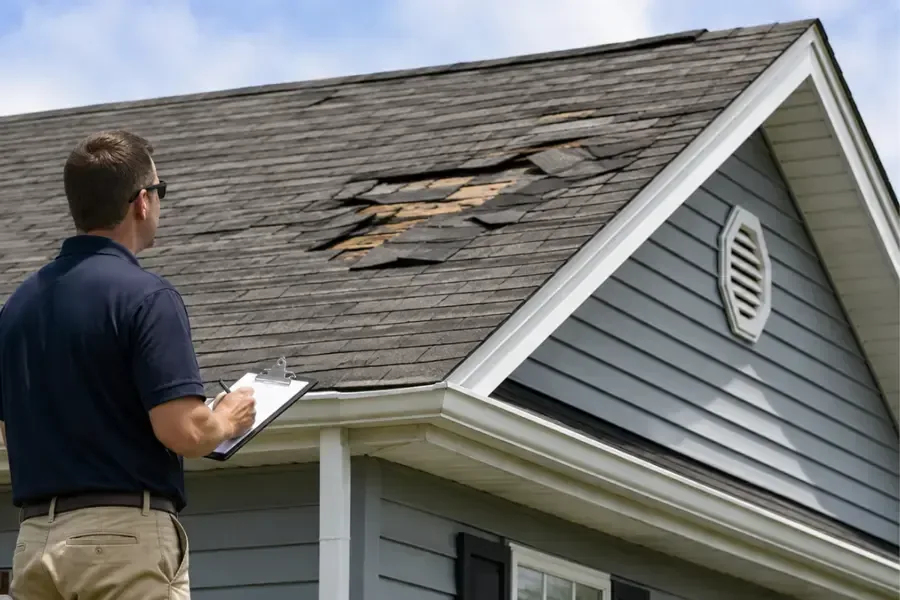 Roof Leak Water DamageRain that gets past a worn roof soaks insulation and ceilings, so the wet layers are found, removed and dried.Scope and steps
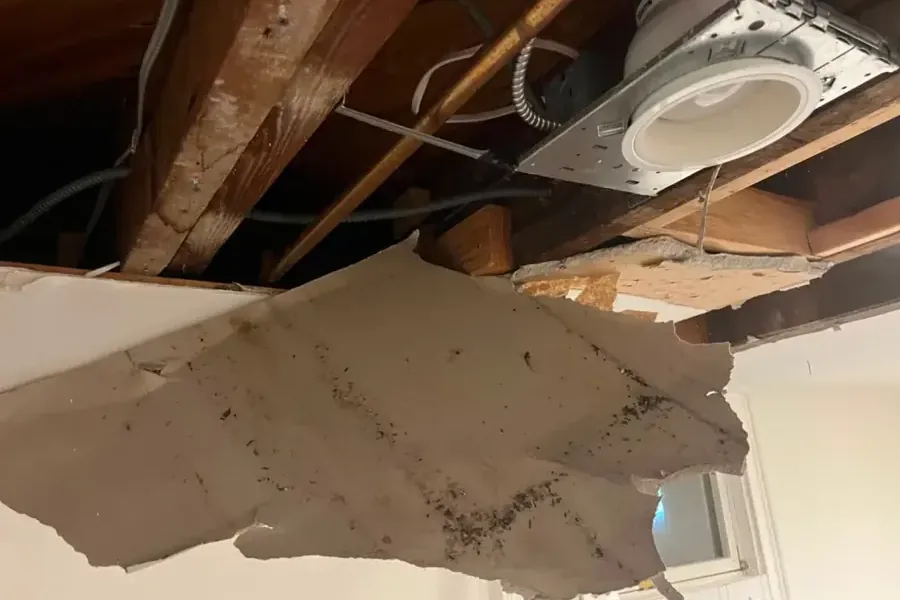 Ceiling Leak Water DamageA stained or sagging ceiling is checked with moisture meters, opened if needed and dried before it fails.Scope and steps
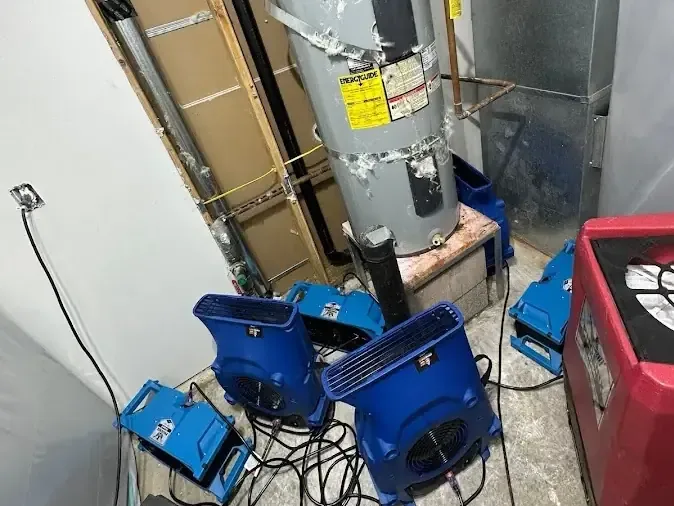
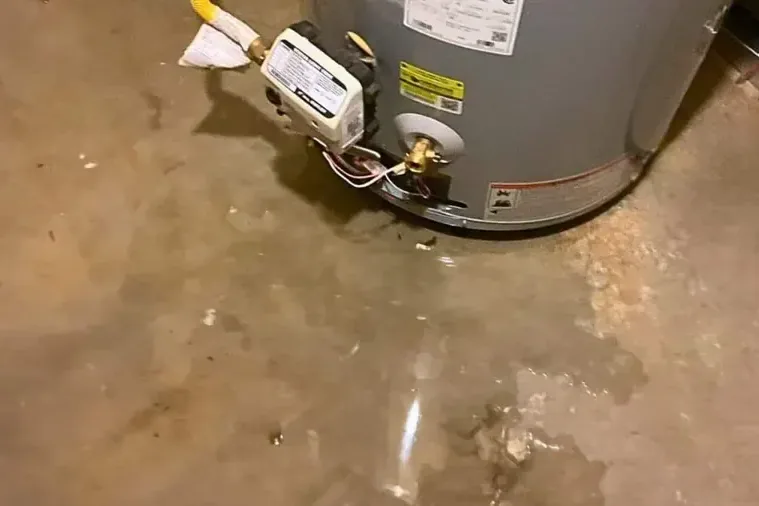 Water Heater Leak CleanupA failed tank floods the closet or garage first, then moves into living space, and the drying covers every wet surface.Scope and steps
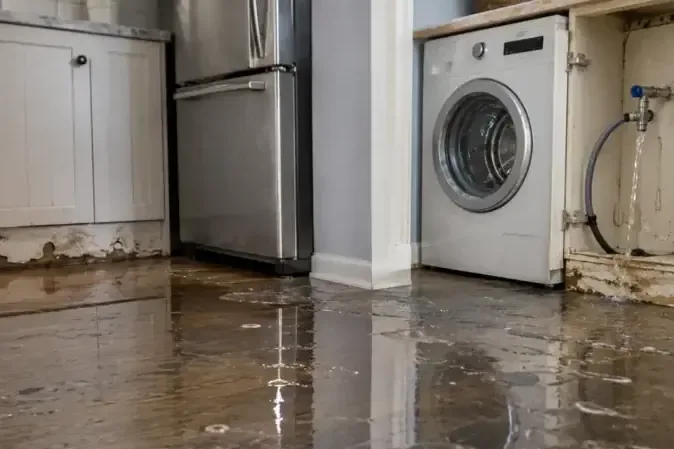 Appliance and Supply Hose LeaksWashers, dishwashers and refrigerator supply hoses fail often, and the response covers the flooring and cabinets they soak.Scope and steps
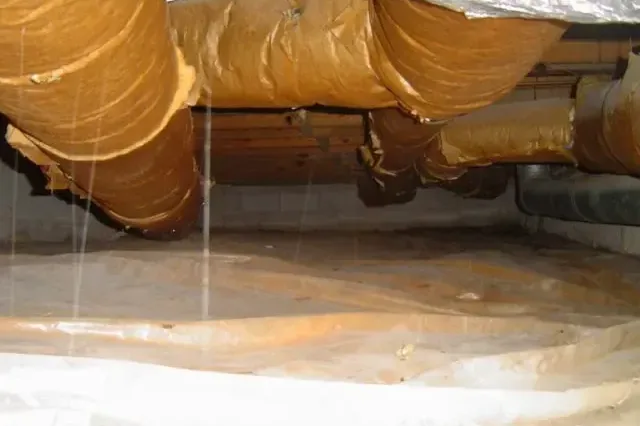 AC Condensate Overflow CleanupA clogged condensate drain overflows into ceilings and closets, and the stained, damp materials are dried and cleaned.Scope and steps
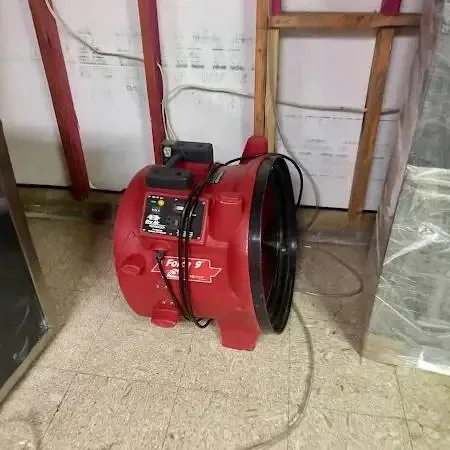
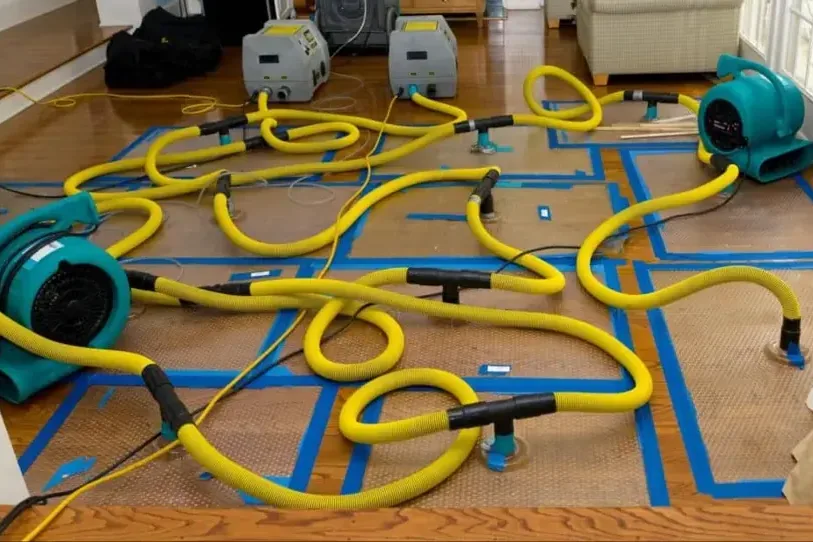 Structural Drying and DehumidificationAir movers and dehumidifiers pull moisture out of framing and subfloors until readings return to normal.Scope and steps
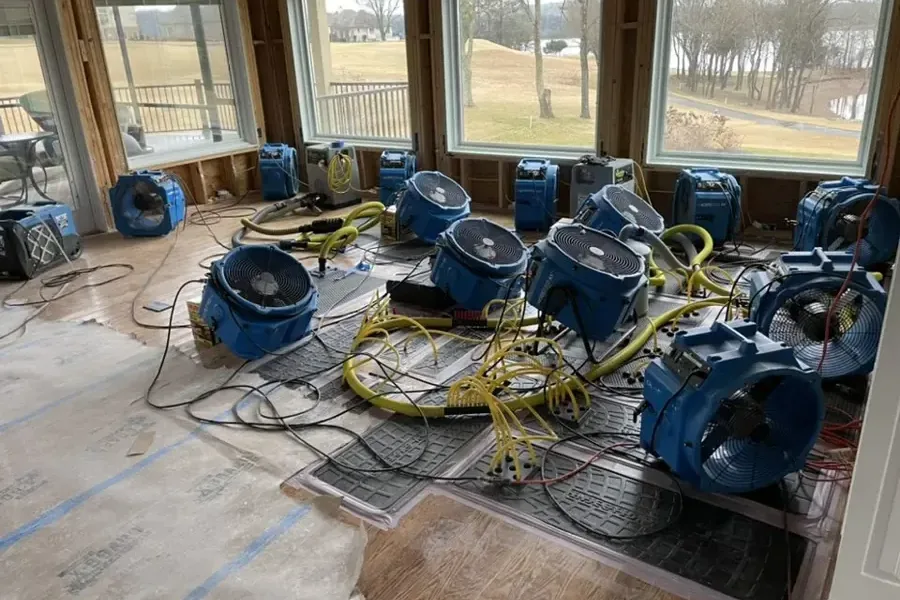 Commercial Water DamageOffices, shops and school buildings get a drying plan sized to the floor area and set up around daily operations.Scope and steps
Built around readings, not guesses
The work follows measured moisture, dated photos and clear scope notes, so each decision about what to dry and what to remove can be explained.
Moisture mapping first
Meters trace where water traveled behind baseboards and under flooring, so drying covers hidden wet areas and not only visible stains.
Clear written scope
Each job starts with a plain list of what is wet, what comes out and what stays, so owners and renters know the plan.
Equipment sized to the room
Air movers and dehumidifiers are matched to the wet area, and daily readings decide when each machine can come out.
Water and sewage only
The crew focuses on water and sewage losses, which keeps the process, the equipment and the documentation specialized.
What to do right after water shows up
- Stop the source. If a pipe or hose is spraying, close the shutoff valve at the fixture or the main so no more water enters.
- Cut power near water. Keep away from wet outlets and flooded cords, and switch off the breaker for the area if it is safe to reach.
- Lift what you can. Move rugs, small furniture and electronics onto dry ground, and leave soaked drywall and flooring in place for the team.
- Photograph the damage. Take clear pictures of the water, the wet belongings and the damaged areas before anything is moved or thrown out.
- Call the team. Describe what happened and what is wet, and the crew plans the extraction and drying around those details.
A set routine from first call to dry
Every job follows the same order: stop the water, remove what is standing, open what is hidden and keep drying until the readings match an unaffected part of the home.
Stop and assess
The crew locates the source, confirms the water is off and walks the property with meters to see which rooms, walls and floors are wet.
Extract
Pumps and wet vacuums remove the standing water, and wet carpet padding is pulled when it cannot be saved.
Open and dry
Baseboards, cabinet bases and wall sections are opened where moisture is trapped, then air movers and dehumidifiers run until the cavities dry.
Check and document
Daily moisture readings show progress, and the equipment is removed only when the wet materials reach normal levels.
The three most common ways water gets in
Pipes that split or leak
A pinhole in a supply pipe can soak a wall for days before a stain appears, and a split pipe can empty into a room in an afternoon.
How pipe leaks are handledAppliances and hoses
With 3.71 people in the average household, laundry and dishwasher hoses work hard, and one failed fitting can flood a kitchen or utility room.
Appliance leak cleanup detailsSewer and drain backups
A blocked drain sends contaminated water onto floors, which makes it a health issue that calls for removal and sanitizing, not just drying.
Sewage backup cleanupTypical price ranges for water damage work
Most losses fall between $500 and $25,000, depending on how much area is wet and how long the water sat. Clean water caught early costs far less than sewage or a leak that ran for days.
Small clean water loss
- Spot wet carpet or tile
- Quick extraction
- A short drying run
Room sized or slab leak
- Walls and floors affected
- Extraction plus drying
- Several days of equipment
Whole floor or sewage
- Most of a floor affected
- Sewage or long standing water
- Removal plus extended drying
What moves the number
These ranges are typical, not quotes. The final number depends on the moisture readings, the materials involved and how many days the drying equipment has to run in the home.
For a range built from your own answers, try the water damage cost calculator.
Working with an insurance claim
Many sudden water losses are reported to an insurance company, and clear records make that conversation easier. The team documents the loss as the work moves along.
- Dated photos of every wet room and surface
- Moisture readings taken in each affected room
- A list of every material removed and why
- Receipts for any emergency plumbing repairs
- Notes on when the leak started and stopped
Steps owners can take first
Because 60.1% of occupied homes here are rented, tenants and landlords often both need to report the loss, so each should keep their own photos and notes.
Policy terms and coverage limits vary, so a call to the insurance company comes before any large repair, while the drying itself should start without delay.
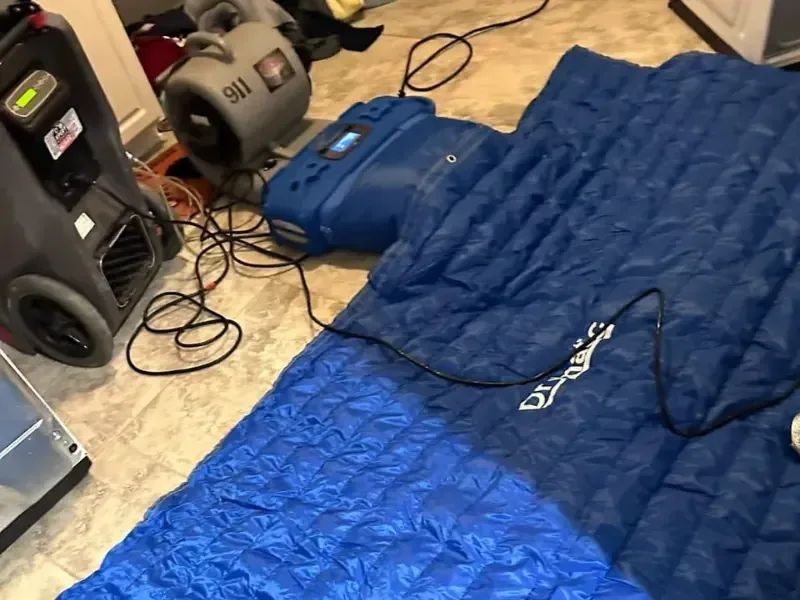
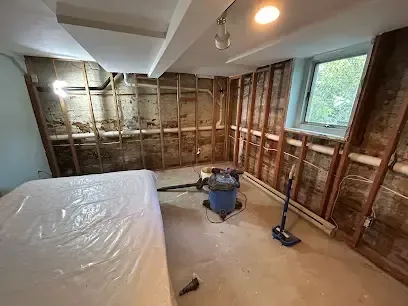
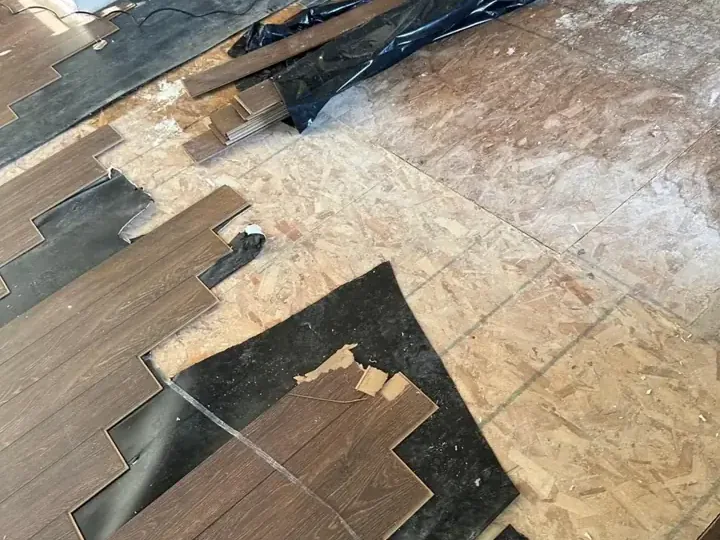
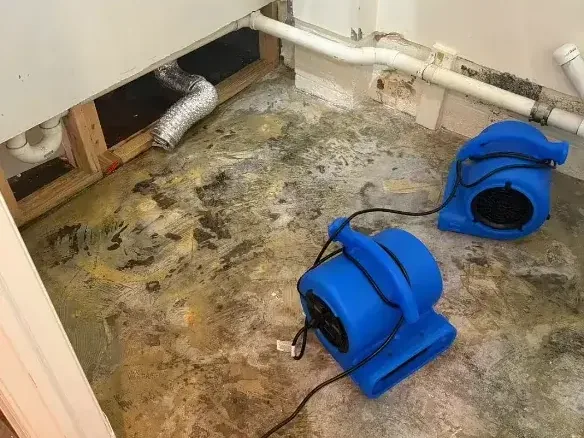
Inside a typical structural dry out
Water damage service across the whole city
ZIP codes served
Help for El Monte properties, day or night
The restoration team covers the whole city, from the central business district and Mountain View in the northwest to Flair Park and the blocks along Valley Boulevard.
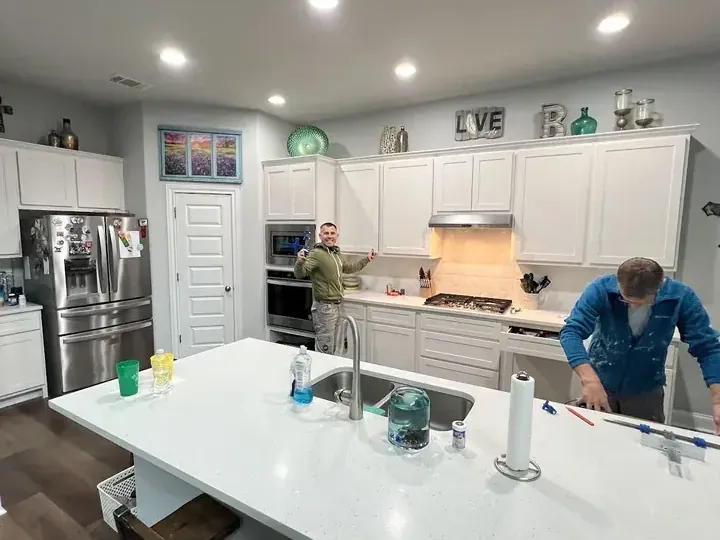
Homes, rentals, schools and businesses are all handled, and the team works around tenants, landlords and building managers.
El Monte, CA · [email protected]
(888) 563-9619Ask about your streetCorridors and neighborhoods
Nearby cities
What drives water damage across El Monte
El Monte has a Mediterranean climate with about 18.06 inches of rain a year, nearly all of it in winter, and the pipes, roofs and drains in local homes take the strain.
1914, 1934 and 1938 Severe San Gabriel River floods in those years led Los Angeles County, and later the federal government, to build dams, debris basins and channels that still shape flood control along the river.
Winter rain peaks
February averages 4.66 inches of rain, with January at 3.68 inches and March at 3.00 inches, so storm water, roof leaks and drain overflows bunch up in those months.
Dry summers, sudden fall storms
June, July and August average only 0.15, 0.04 and 0.07 inches of rain, so October's 0.78 inches is often the first real test for roofs and gutters.
Air conditioners run hard
Average highs reach 85 degrees F in July and 87 degrees F in August, so cooling systems run for months and condensate drains can clog and overflow into ceilings and closets.
Mild winters, few freezes
January lows average 45 degrees F and December lows 44 degrees F, so burst pipes here are rarely freeze events and more often come from wear, pressure or a failed fitting.
Rivers held by dams
The San Gabriel River and the Rio Hondo both pass through the Whittier Narrows, where Whittier Narrows Dam controls the outflow from both rivers, a reminder that flood control shapes life across this part of the valley.
El Monte water damage questions
Still have a question?
Describe the situation and get a plain explanation of what needs removal, what can be dried and what the next step is.
(888) 563-9619 Talk water damage with the teamHow fast does water damage spread inside a house?
Water wicks into baseboards, drywall and subflooring quickly, and the first day matters most. Wet drywall can pull water well above the visible wet spot. Mold can start to grow within 24 to 48 hours in damp materials, so removal and drying begin right away.
What does water damage restoration cost in El Monte?
Most jobs fall between $500 and $25,000, depending on how much area is wet, the water category and how long equipment has to run. A small clean water spill sits at the low end, while sewage across a floor sits at the high end. Coverage for sudden losses depends on the policy.
Is a sewage backup different from a clean water leak?
Yes. Sewage is Category 3 water that carries bacteria, so porous materials are removed and surfaces are sanitized rather than simply dried. The City of El Monte Sewer Division maintains the public sewer system, but sewage backup cleanup inside a home follows the same steps.
Who handles a leak in a rented home?
With 60.1% of occupied homes here rented, tenants and landlords are often both involved. Drying can start once someone with access to the unit approves the work, and both sides should keep photos of the damage.
Can wet carpet and drywall be saved?
Often, when the water is clean and removal starts quickly. Carpet can sometimes be lifted and dried in place, while soaked padding, saturated drywall and anything touched by sewage is usually removed. Rugs and furniture get sorted case by case.
Does the restoration team repair the plumbing too?
No. The team handles water removal and drying, while a plumber repairs the pipe, fitting or hose that failed. The two jobs are timed so the wet area is not closed up before it is dry.
What are the signs of a hidden leak?
Warm spots on a floor, a rising water bill, peeling paint, musty smells and stains that keep returning are common clues. A moisture meter finds wet materials that cannot be seen from the surface.
How long does drying take after a leak?
Most clean water losses dry in about three to five days, though thick framing, hardwood and long running leaks can take longer. Dry summers help, since July averages only 0.04 inches of rain. Daily readings in structural drying decide when the equipment can come out.
Are businesses and schools handled too?
Yes. Commercial water damage work in El Monte spans school campuses, dealerships, big box stores and offices, and each drying plan is built around the floor area, the materials and the hours the building operates.
What should owners do before the team starts?
Shut off the water at the fixture or the main, switch off power to wet areas if it is safe and take photos before anything is moved. Soaked materials should stay in place until the team has documented them.
Water keeps spreading until it is dried, so call about your property
Describe what happened and what is wet, and the team will outline the extraction and drying steps.
(888) 563-9619Call about your El Monte loss