Water Damage Restoration Pomona, CA
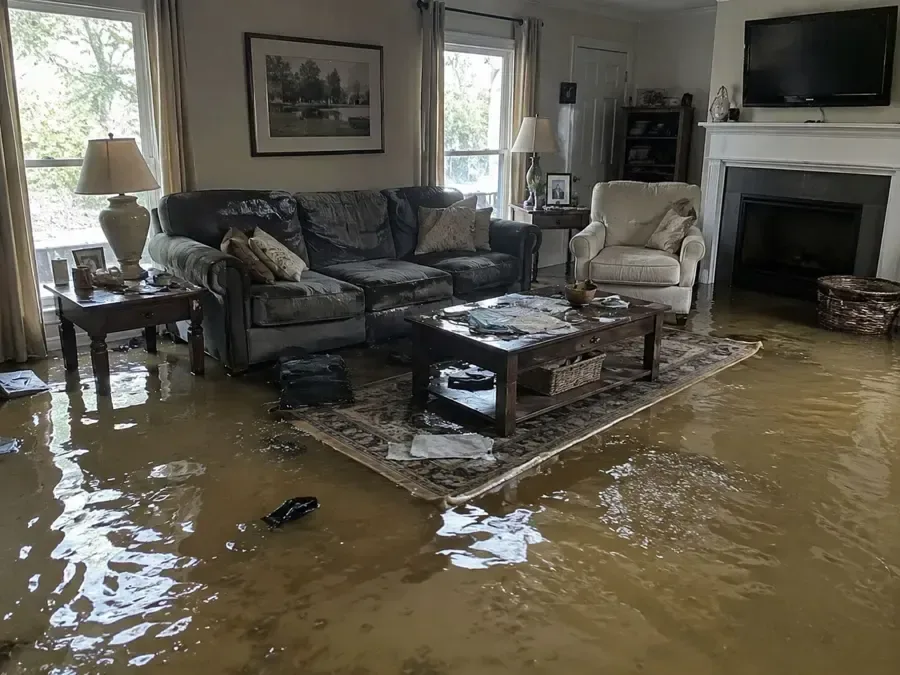
Washer hose burst, ceiling dripping or storm water at the back door? The restoration team covering Pomona extracts the water, dries the structure to IICRC S500 and records each step for the claim.
(888) 563-9619Get the wet rooms dried before they spreadWater creeps up drywall and baseboards over the first few hours, and mold growth can begin after 24 to 48 hours.
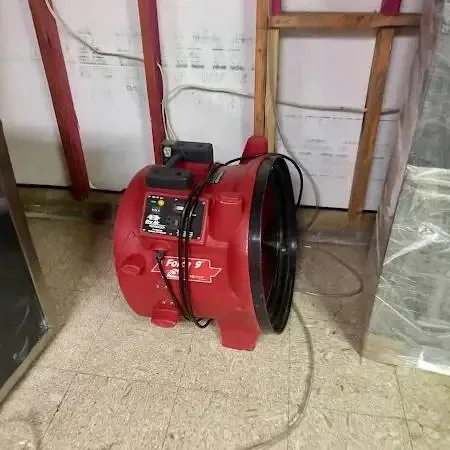
Water damage services for Pomona homes
Each service on this list handles water or sewage, from extraction on the first visit to the final moisture reading, in houses, rentals, townhomes and commercial buildings across the city.
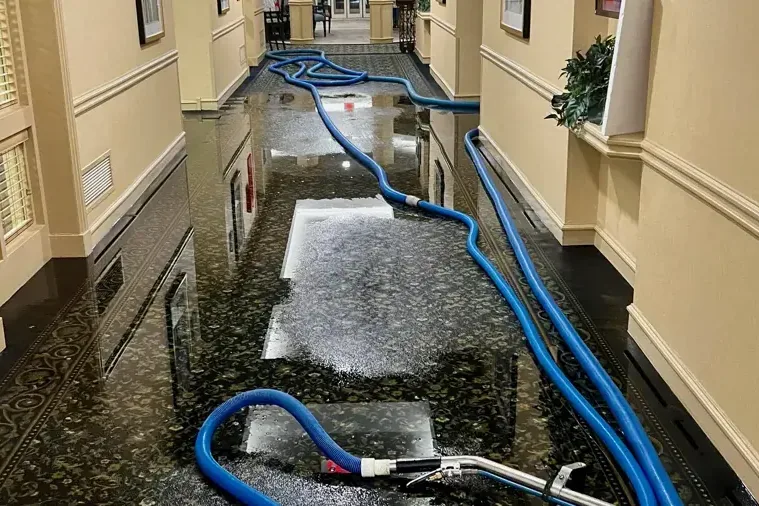 Water Extraction and RemovalStanding water drawn out of carpet, pad, tile and wood with truck-mounted and portable units before it climbs into walls.Scope and steps
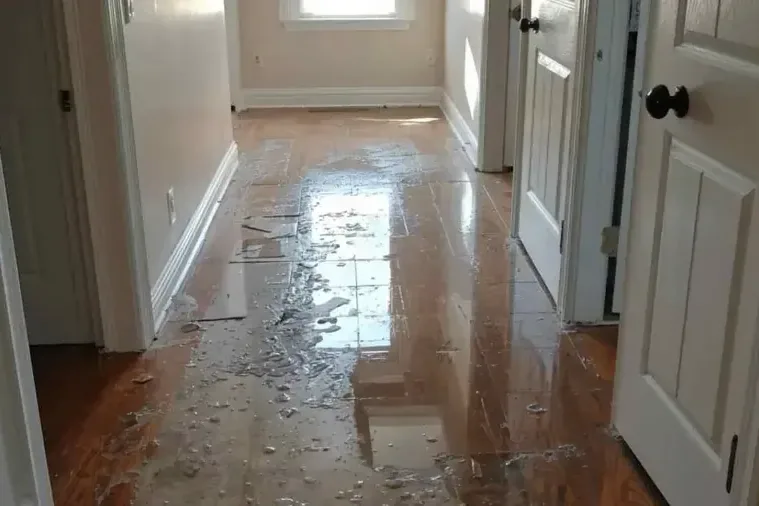 Slab Leak Water DamageA leak beneath the concrete floor: readings decide which flooring comes up, then the slab and wall base get dried.Scope and steps
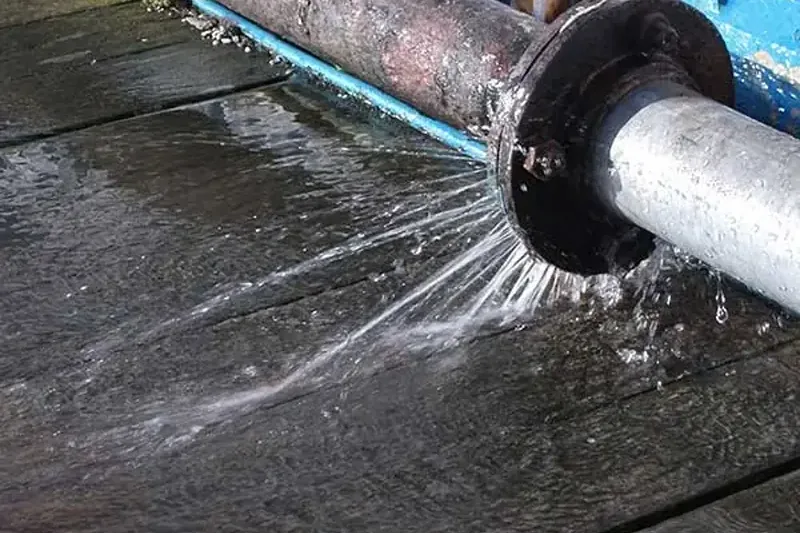 Burst and Pinhole Pipe LeaksSplit fittings and pinhole leaks inside walls and ceilings opened in clean lines and dried one cavity at a time.Scope and steps
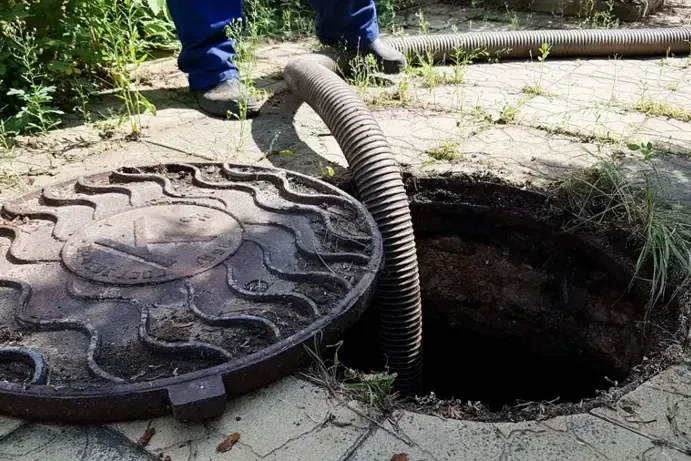 Sewage Backup CleanupToilet, tub and cleanout overflows handled as black water, contaminated materials cut out and every surface sanitized.Scope and steps
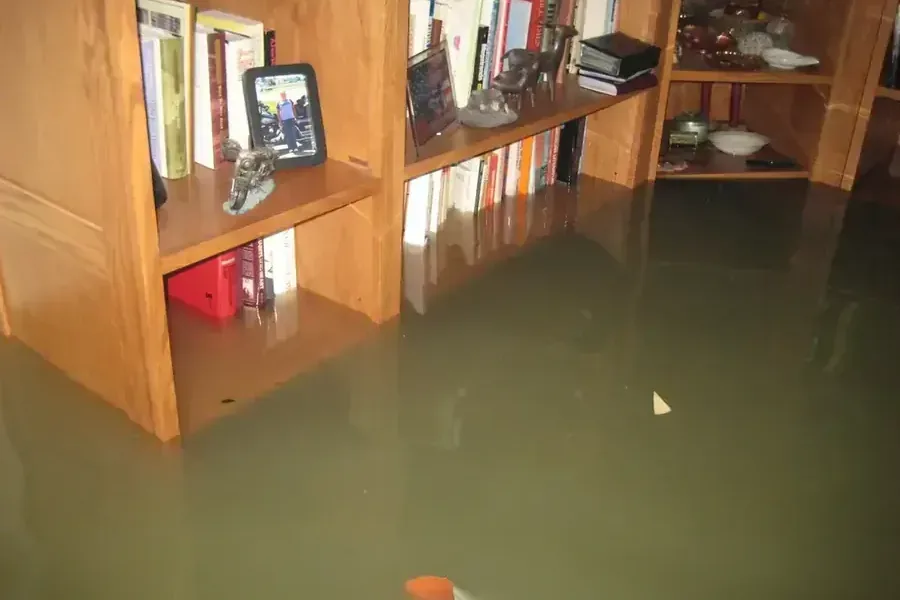 Winter Storm and Hillside Runoff CleanupWinter storm water and runoff from sloped lots pulled out of rooms and garages, then cleaned and dried.Scope and steps
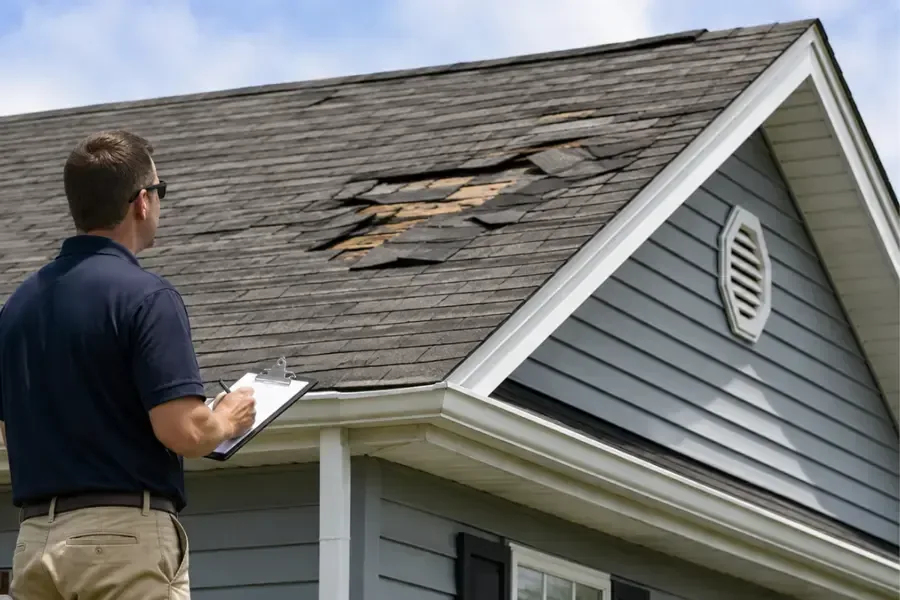 Roof Leak Water DamageRain finding a gap after the dry months: soggy attic insulation pulled, the ceiling and walls below dried.Scope and steps
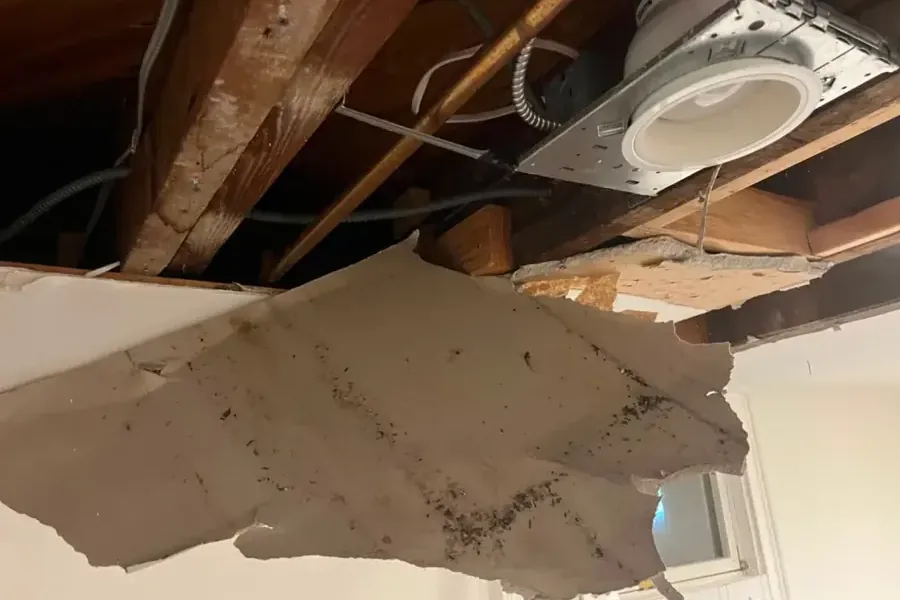 Ceiling Leak Water DamageDrips from a bathroom or supply pipe overhead traced across the framing, each wet joist bay opened and aired.Scope and steps
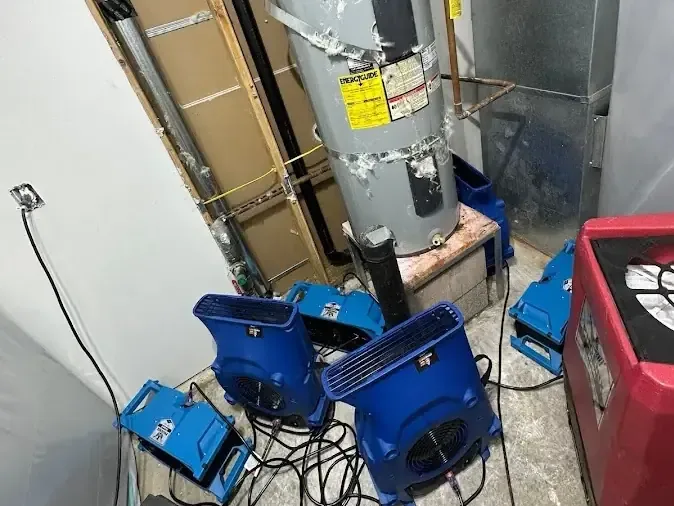
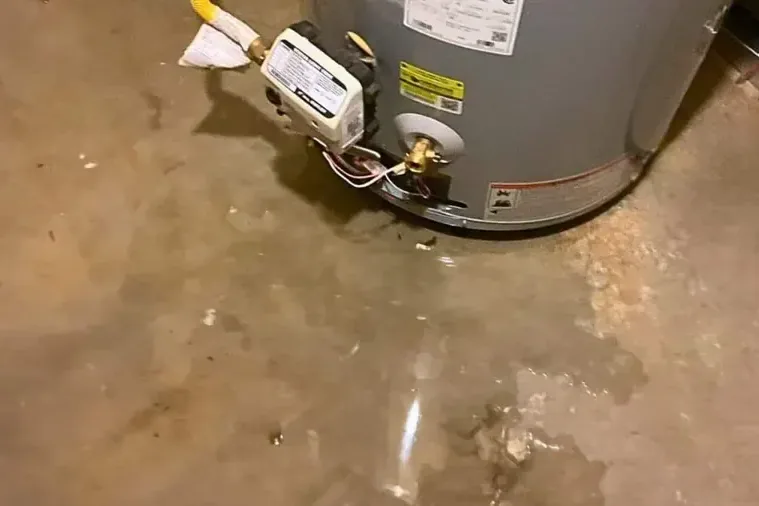 Water Heater Leak CleanupA tank that gave out in a garage, closet or utility room, cleared before water creeps under walls.Scope and steps
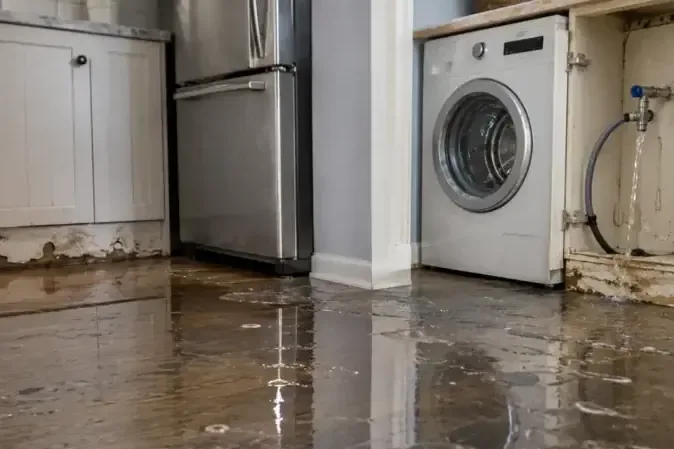 Appliance and Supply Hose LeaksA burst washer hose, dishwasher drain, fridge line or toilet supply: water lifted from under cabinets and out of the subfloor.Scope and steps
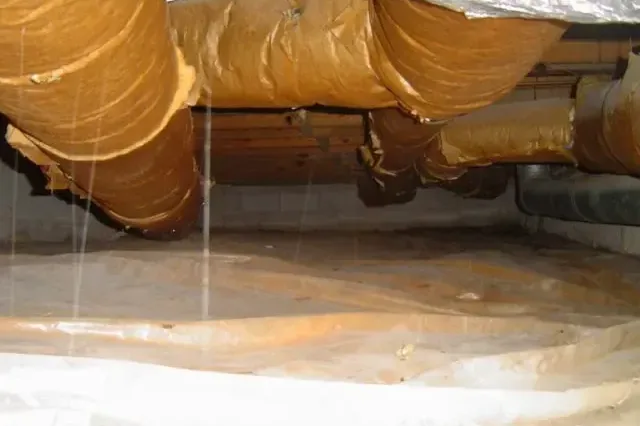 AC Condensate Overflow CleanupFull condensate pans and blocked drains on attic units dripping through ceilings while the system runs through the summer heat.Scope and steps
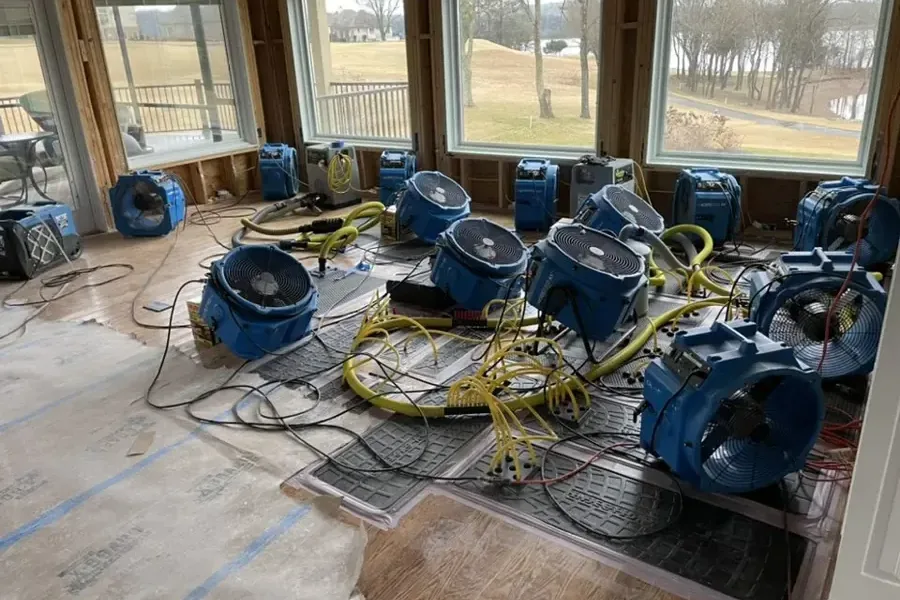
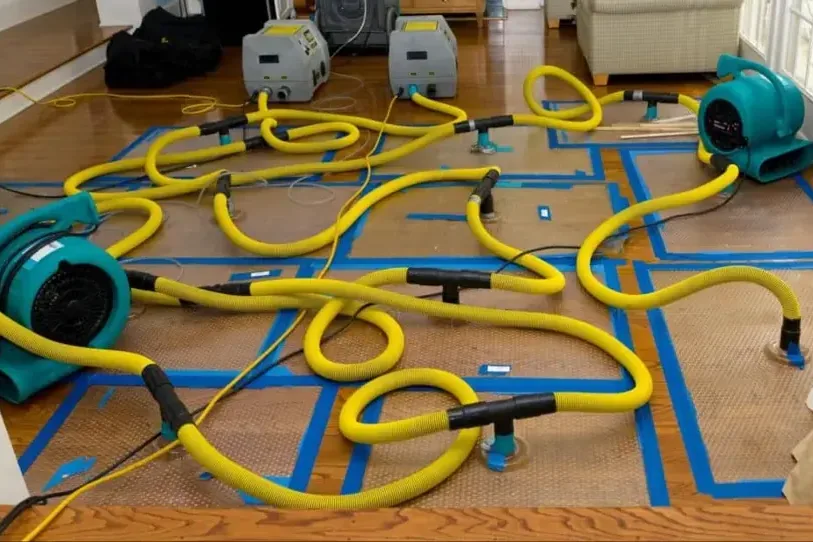 Structural Drying and DehumidificationStuds, subfloor, wallboard and concrete brought back to normal moisture against a reading from dry material, checked every day.Scope and steps
 Commercial Water DamageOffices, shops, clinics and school buildings dried in zones so dry areas can keep running where readings allow.Scope and steps
Why Pomona homeowners want drying done by readings
Dry is a number, not a feeling. The restoration team takes a reading from dry material, maps every wet area and runs equipment until the wet readings come down to match.
Urgent dispatch, any hour
Running water gets treated as urgent day or night, weekends and holidays too, because swelling and wicking begin right away. 24/7 dispatch sends whichever crew is closest.
Drying to S500
The count of fans and low-grain dehumidifiers follows the class of loss, and nothing gets switched off until wet materials come within 2 to 4 points of dry.
A file the adjuster can follow
Readings by room, a humidity and temperature log for each day and dated photos from before any tear-out all land in one record the adjuster can check.
Ready for a long dry season
Months with almost no rain, then the first winter storms, plus long summer cooling runs, set the pattern for water damage in this part of the valley.
First moves when water shows up in the house
- Shut off the water. Close the valve under the failed fixture or the main shutoff, which is often near the front hose bib or in the garage.
- Turn off power to wet rooms. Flip breakers for rooms where water reaches outlets, cords or appliances, and stay out from under a sagging ceiling.
- Take photos first. Photograph each wet room, the source and damaged belongings, close up and wide, before anything gets moved.
- Get belongings off the floor. Lift rugs, papers, electronics and small furniture out of the water, and set foil or blocks under heavy legs.
- Call for extraction. Soaked pad and standing water need real extraction and measured drying; box fans alone leave water working into the walls.
Four steps from the first reading to dry
The S500 standard from the IICRC is the rulebook restoration crews work to. It explains how to sort the water, how much equipment a room needs and what reading means finished, so no one has to guess.
Inspect and map
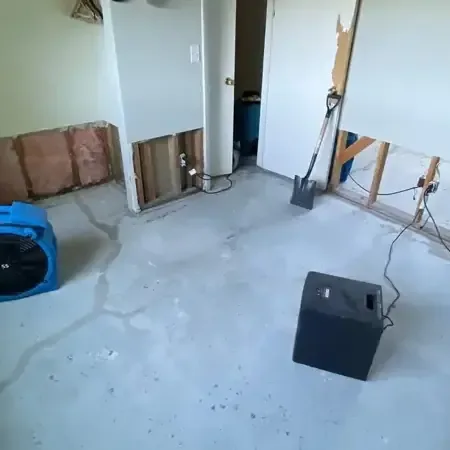
First the response team stops the source, reads a dry wall or floor for comparison and checks wet areas with meters and a thermal camera, including slab edges.
Extract
Next the extraction crew removes pooled water with truck units in large rooms and portable machines upstairs, carpet and pad first.
Dry and record
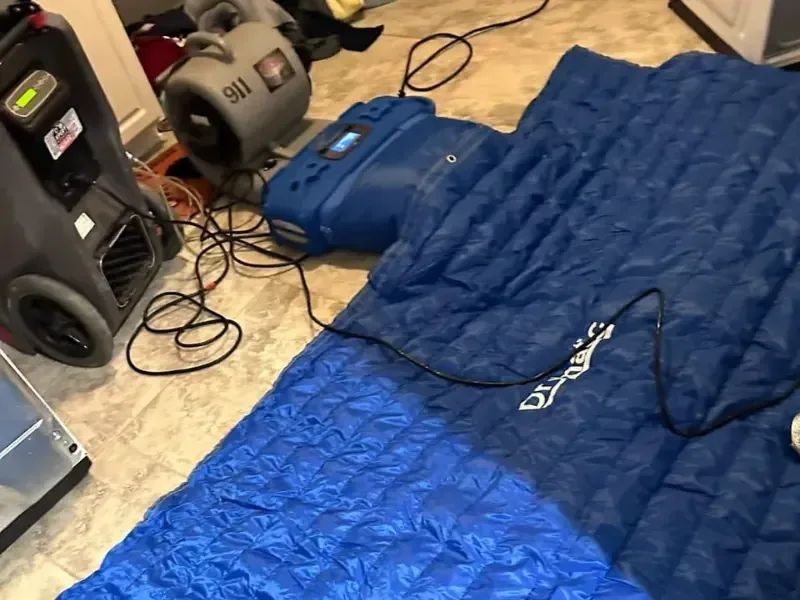
The drying team then places fans and low-grain dehumidifiers for the class of loss and writes down temperature, humidity and material readings on each visit.
Confirm and hand over
Last, equipment is pulled once wet materials match the dry reading within 2 to 4 points, and the record goes to the owner and the adjuster.
Clean, gray and black water and what each one means
Clean water from pressurized pipes
Category 1 starts out sanitary: a supply pipe, a slab leak or a water heater. Reached early, most wet materials get dried where they are.
Drying a pipe leak, step by stepGray water from appliances
Category 2 holds soap, food scraps or other matter, as from a washer drain, a dishwasher or a full AC pan. Soaked pad is normally thrown out.
Appliance leak cleanup in detailBlack water from sewage and storms
Category 3 covers sewage and outside storm water. Anything porous it touched is cut out and bagged, and hard surfaces are sanitized before drying.
Inside a sewage cleanupWhat does water damage restoration cost in Pomona, CA?
A small clean-water job can start near $500, while sewage or a whole floor of wet rooms can pass $25,000. What sets the price is the type of water, how many square feet got wet, what the materials are and how soon drying began.
Small clean-water loss
- A closet or a single room
- Water removed, materials left in place
- Clean supply water, reached quickly
Room-sized or slab leak
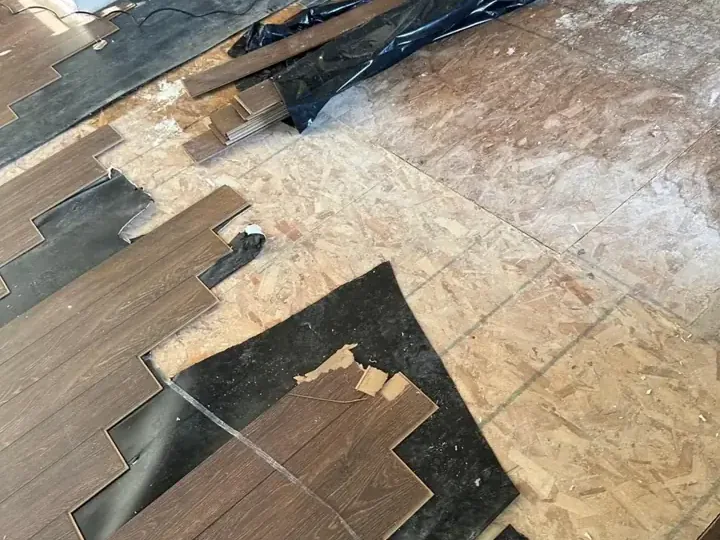
- Two or more rooms, or lifted flooring
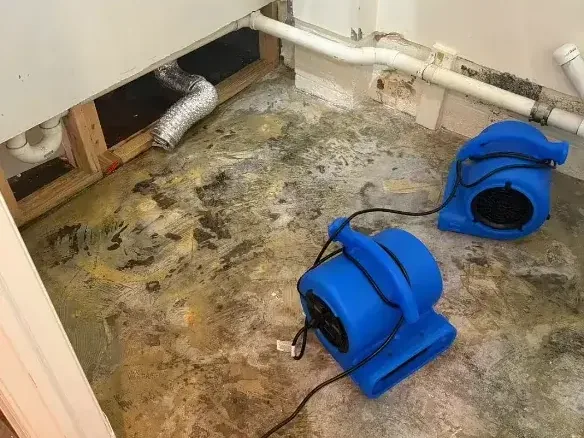
- Base trim off and wall bottoms vented
- Clean or gray water
Whole floor or sewage
- Black water or outside storm water
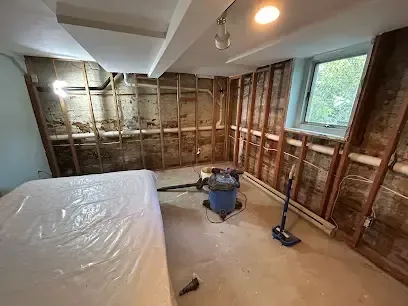
- Carpet, pad and drywall cut out
- Sealed work area and sanitizing
What moves the number
Treat these as typical figures, not a quote. The actual scope comes from the walkthrough and the moisture map, and every line is gone over with you first. A slow start is what raises the bill most.
For a range built from your own answers, try the water damage cost calculator.
What the claim file contains
Claims move on records. The mitigation team builds the file during the work itself, so the adjuster can see what got wet, how wet it was and what was done about it.
- A moisture map of each affected room
- Daily psychrometric logs for temperature and humidity
- Timestamped photos from before any demolition
- The water category and the class of loss
- A line-item scope listing the work performed
Read your own policy
Water that arrives suddenly by accident, say from a split washer hose or a tank that let go, is commonly covered under a homeowner policy. Gradual leaks and worn parts tend to fall under different rules.
Storm water that flows in from outside generally needs its own flood policy. Renters carry separate policy terms as well, so check the actual wording or talk to your agent first.
How a structural dry-out looks while it runs
Covering Pomona from Phillips Ranch to Downtown
ZIP codes
One dispatch for the historic core and the hills
All three ZIP codes are covered, from Downtown, the Arts District and the Lincoln Park Historic District out to the hillside streets of Phillips Ranch and Spadra.
Crews also work the communities next door, Walnut and Diamond Bar among them, with the same water removal, drying and sewage work.
Pomona, CA · [email protected]
See every city and neighborhood covered ›
(888) 563-9619Give the dispatcher your cross street nowNeighborhoods and landmarks
Nearby areas
What drives water damage in Pomona homes
As the most populous city in the San Gabriel Valley, the city mixes the historic core around Downtown and Lincoln Park with hillside Phillips Ranch. Climate, heat and busy households shape most water losses.
February and January February averages 4.15 inches of rain and January 2.91, most of the 14.47 inches Pomona sees in a year, after a summer with almost none.
Storms after a long dry spell
Almost no rain falls from June through September, then the winter storms arrive. The first heavy rain tests roofs, gutters and door thresholds that sat dry for months.
Runoff on hillside lots
Phillips Ranch grew on hilly ground between Downtown and Diamond Bar from the 1980s on. During long rain, slopes above homes send water toward patios, garages and back doors, the work described under storm cleanup.
Summer heat and AC overflow
July highs average 90.3 degrees F and the record high is 117 degrees F. Air conditioners run hard, and a clogged condensate drain, covered under AC condensate overflow, can drip through a ceiling unnoticed.
Busy households, busy appliances
Households here average 3.51 people, so washers, dishwashers and refrigerator lines get heavy use. One burst supply hose can flood a kitchen or laundry room fast.
Renters and owners sharing a leak
About 47.0% of occupied homes are rented. A leak in a rental needs the source found quickly and a clear record that both the tenant and the landlord can use.
Water damage questions from Pomona residents
Water still moving through the house?
Leave the questions for later. Close the main if you safely can, keep well away from any wet outlet and get the crew moving.
(888) 563-9619 Walk me through the next stepHow quickly can a crew reach a home with active water?
Running water is handled as an emergency at any time of day. 24/7 dispatch picks the closest free crew and sends it with pumps, fans and meters. Real arrival depends on traffic and work already underway, so you hear an honest estimate before hanging up.
What can I do while the extraction crew is on the way?
Turn off the water at the fixture or the main, kill the breakers in wet rooms and take pictures before touching anything. Raise rugs, documents and devices above the water. A regular household vacuum is not made for water, so leave it in the closet.
Does homeowners insurance cover water damage?
Many policies cover water that arrives suddenly by accident, like a burst washer hose or a tank that let go. Water flowing in from a storm usually falls under flood coverage, and gradual leaks follow other rules. Your own policy decides; the record from the job supports the claim.
Who deals with a leak in a rented home?
Tenants should tell the landlord or property manager right away and photograph the damage. The restoration team dries the structure and builds one record that both the owner and the tenant can share with their insurers. Leaks under the floor are covered on the Pomona slab leak page.
How long does it take to dry a house after a leak?
Small and medium losses that get attention fast often finish in three to five days. Concrete, hardwood, plaster or water left sitting stretch that out. The fans and dehumidifiers stay until wet materials match the dry comparison reading.
What does the IICRC S500 standard cover?
It is the published rulebook for professional water damage work. It sorts water into three categories and losses into four classes, says how much equipment each situation needs and requires meter readings, not a hand on the wall, to call a room dry.
When is drywall cut out instead of dried?
Wallboard is removed when black water touched it, when moisture climbed high up the wall or when the readings will not come down. After a clean leak that is caught fast, small holes drilled behind the base trim usually let it dry where it hangs.
Why does a sewage backup need different handling than a pipe leak?
Sewage counts as black water the moment it appears. The crew suits up, seals off the area and cuts out porous materials slightly above the highest wet mark. Hard surfaces get an EPA-registered antimicrobial that stays wet for its labeled contact time before any drying.
How is the price of a water damage job worked out?
Everything starts with the walkthrough: what kind of water, how many square feet, which materials and how long it sat. Each task becomes its own line, so water removal, days of equipment, tear-out and sanitizing are each shown with a price.
Can winter storm water get into a house on a sloped lot?
It can. When long rain saturates the yard, water heads for the low side of the house and slips under garage doors and thresholds. Water from outside is black water, so soaked carpet, pad and the bottom of the drywall come out.
Water in a room where it does not belong? Get it measured and dried.
Extraction, structural drying and a file the adjuster can use, at any hour, for homes and businesses across the city.
(888) 563-9619Set up my moisture walkthrough