Water Damage Restoration in Chino Hills
A split pipe, a failed water heater or storm runoff in a garage can soak drywall and flooring fast. The restoration team stops the source, extracts the water, then dries the structure.
(888) 563-9619Call about pipe, tank or storm waterAt any hour, the response team starts with two questions: where the water came from and where it spread.
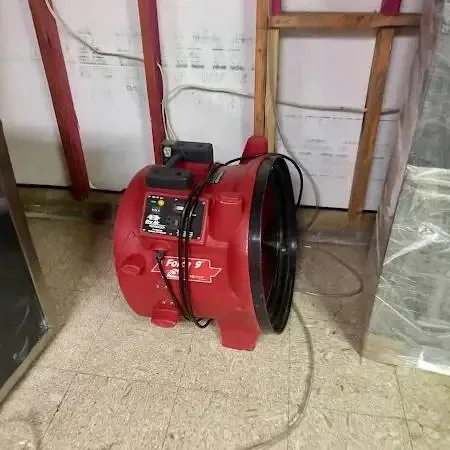
Water services for homes and businesses in Chino Hills
The cause of the water decides the work: a broken pipe, a sewer backup and a leaking roof each need a different first step.
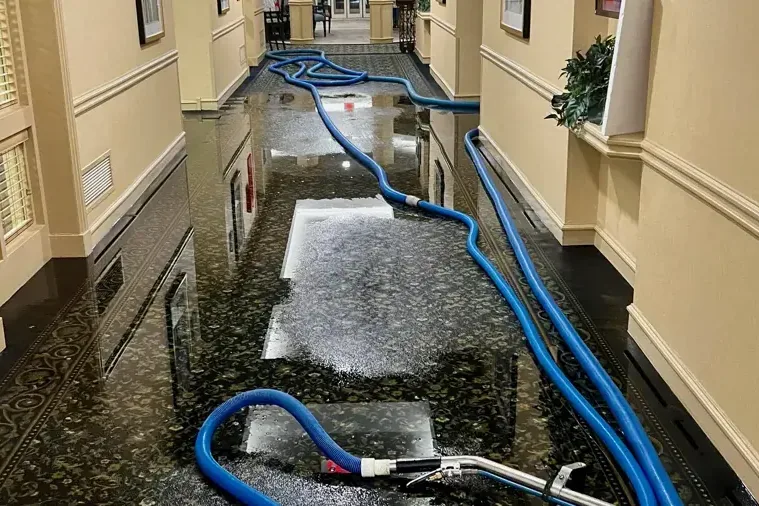 Water Extraction and RemovalPumps and wet vacuums pull standing water out of carpet, pad and floors before it wicks into the walls.Scope and steps
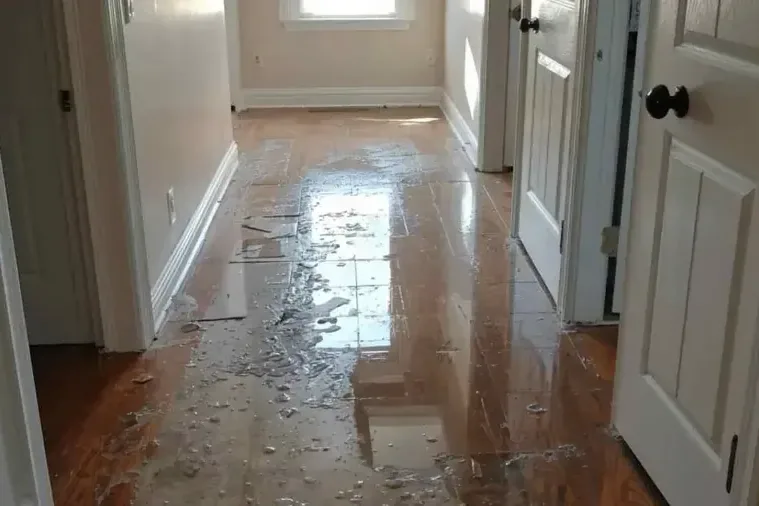 Slab Leak Water DamageA slab leak is traced, flooring is lifted where needed, and the wet materials above the slab are dried.Scope and steps
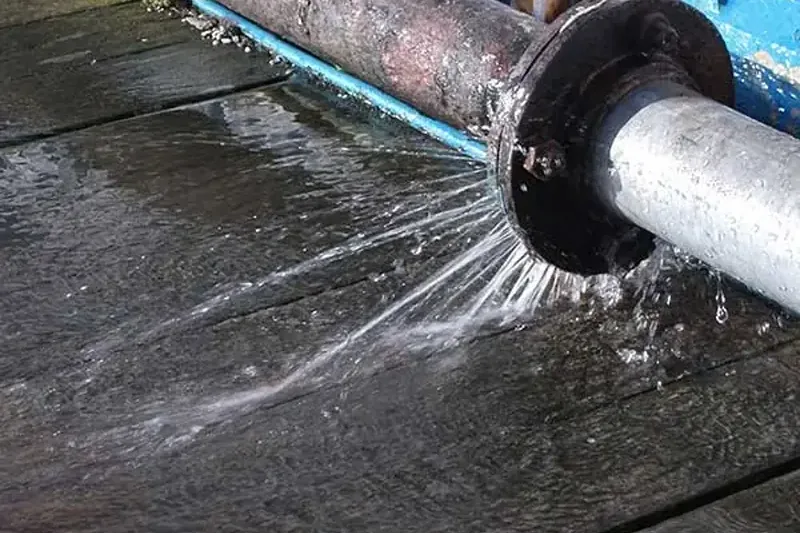 Burst and Pinhole Pipe LeaksA burst or pinhole pipe is opened up, the water extracted, and each wet wall cavity dried.Scope and steps
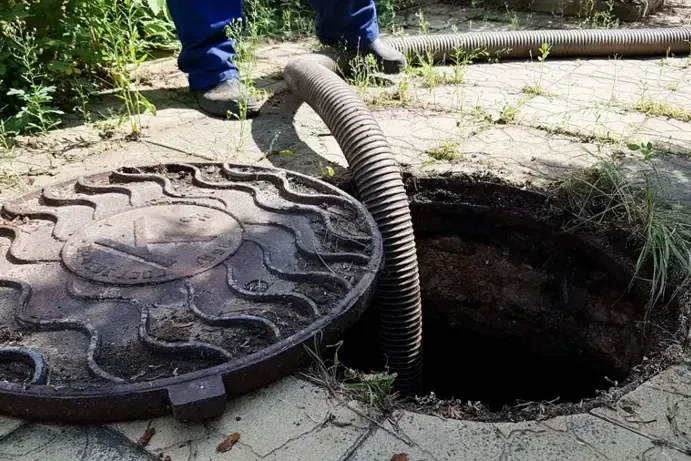 Sewage Backup CleanupA sewage backup counts as Category 3 contamination, so affected materials are removed, cleaned and disinfected.Scope and steps
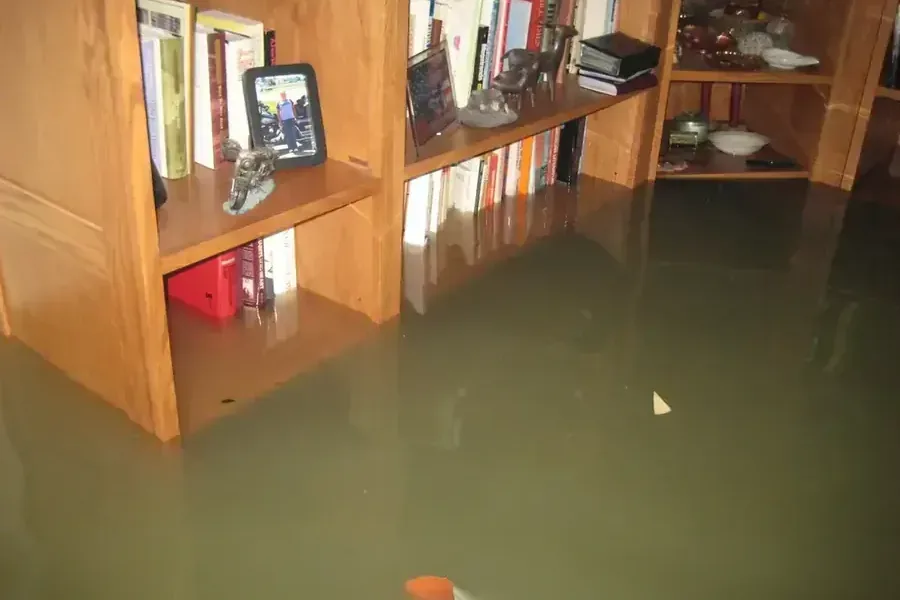 Winter Storm and Hillside Runoff CleanupRunoff that reaches a garage or room is pulled out with the mud, then the space is dried.Scope and steps
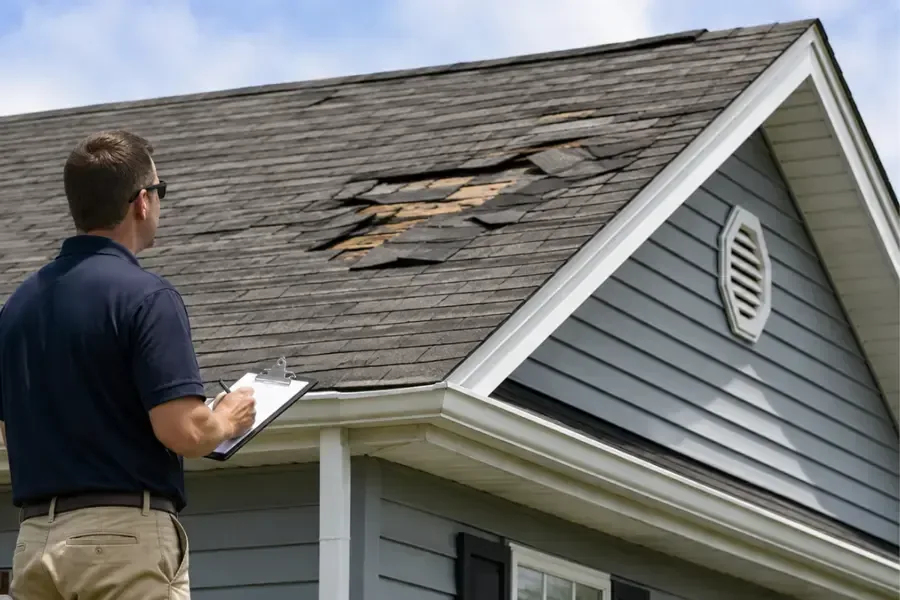 Roof Leak Water DamageHeavy rain shows up as stained ceilings and wet attic insulation, which is bagged out before drying.Scope and steps
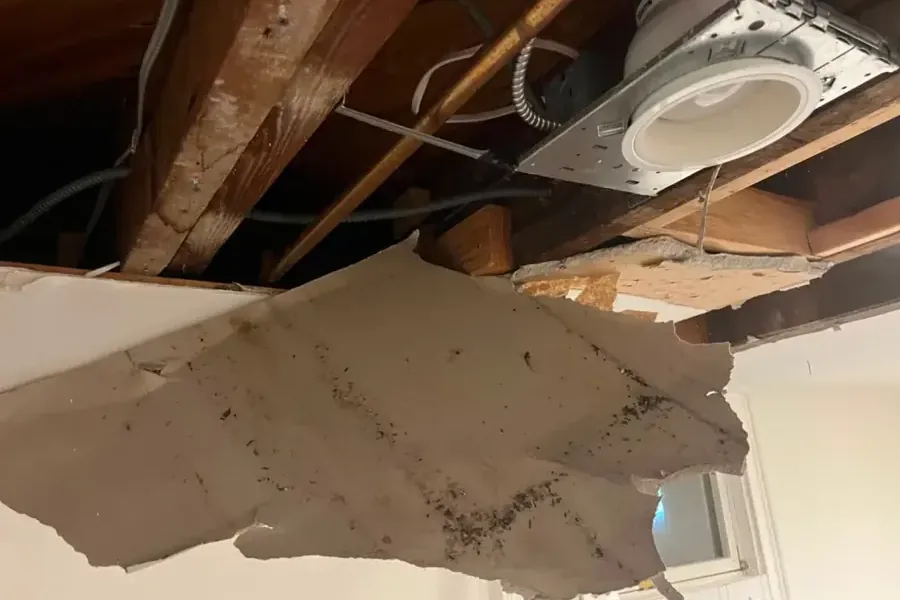 Ceiling Leak Water DamageThe source above is found first, then wet drywall and insulation are dried or cut out.Scope and steps
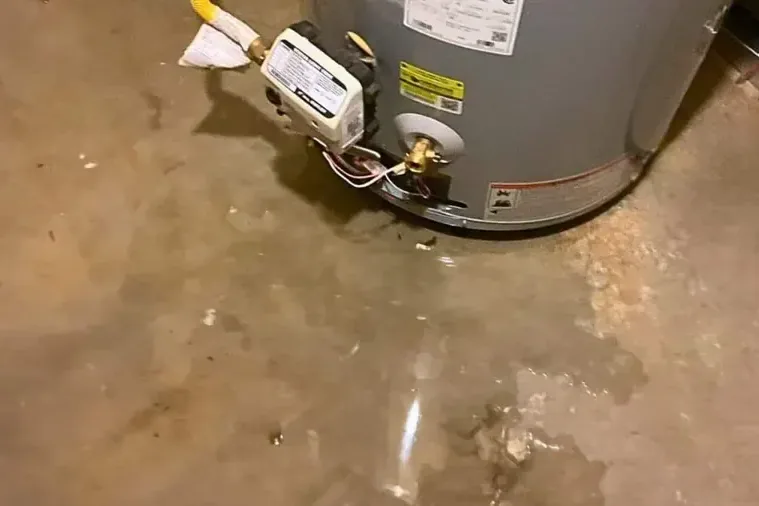 Water Heater Leak CleanupA leaking tank is shut off, the water is extracted, and the wall and flooring around it are dried.Scope and steps
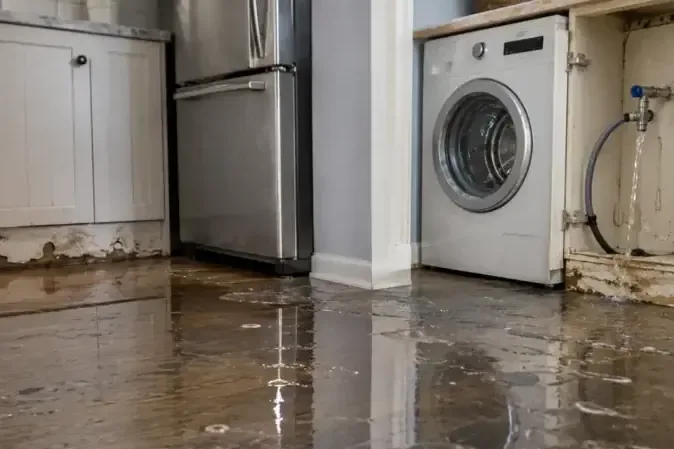 Appliance and Supply Hose LeaksA failed dishwasher, washer or refrigerator hose is stopped, then the floor and cabinets are extracted and dried.Scope and steps
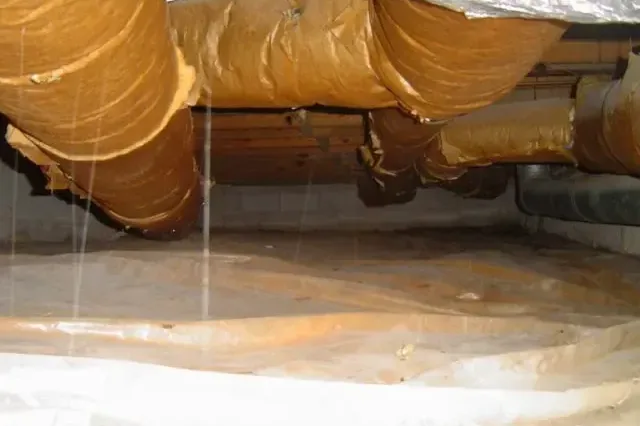 AC Condensate Overflow CleanupA clogged condensate drain or pan can drip into ceilings and walls, so the area is dried and checked.Scope and steps
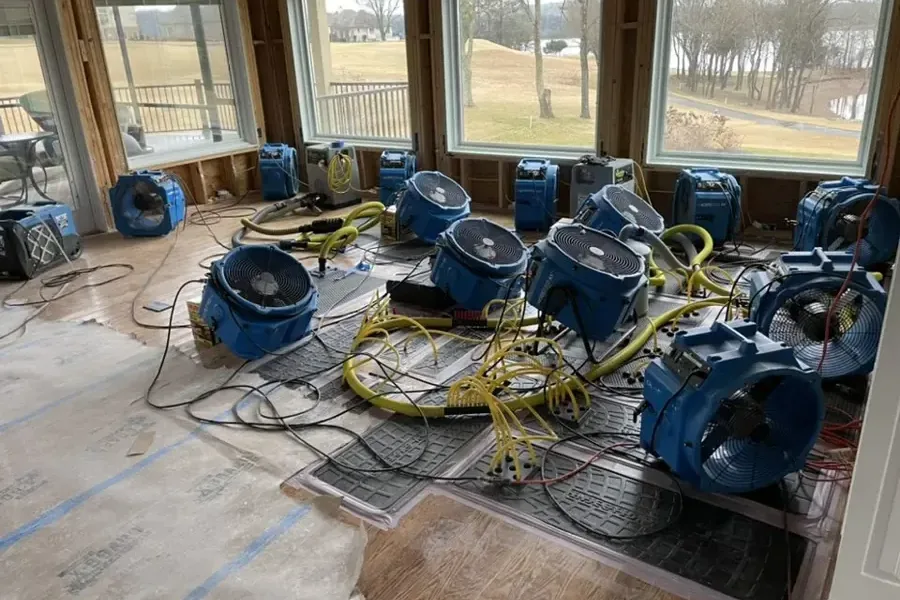
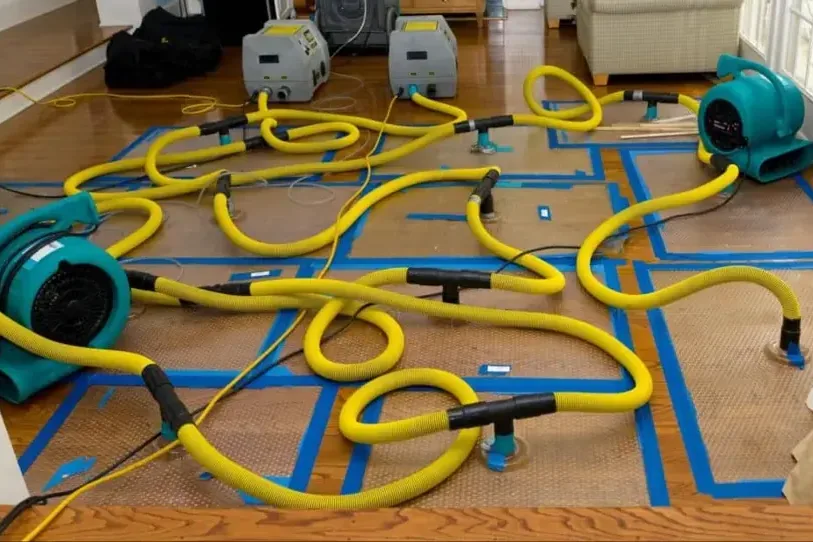 Structural Drying and DehumidificationMoisture is measured, drying equipment is set, and the structure is monitored until readings confirm it is dry.Scope and steps
 Commercial Water DamageA business loss is dried in stages, so offices and shops can stay open where the work allows.Scope and steps
Water damage work built around measurement
Wet materials can start growing mold within 24 to 48 hours, so extraction and drying start early and follow measured readings instead of a fixed schedule.
Works across the city
Homes in Los Serranos, Butterfield Ranch and Rolling Ridge get the same documented process as any other address.
Plain written records
Moisture readings, photos and equipment logs are kept for each job, which gives the insurer a clear view of what was wet and what was done.
Water and sewage focus
The work stays on water and sewage losses, from a pinhole leak to a flooded floor, so each step follows a set routine.
Answers in plain terms
The crew explains what is wet, what stays and what comes out, so the homeowner can make decisions before work begins.
What to do while the water is still spreading
- Stop the source. Shut the main water valve or the fixture valve if it can be reached safely, and keep power off in wet rooms.
- Call for help. Call the restoration team early, because wet drywall and flooring keep absorbing water until it is extracted.
- Lift small items. Move rugs, small furniture and electronics out of the wet area, and set wet cushions and books aside.
- Photograph the damage. Take photos of the water, the source and every damaged item before anything is moved, for the insurance file.
- Leave drying to the team. Household fans move air across a surface, but only drying equipment reaches wall cavities and subfloors.
A drying job measured from start to finish
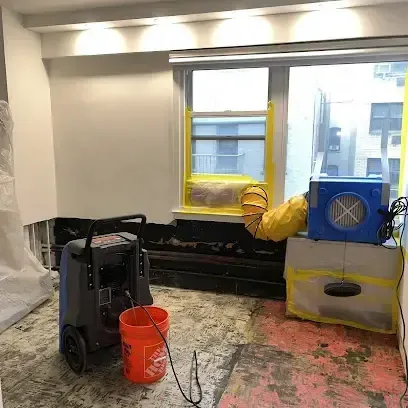
The crew documents moisture readings on day one, sets equipment to match the wet area, and returns to check progress, so drying ends on measured numbers instead of guesses.
Inspect and map
The team traces the source, scans walls and floors with a moisture meter, and marks the wet zone before any equipment goes down.
Extract
Pumps and wet vacuums remove standing water, and soaked pad or damaged material is pulled out so it cannot keep feeding moisture.
Dry the structure
Air movers and dehumidifiers run on a layout built from the readings, with cavities opened where moisture is trapped.
Verify and close out
Final readings are compared with unaffected rooms, equipment comes out, and the written record goes to the homeowner for the insurer.
Where local water damage usually starts
Pipes and fixtures
The city grew fast through the 1980s and 1990s, so plumbing in many homes has decades of service behind it, and burst or pinhole leaks can start inside walls.
Burst pipe cleanupStorms and roofs
Hard rain can push runoff toward garages and entries, and roof leaks stain ceilings after a storm, so water can arrive from outside as well as from plumbing.
Storm runoff cleanupSewer and drain backups
The city provides sewer service, and a backup inside a home is treated as Category 3 water that needs removal, cleaning and disinfecting.
Sewage backup cleanupWhat water damage restoration usually costs
Cost follows how much water there is, how far it spread and how long materials stayed wet. A small clean water loss costs far less than sewage across a whole floor, and the ranges below show the typical spread.
Small clean water loss
- Contained to one area
- Extraction and a short drying run
- Carpet or baseboards wet
Room sized or slab leak
- Flooring lifted in places
- Drying across a few days
- Wall cavities opened
Whole floor or sewage
- Water across a whole floor
- Sewage contamination possible
- Materials removed, then dried
What moves the number
Final price depends on the readings taken on site, so a written estimate comes after the team sees the damage. Insurance may cover sudden losses, though the policy decides.
For a range built from your own answers, try the water damage cost calculator.
Documenting a loss for the insurer
Most homeowner policies respond to sudden water events like a burst pipe, though not to long term seepage, so the record of what happened and when matters.
- Photos of the water source and damage
- Dated moisture readings for each wet room
- A room by room list of damaged contents
- Receipts for emergency repairs and equipment
- The written drying record from the crew
What owners can do first
Owners can start the claim file themselves: photograph everything, keep damaged items until the adjuster has seen them, and save every receipt.
About 80.3 percent of occupied homes in the 2010 Census were owner occupied, and the other 19.7 percent were rented, so tenants and landlords may both need records.
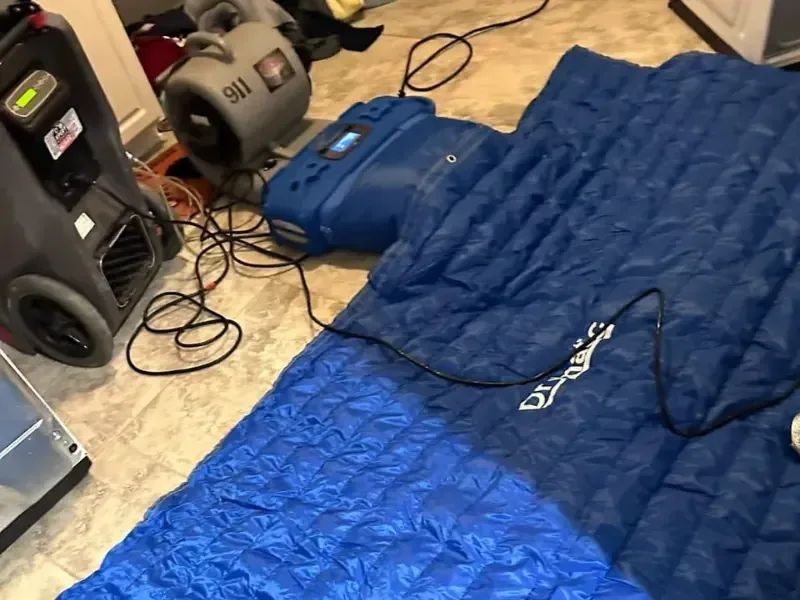
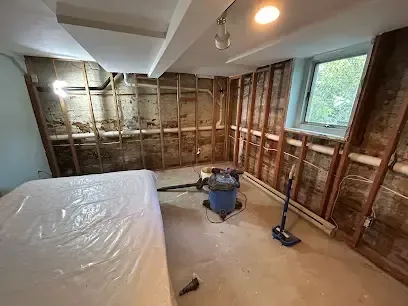
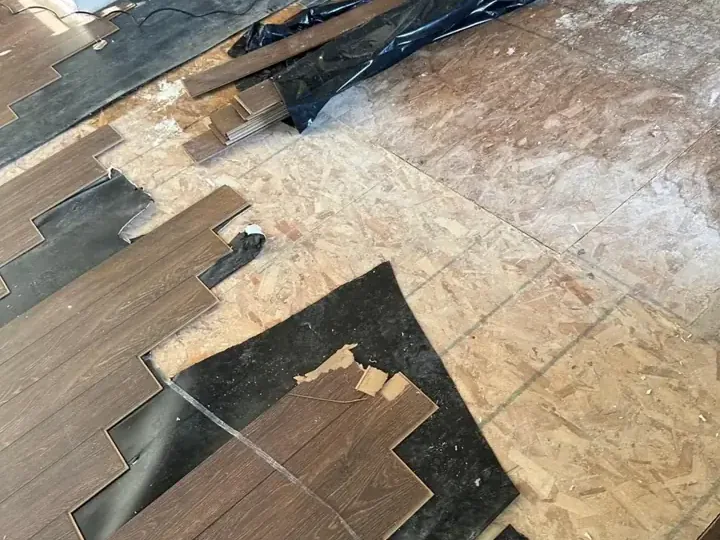
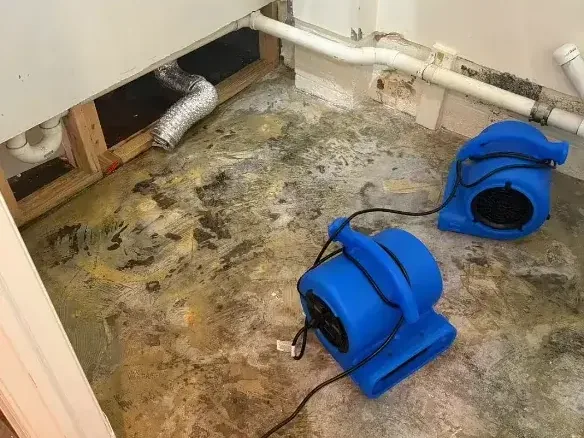
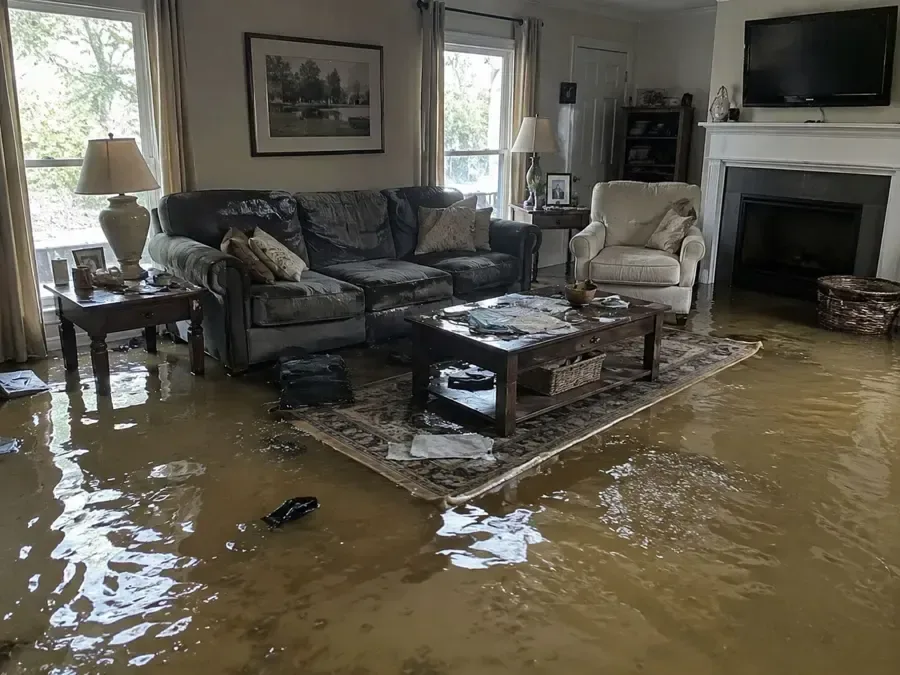
Equipment, open walls and bare subfloors
Water damage restoration across the whole city
ZIP code
Water damage response across Chino Hills
The restoration team covers the whole city, including Los Serranos, Carbon Canyon, Vellano, Butterfield Ranch, Rolling Ridge and Woodview, and every street in ZIP 91709.
Pomona and Diamond Bar border the city, and each nearby town listed has its own page with local detail.
Chino Hills, CA · [email protected]
Browse each water damage service ›
(888) 563-9619Call about water anywhere in townNeighborhoods and roads
Nearby towns
What puts local homes at risk
Chino Hills grew from a largely rural area into a city of 78,411 people by the 2020 Census, and growth in the 1980s and 1990s means plumbing in many homes has decades of service.
March 17, 2019 A 16-inch water main broke on Rancho Hills Drive, buckled the street in several places and filled several streets with water; residents were told to shelter in place.
Plumbing that has seen decades
Fittings, valves and hoses wear out over time, and a pinhole or burst leak inside a wall can run unnoticed until a stain, a musty smell or a soft floor shows it.
Hillside rain runoff
With rolling hills across much of the city, heavy rain can send runoff toward garages and entries, so pulling water and mud out of rooms is a regular part of local storm work.
Water heaters and appliances
Tank water heaters and washing machine hoses fail without much warning, and a closet or laundry room leak can reach carpet and wall bases before anyone notices, so a damp floor is worth a look.
Sewer and drain backups
A backup that comes up through a floor drain or tub carries sewage, so porous materials are removed, hard surfaces are cleaned and disinfected, and the area is dried afterward.
Roof and ceiling leaks
After a hard storm, water can enter at a roof edge and travel along framing before a ceiling stain appears far from the actual opening, so the whole path gets checked.
Common water damage questions
Water in the house right now?
Describe the source and the wet rooms to the restoration team, and the work starts with extraction and moisture readings.
(888) 563-9619 Start with the drying crewHow soon should water damage restoration begin?
As soon as the source is stopped. Wet drywall, carpet pad and wood deteriorate quickly, and mold can begin to grow within 24 to 48 hours, so extraction and drying should not wait for an adjuster. Waiting lets moisture travel into framing and subfloors.
How does water extraction work?
Pumps and wet vacuums remove standing water, then extraction wands work carpet and pad. Soaked pad is usually cut out and discarded, while carpet and hard flooring are checked for drying in place.
Does insurance cover a burst pipe?
Many homeowner policies cover sudden pipe bursts but not slow seepage that went unnoticed for months. The policy wording and the adjuster decide, so the crew documents the loss with photos and readings.
What can a homeowner do while waiting for help?
Shut off the water at the main or fixture, switch off power to wet areas, lift small items out of the water and photograph everything. Wading through standing water near outlets should be avoided.
How long does structural drying take?
It depends on the materials and how much water soaked in, and the team keeps drying until readings in the wet areas match unaffected ones. Daily checks decide when equipment can come out.
Is a sewage backup different from a clean water leak?
Yes. Sewage is Category 3 water that carries bacteria, so porous materials are removed rather than dried, and hard surfaces are cleaned and disinfected. Clean water from a supply pipe is a different, lower risk job.
Do restoration crews work on businesses too?
Yes. Shops, offices and restaurants can have water losses, and the crew dries them in stages so part of the space can keep operating when the damage allows. Staging also keeps equipment out of customer areas.
What happens if a water heater leaks in a garage?
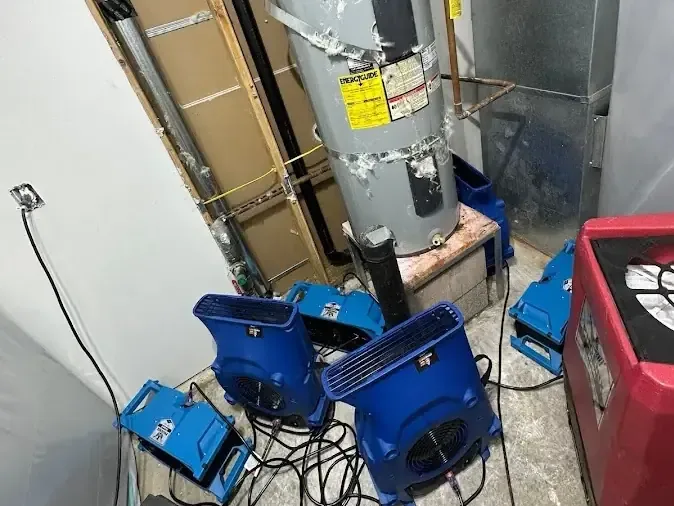
The tank is shut off, the water is extracted, and the wall, drywall base and flooring near it are dried. Electric and gas connections should be checked by the right trade before the heater is restarted.
Can wet carpet be saved?
Carpet wet from a clean supply pipe is often salvageable when extraction starts early, while carpet and pad that sat in sewage or long standing water are removed. Moisture readings decide which case applies.
Who provides water and sewer service in the city?
The City of Chino Hills provides both water and sewer service to residents on a single utility bill, and a break in a street main is reported to the city. A leak or backup inside the house is what the restoration team cleans up.
Water in a house or shop costs less to fix when extraction starts early
Describe what happened and which rooms are wet, and the restoration team will lay out the first steps.
(888) 563-9619Call about a wet floor