Water Damage Restoration in Montclair
When a pipe bursts, a drain backs up or a roof lets rain in, the restoration team removes the water, dries what it soaked and tracks moisture until the structure reads dry.
(888) 563-9619Report a wet floor or ceilingWater and sewage losses only. The crew finds the source, extracts, dries and records moisture readings for the claim.
Twelve water damage services for homes and businesses
Each service below covers a different way water gets into a building, from a pipe failing inside a wall to rain coming through a roof.
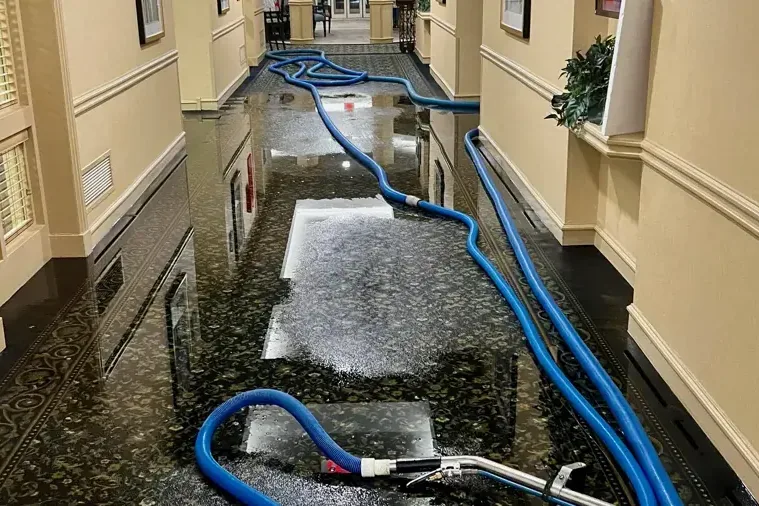 Water Extraction and RemovalPumps and wet vacuums pull standing water from floors and carpet before it climbs walls or sinks into subfloors.Scope and steps
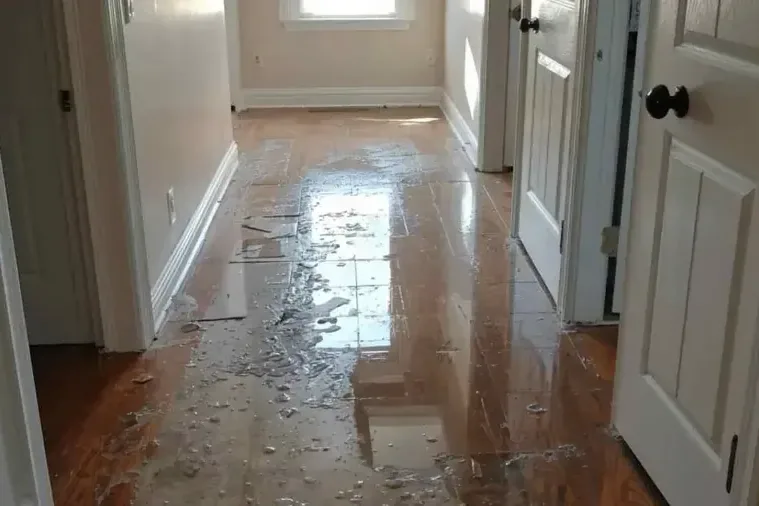 Slab Leak Water DamageLeak detection pinpoints a leak under a concrete floor, then wet flooring is dried before anything gets rebuilt.Scope and steps
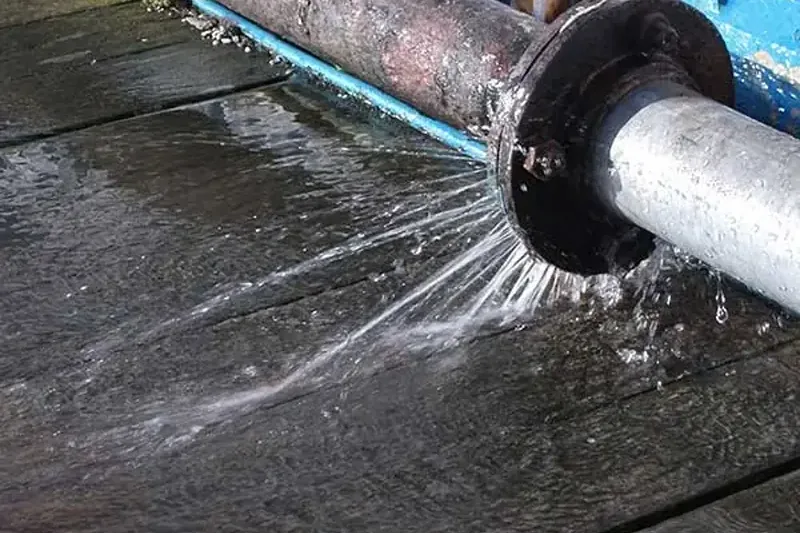 Burst and Pinhole Pipe LeaksA split or pinhole pipe soaks cabinets and walls fast, so the crew extracts and dries the wet cavity.Scope and steps
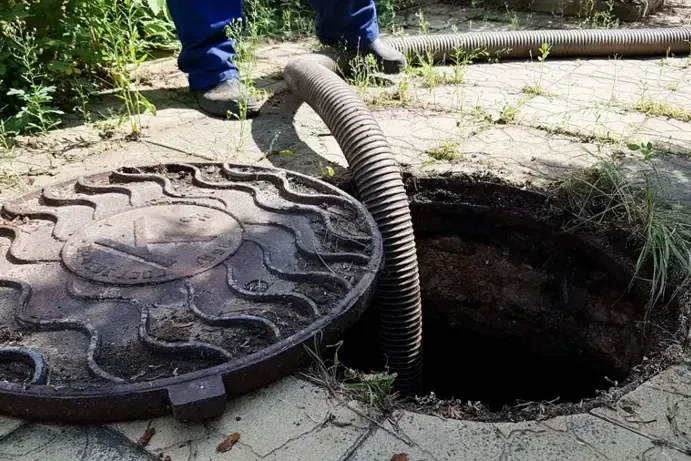 Sewage Backup CleanupSewage backups call for protective gear, careful removal of contaminated material and cleaning of every surface the water touched.Scope and steps
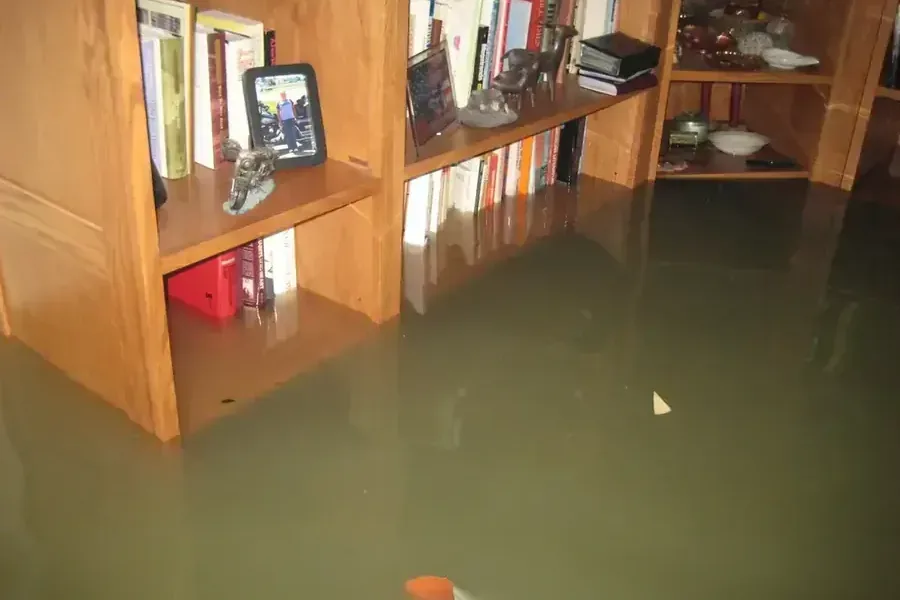 Winter Storm and Hillside Runoff CleanupRainwater that reaches a garage, entry or living area is pumped out, then wet materials are dried and checked.Scope and steps
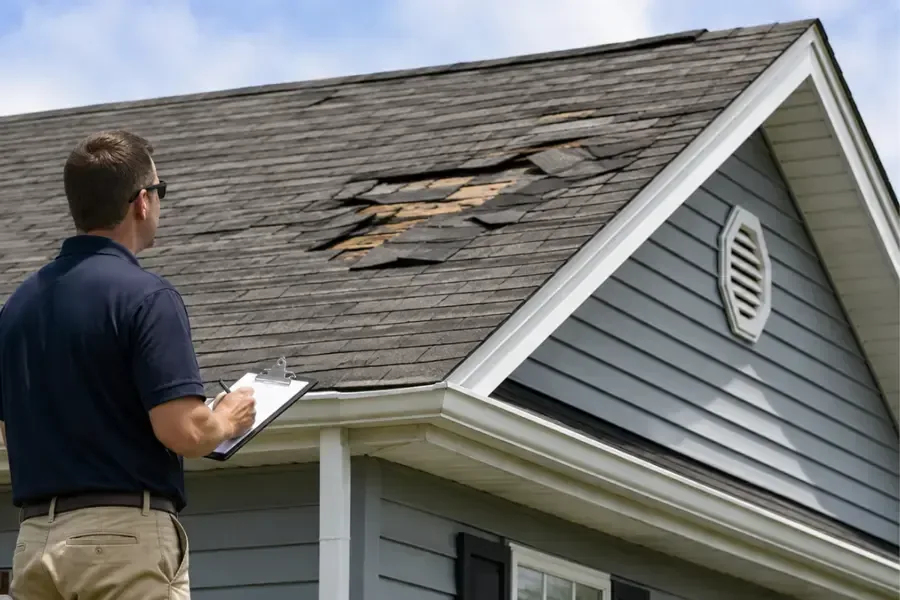 Roof Leak Water DamageRain that gets through a roof wets attic insulation, ceilings and walls, and each layer is dried and checked.Scope and steps
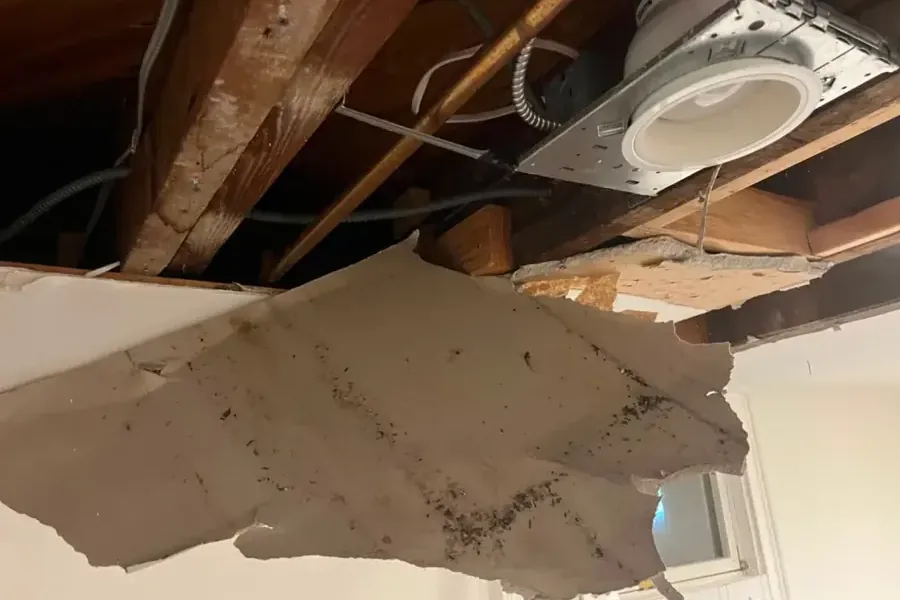 Ceiling Leak Water DamageA wet or sagging ceiling is dried and tested, whether the water came from a roof or a pipe above.Scope and steps
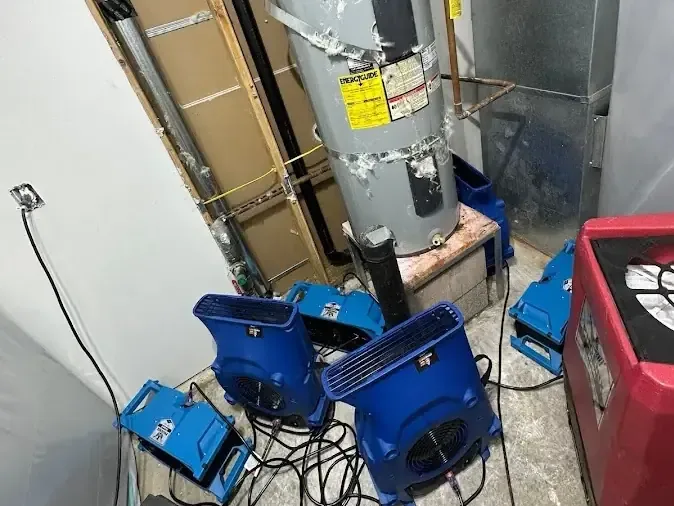
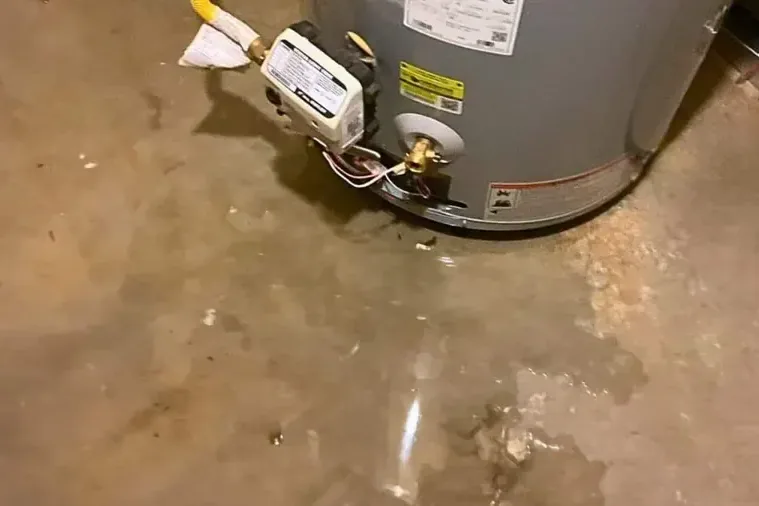 Water Heater Leak CleanupA failed tank floods the closet or garage around it, and the crew extracts and dries what got wet.Scope and steps
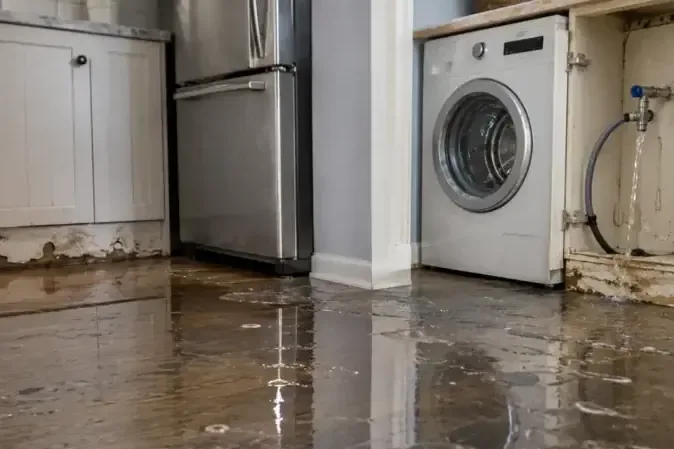 Appliance and Supply Hose LeaksA washer, dishwasher or refrigerator supply hose that fails can soak a kitchen or laundry floor and spread beyond it.Scope and steps
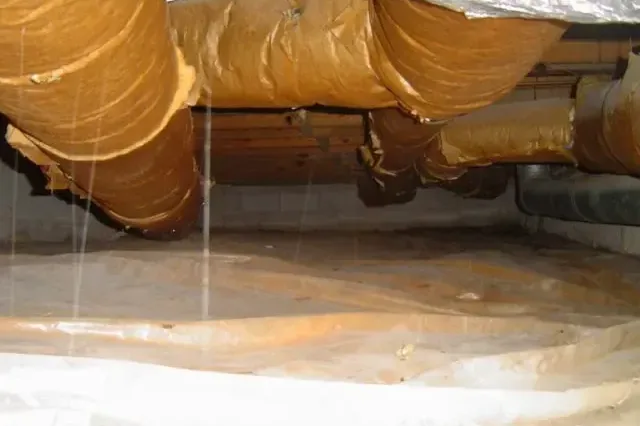 AC Condensate Overflow CleanupA clogged condensate drain lets an air conditioner overflow into ceilings and walls, so the area is dried.Scope and steps
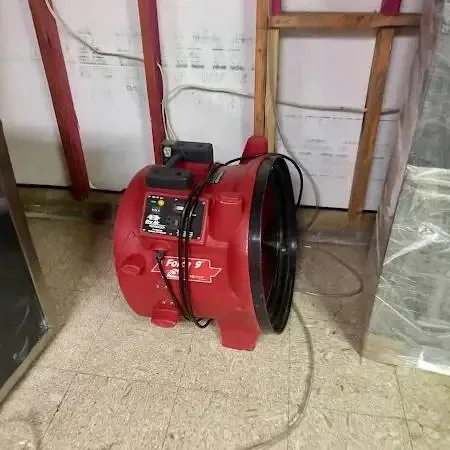
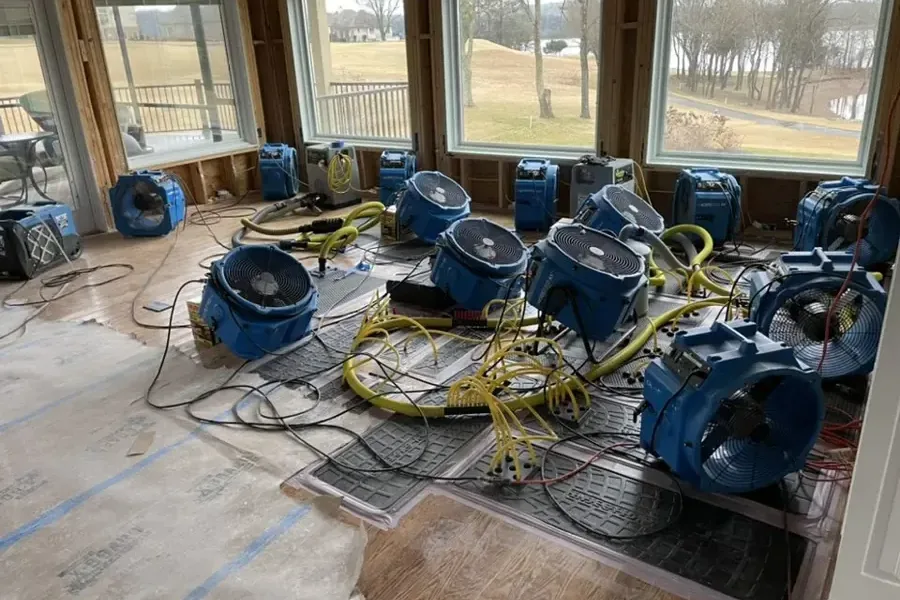
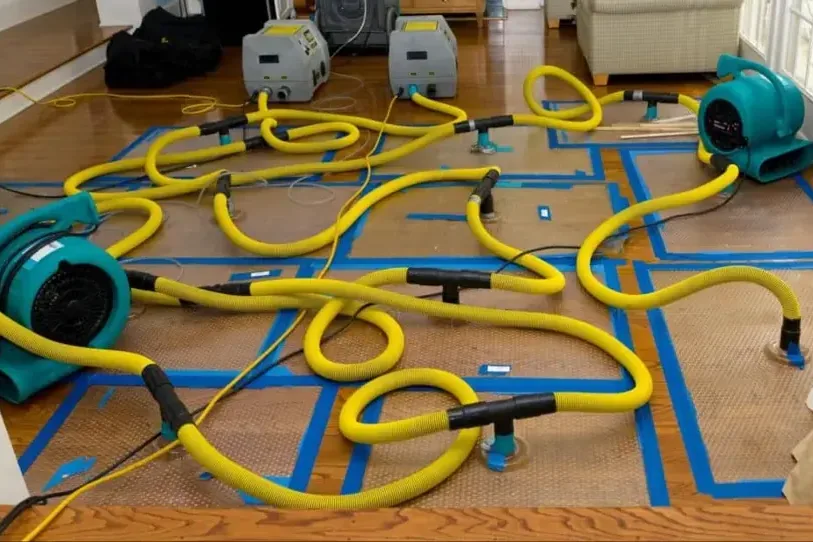 Structural Drying and DehumidificationAir movers and dehumidifiers dry walls, floors and framing while moisture meters show when each material reaches normal levels.Scope and steps
 Commercial Water DamageShops, restaurants, offices and schools lose business when water sits, so the crew works to limit downtime.Scope and steps
Careful water work for homes and rentals
Water damage in a city of 37,865 people ranges from one wet cabinet to a flooded retail unit, and each job gets a plan matched to what the meters show.
Source found first
The crew traces where the water started before extraction begins, because drying a floor while a pipe still leaks only repeats the loss.
Moisture is measured
Meters read walls, floors and framing, so drying ends when readings return to normal levels, not when surfaces simply look dry.
Owners, tenants and managers
With 45.2% of occupied homes rented, many losses involve a tenant, an owner and a property manager, so the notes are kept clear for each.
Records for the claim
Photos, moisture logs and equipment records are saved during the job, which gives an adjuster the details behind each item in the estimate.
Five moves that limit the damage
- Shut off the water. Close the fixture valve or the home's main shutoff. Trouble in the street or at a hydrant belongs with the Monte Vista Water District.
- Mind the electricity. Water near outlets, panels or light fixtures is a shock risk, so power stays off in the wet area.
- Photograph everything. Take photos and video of the wet areas, damaged belongings and the source before anything is moved, since adjusters ask for them.
- Move small items out. Lift rugs, electronics and furniture off wet floors and set them somewhere dry, but leave heavy items for the crew.
- Call a restoration crew. Describe what is wet and how it started. In a rental, tell the owner or property manager promptly so the claim can begin.
A set process on every water loss
Each job follows the same order: protect the home, extract, open what stays wet, dry with equipment and verify with meters. Skipping a step is how hidden moisture ends up behind a finished wall.
Assess
The team finds the source, maps the wet areas with meters and photographs the damage before touching anything, so the record shows the true starting condition.
Extract
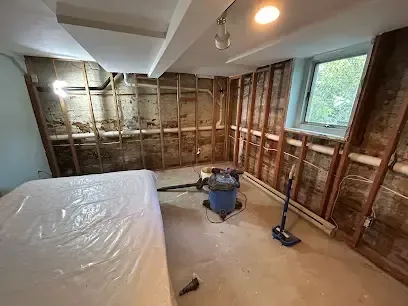
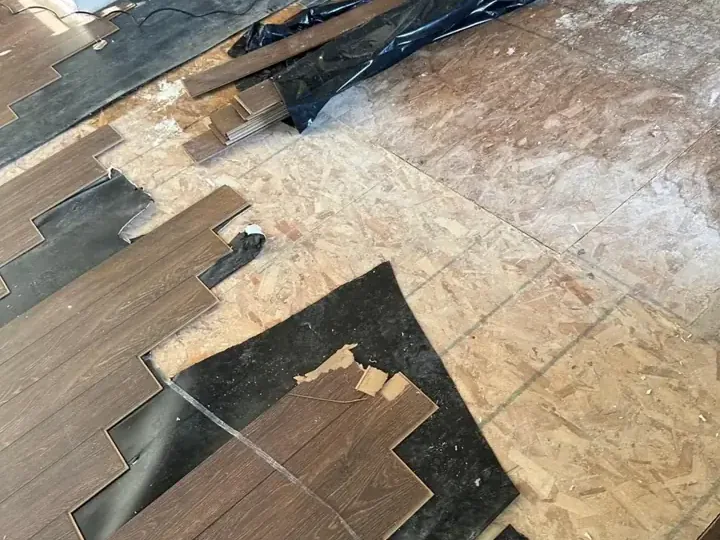
Pumps and wet vacuums remove standing water, and wet carpet padding or soaked insulation comes out when it cannot be saved.
Dry and dehumidify
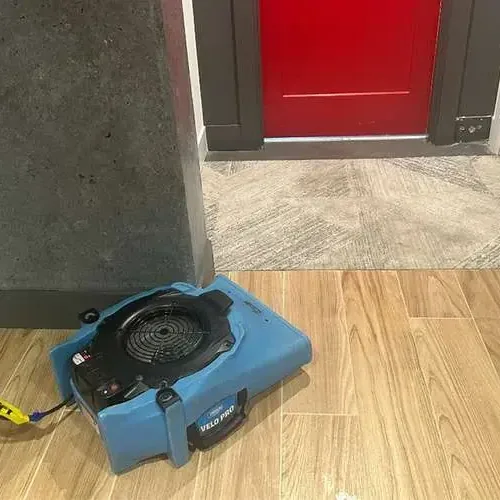
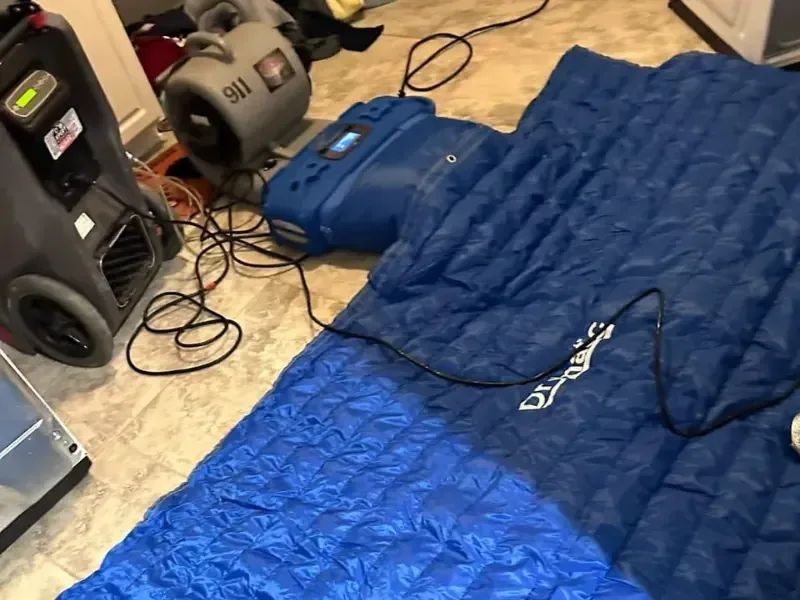
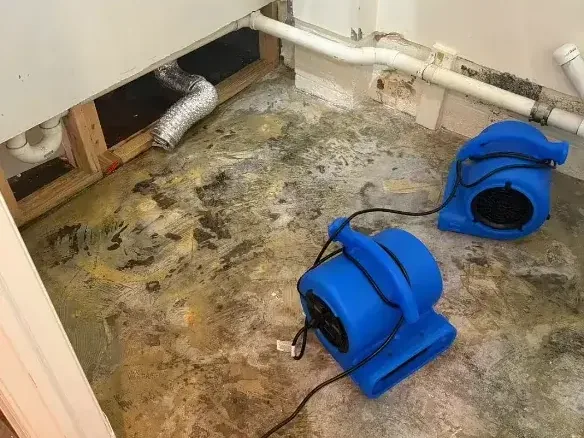
Air movers push air across wet surfaces while dehumidifiers pull moisture out of the room, with equipment placed to match the layout of the loss.
Verify and document
Final readings are compared with unaffected areas of the same home, and the drying log, photos and invoices are packaged for the claim.
Where most household water damage starts
Pipes that split or seep
A hidden pinhole leak can soak a wall for days before a stain shows, and a burst pipe can empty into several rooms fast.
See burst pipe and pinhole leak workAppliance leaks in rentals
A washer or dishwasher leak in a rental often concerns both tenant and owner, so early photos and a shared note help.
Appliance and supply hose leaksSewage backing up indoors
The pipe carrying wastewater from a building to the main sewer belongs to the property owner, and a backup inside needs protective cleanup.
Sewage backup cleanup detailsWhat water damage restoration can cost
Most water damage jobs in Montclair run from $500 for a small clean water loss to $25,000 for a whole floor or sewage loss, and the final figure depends on how far the water spread and how long it sat.
A small clean water loss
- Water from a supply pipe
- A few days of drying
- Little material removal
A room sized or slab leak
- Walls and flooring affected
- Longer drying with more equipment
- Moisture checked each visit
A whole floor or sewage loss
- Large affected area
- Contaminated material removed
- Extended drying and cleaning
What moves the number
These figures are planning ranges, not quotes. A written estimate follows an on site look at the damage, and insurance coverage varies by policy and cause of loss.
For a range built from your own answers, try the water damage cost calculator.
Working with an adjuster
Many water losses lead to a claim, and an adjuster can work faster when the restoration record runs from the first photo to the final moisture reading.
- Photos of the source and every wet room
- Dated moisture readings from each visit
- An itemized list of damaged belongings
- Receipts for any emergency repairs
- Notes on when and how the leak began
When the home is rented
A tenant should tell the owner or property manager about a leak promptly and keep copies of every message, since renter's policies and the owner's policy cover different things.
Owners who live in the home can report the loss to their insurer while the crew starts drying, because the moisture records support the claim either way.
What a structural dry out looks like from the inside
Water damage help across Montclair, CA
ZIP code served
Reaching Monte Vista, Narod and the Montclair Place district
The restoration team covers the whole city, including the Monte Vista tract, the Narod area and the streets around the Montclair Place district.
Describe the address, the source and what is wet, and the crew plans the equipment before it arrives.
Montclair, CA · [email protected]
(888) 563-9619Request a drying crewMain roads and corridors
Nearby towns
What shapes water damage in Montclair
Montclair sits in the Pomona Valley at about 1,066 feet, with Pomona to the west and Ontario to the east, and its water risks run from pipes and drains to rain and large commercial buildings.
February 2014 A water leak at Central Avenue and Palo Verde Street leaked into an underground Southern California Gas pipe, leaving about 1,000 residents and businesses without gas for four days.
Rented homes, shared decisions
With 45.2% of occupied homes rented, one leak can involve a tenant, an owner and a property manager, and a late report gives moisture more time to spread through the walls.
Street leaks and hydrants
The Monte Vista Water District supplies water, and the city sends residents to it for a leaking pipe, a hydrant problem or water pooling in the public right of way. The City of Montclair does not manage water utilities.
Sewer pipes and owner duty
City crews clean the main sewer pipes every two years, while the pipe from the building to the main is the property owner's responsibility.
Storm runoff channels
Runoff near Montclair is managed through the San Antonio Creek channel and the Montclair Basins, and the city offers sandbags to residents with a valid ID at the City Yard while supplies last.
Retail, transit and civic buildings
Montclair Place, the Montclair Transit Center, school campuses and civic buildings all need water losses handled fast to protect daily operations and the people who use them.
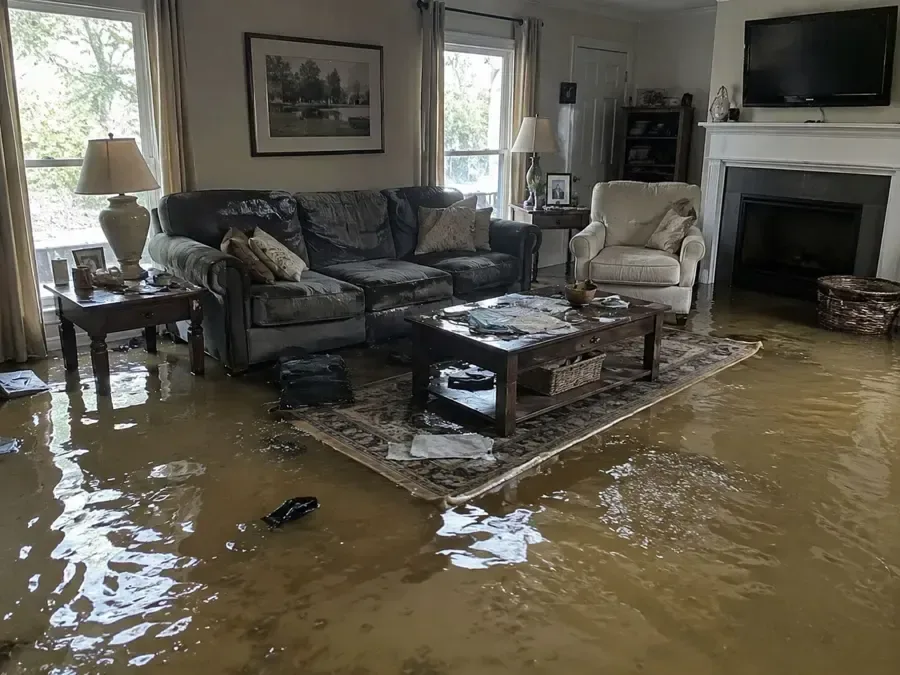
Questions about water damage
Need a crew for a wet floor?
Describe the source and the wet rooms to the restoration team, and equipment is lined up before it reaches the property.
(888) 563-9619 Speak with a drying specialistWho handles a leaking pipe in the street?
The Monte Vista Water District handles leaks in the street, at hydrants and in the public right of way, since the City of Montclair does not run water utilities. A burst pipe inside the building is the owner's concern.
Who is responsible for a sewer backup?
The pipe carrying wastewater from the building to the main sewer is the property owner's responsibility. The city's Public Works crews maintain the main sewer pipes, and the Inland Empire Utilities Agency owns the regional sewer system.
Can the city check a blocked sewer with a camera?
City crews can televise a building sewer at no cost to find a blockage, but only when a cleanout is installed. Owners can check building permit records to learn whether a property is on the city sewer or a septic tank.
How much does water damage restoration cost here?
Small clean water losses run $500 to $2,000, room sized or slab leaks $2,500 to $7,500, and whole floor or sewage losses $8,000 to $25,000. The estimate depends on the spread and the materials involved.
What should a tenant do when a leak starts?
Shut off the water if it is safe, take photos, and tell the owner or property manager in writing. Then call the restoration team so extraction starts before the moisture climbs walls and soaks flooring.
How long does drying take?
Most clean water jobs need a few days of equipment, and larger or sewage losses need longer. The crew stops only when moisture meters show walls, floors and framing back at normal levels.
Where can residents get sandbags before heavy rain?
The city offers sandbags to residents with a valid ID, while supplies last, at the City Yard on Monte Vista Avenue. Sandbags slow water at a door, but they do not replace extraction.
Does the crew work with rental properties and managers?
Yes. The crew documents the loss for the tenant, owner and manager alike, since 45.2% of occupied homes here are rented. All parties can share the same photos and moisture readings when a claim is filed.
What happens when a store or office floods?
Commercial losses call for a plan that protects stock, equipment and operations. The crew extracts, sets drying equipment in sections and works to keep part of the space usable where possible. See commercial water damage.
Can a ceiling leak come from something other than the roof?
Yes. A ceiling stain can come from a roof leak, a supply or drain pipe above it, or an overflowing air conditioner drain, so the source is traced before the ceiling is dried and closed.
Call about water damage in Montclair, any hour
Describe what is wet and how it started, and the restoration team plans the right extraction and drying.
(888) 563-9619Call the drying crew now