Water Damage Restoration in Glendora, CA
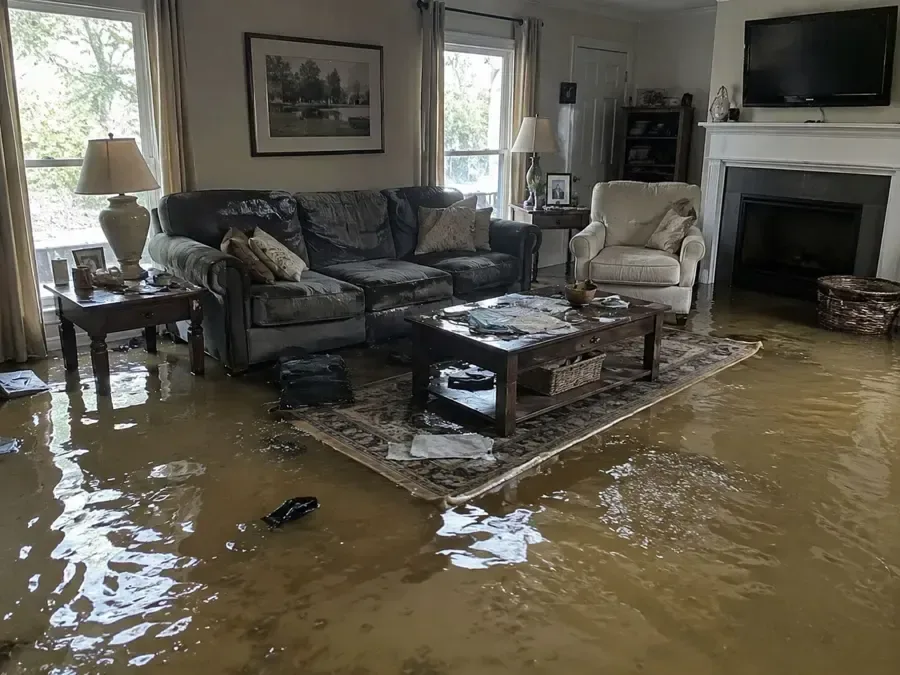
When a pipe splits or a winter storm pushes water inside, the restoration team extracts the standing water first, then dries walls, floors and framing with controlled airflow and moisture readings.
(888) 563-9619Tell the team what got wetPhotos and readings are logged at each visit so an adjuster can see what got wet and when it dried.
Services for every kind of water loss
From a failed supply hose to a storm-soaked garage, each service below has its own page with the steps, price ranges and questions for that kind of loss.
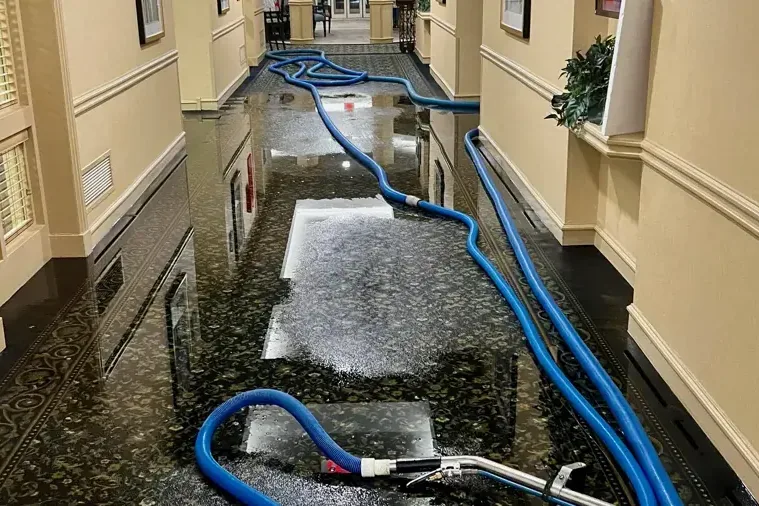 Water Extraction and RemovalPumps and wet vacuums pull standing water off floors and out of carpet pad before it reaches the walls.Scope and steps
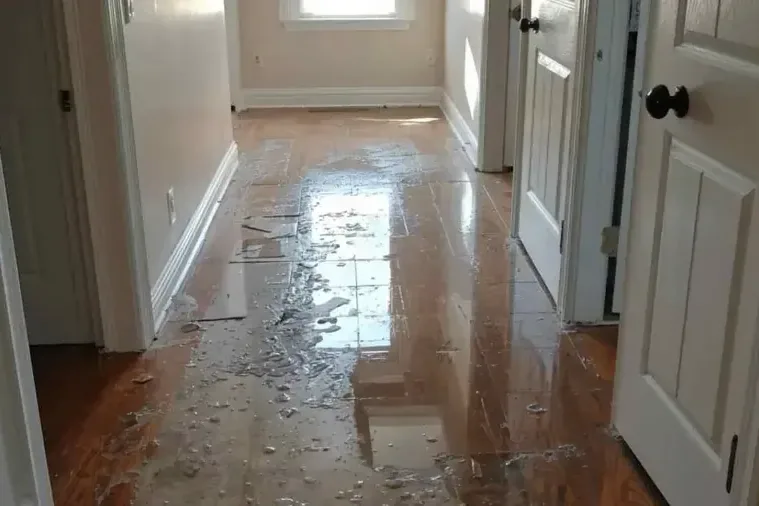 Slab Leak Water DamageA pipe leaking under a concrete floor is traced, then the wet slab and the flooring above it are dried out.Scope and steps
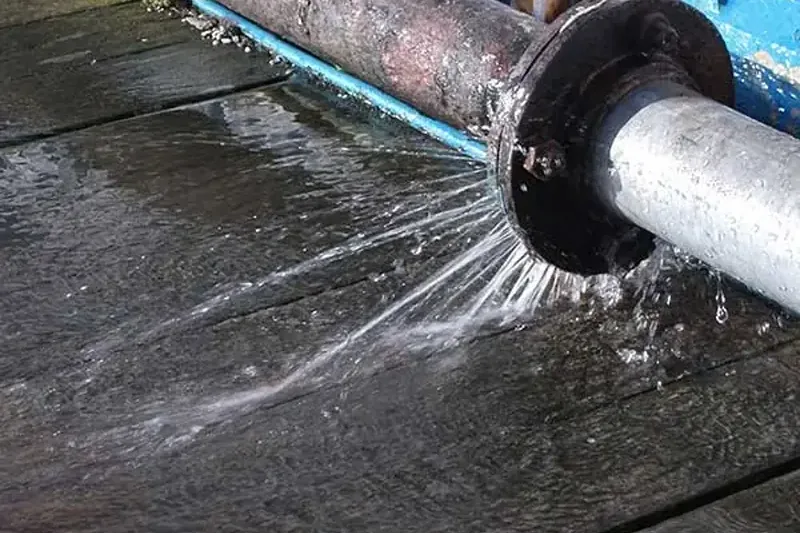 Burst and Pinhole Pipe LeaksSplit pipes and pinhole leaks inside walls and ceilings are dried once the supply is shut off and the source repaired.Scope and steps
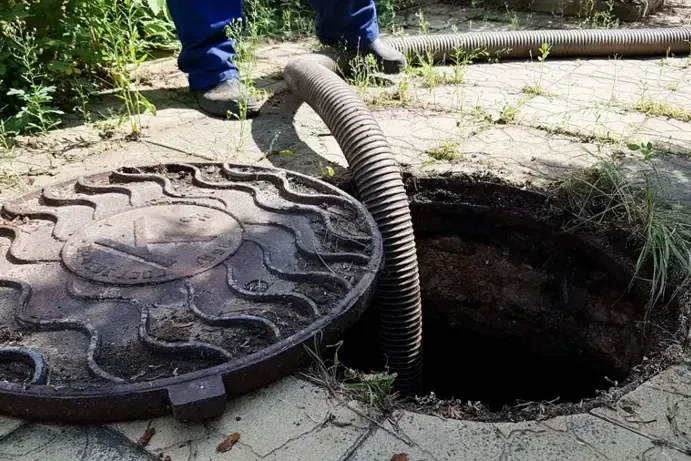 Sewage Backup CleanupA sewage backup is contaminated water, so affected materials are removed and the area is cleaned, sanitized and dried.Scope and steps
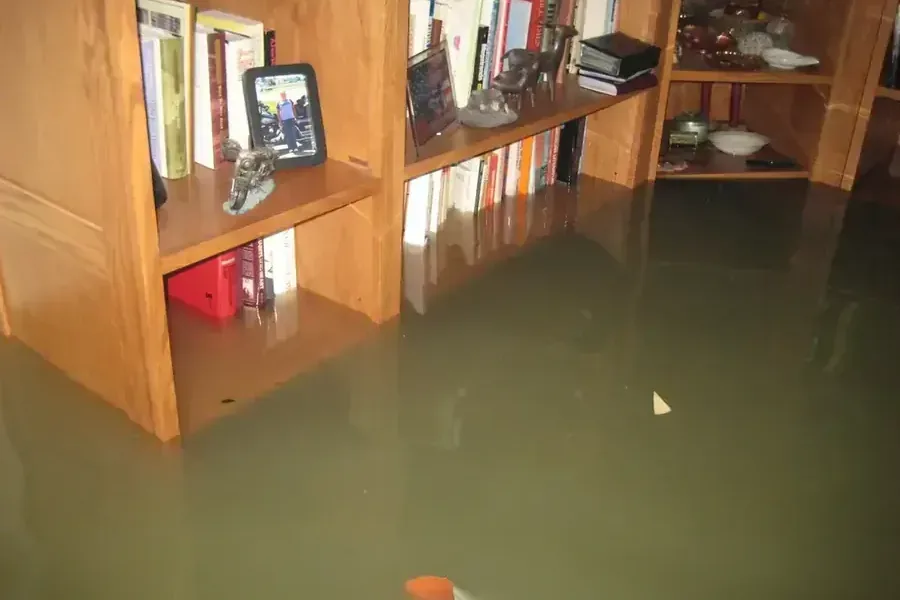 Winter Storm and Hillside Runoff CleanupWinter rain that runs into a garage, entry or ground-floor room is pumped out and the soaked materials are dried.Scope and steps
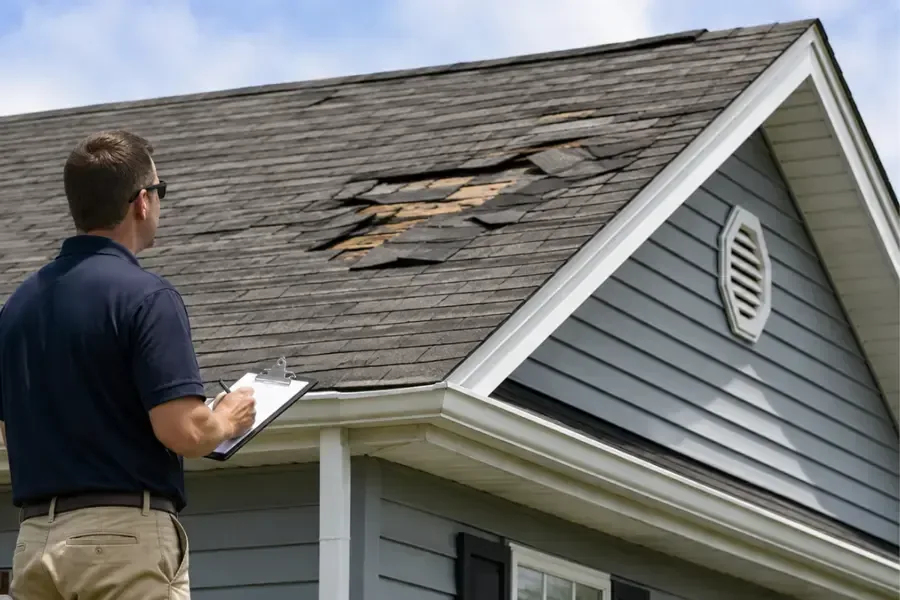 Roof Leak Water DamageRain that comes through a roof soaks the attic, insulation and ceilings, so each layer is checked and dried.Scope and steps
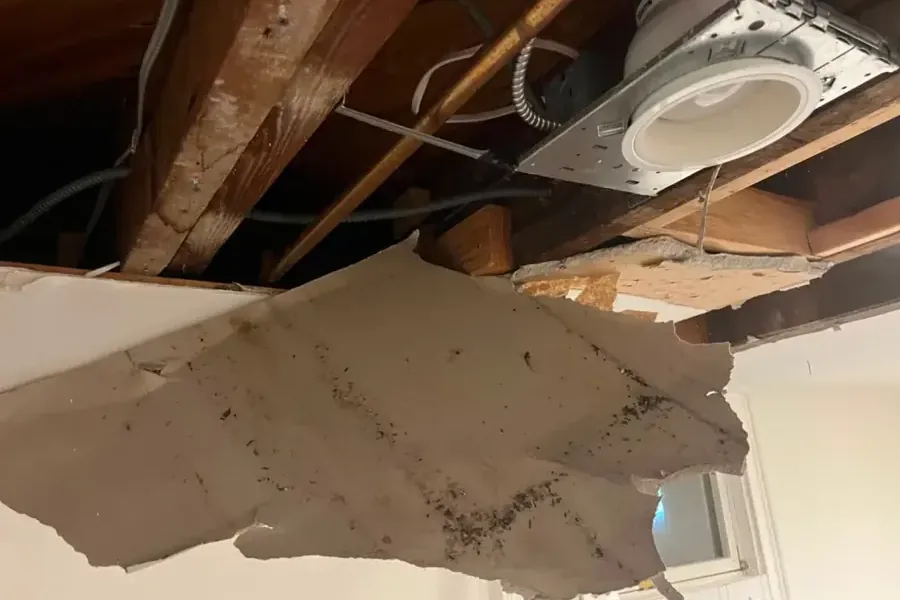 Ceiling Leak Water DamageStained or sagging ceiling drywall is traced to its source, opened where needed and dried before repairs start.Scope and steps
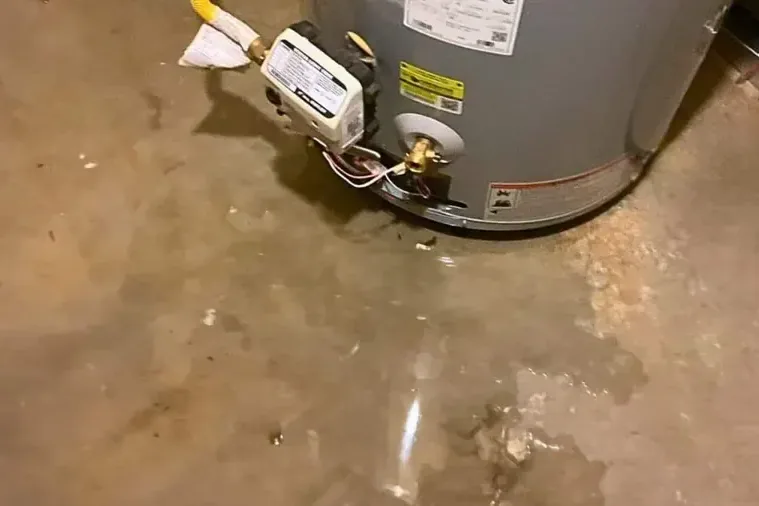 Water Heater Leak CleanupA failed tank can empty into the floor and walls around it, so the water is extracted and the closet is dried.Scope and steps
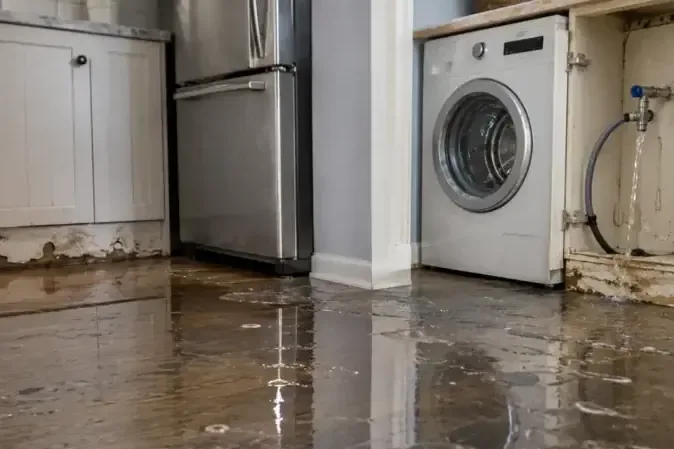 Appliance and Supply Hose LeaksDishwasher, washer and refrigerator hose leaks are dried out, along with the floors and walls of nearby rooms.Scope and steps
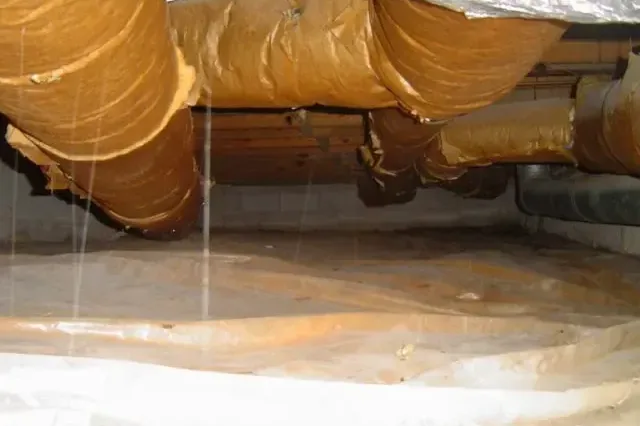 AC Condensate Overflow CleanupA clogged condensate drain or overflowing pan can stain ceilings and soak insulation, so the water is removed and the area dried.Scope and steps
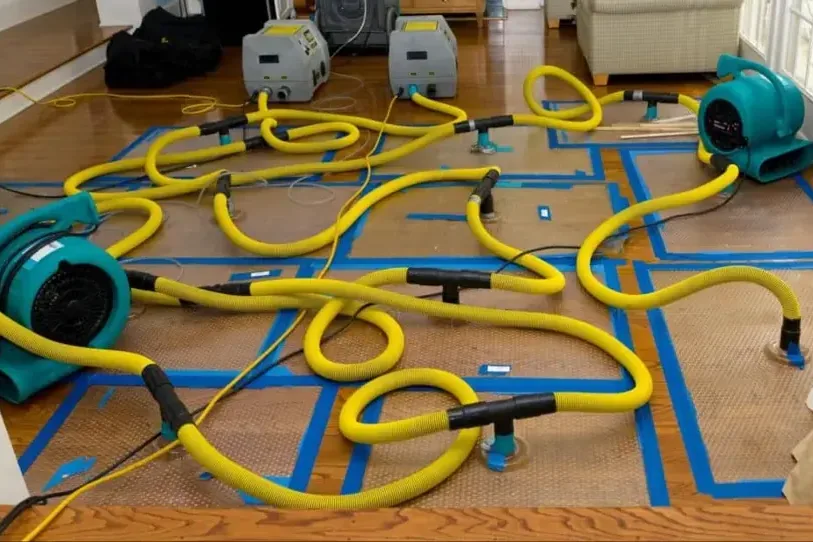 Structural Drying and DehumidificationAir movers, dehumidifiers and moisture meters dry framing, subfloors and walls until the readings come back to normal.Scope and steps
 Commercial Water DamageShops, offices and restaurants get a loss plan built around protecting stock and equipment and keeping the doors open.Scope and steps
A drying plan built on readings, not guesses
Foothill homes and downtown buildings hold water differently, so equipment is set by the moisture readings in each room rather than by a standard package.
Readings steer the work
Meters check studs, subfloors and drywall at each visit, and equipment stays until the numbers show the structure is dry.
Every era of house
Queen Anne and Folk Victorian houses, early bungalows, ranch-style homes and large estates hide water in different framing, so each dry-down is planned house by house.
Clear notes for adjusters
Photos, readings and equipment logs are kept together, giving the insurance claim a clean record of what was wet.
Honest scope
The team says what can be dried in place and what has to come out, and leaves sound materials alone.
What to do while the water is still spreading
- Stop the source. Shut the main valve or the appliance valve, and switch off power to wet outlets only if it is safe to reach them.
- Describe the loss. Tell the team what failed, which rooms are wet and whether the water looks clean or dirty, so the right equipment is planned.
- Lift what you can. Move small valuables, rugs and cords off wet floors and put blocks under furniture legs.
- Photograph the damage. Take pictures of the water, the source and the damaged items before anything is moved, since adjusters ask for them.
- Leave the drying to the team. Household fans move air but cannot pull moisture out of studs, so professional equipment handles the dry-down.
Extraction, airflow and dehumidification in the right order
Water is removed first, then air movers and dehumidifiers run together so moisture leaves the materials instead of just moving around. Readings decide when each piece of equipment comes out.
Extract
Pumps, wet vacuums and extraction wands remove standing water and pull moisture out of carpet and pad.
Open
Baseboards, drywall edges and flooring are lifted or cut back wherever moisture is trapped, so air can reach the framing and the cavity behind it.
Dry
Air movers and dehumidifiers run on a layout set by the readings, and units are moved, added or removed at each check, so no room is over-dried or left damp.
Confirm
Final readings are compared with dry parts of the home, and the job closes only when the framing matches them.
Where residential water damage usually starts
Pipes inside walls
A worn fitting or pinhole in a wall or ceiling pipe can soak drywall and insulation for days before any stain shows.
Burst and pinhole pipe leaksAppliance supply hoses
Dishwashers, washers and refrigerators fail at the hose, and in a building with shared walls the leak can reach the next unit.
Appliance leak helpSewer and drain backups
A backed-up drain sends contaminated water into bathrooms and hallways, and it needs removal and sanitizing, not just drying.
Sewage backup cleanupWhat water damage restoration can cost here
Costs scale with the area that is wet, how long it sat and whether the water was clean or contaminated, so the cards below show three common sizes of loss. A written scope follows the first moisture readings.
Small clean spill
- One wet room edge
- Extraction and fans
- A short dry-down
Room-sized or slab leak
- One or two rooms
- Flooring lifted to dry
- Several days of drying
Whole floor or sewage
- Large wet footprint
- Contaminated materials removed
- Extended equipment runs
What moves the number
Ranges are planning figures, not quotes. Insurance coverage varies by policy, and the written scope after the first visit sets the real number for the job, once readings show how far the water traveled.
For a range built from your own answers, try the water damage cost calculator.
Records that support your claim
Policies differ on which water losses they cover, so the team concentrates on documenting the loss clearly and leaves coverage decisions to the carrier and the adjuster.
- Dated photos of each wet room and item
- Moisture readings from every visit
- Equipment placement and run time by day
- A list of materials removed and why
- A note on what caused the water
Filing the claim yourself
Contact the insurance company soon after the water stops, describe the loss in plain terms and ask what the policy requires before anything is thrown out.
Keep damaged items until the adjuster has seen or photographed them, and save every receipt for emergency repairs, temporary housing and replacement belongings.
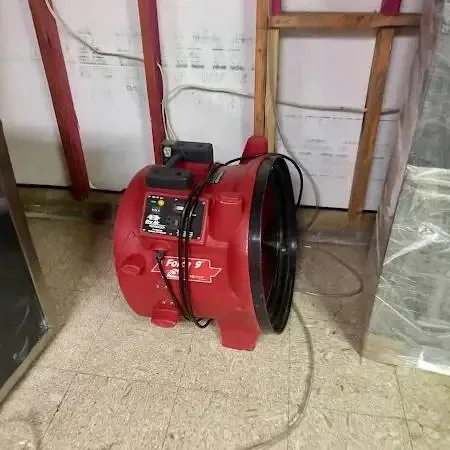
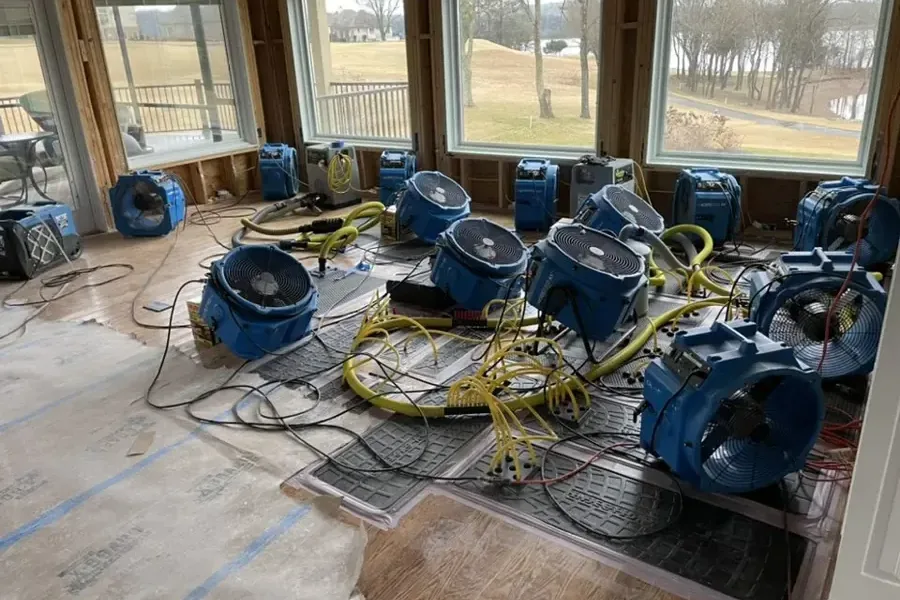
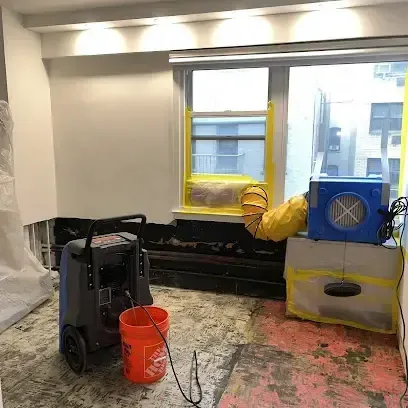
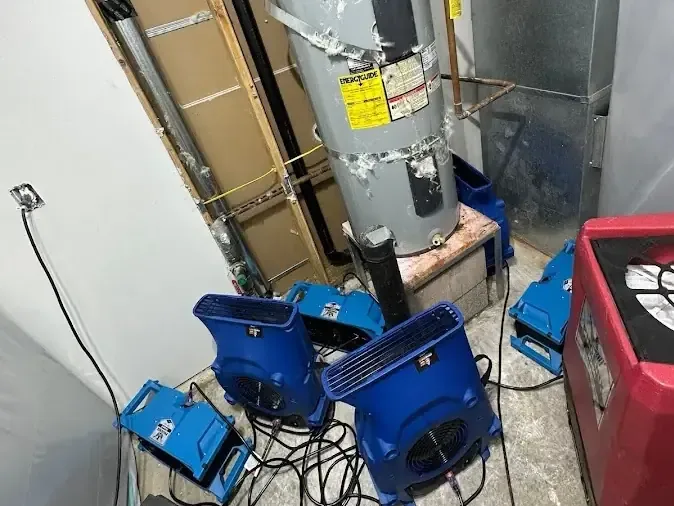
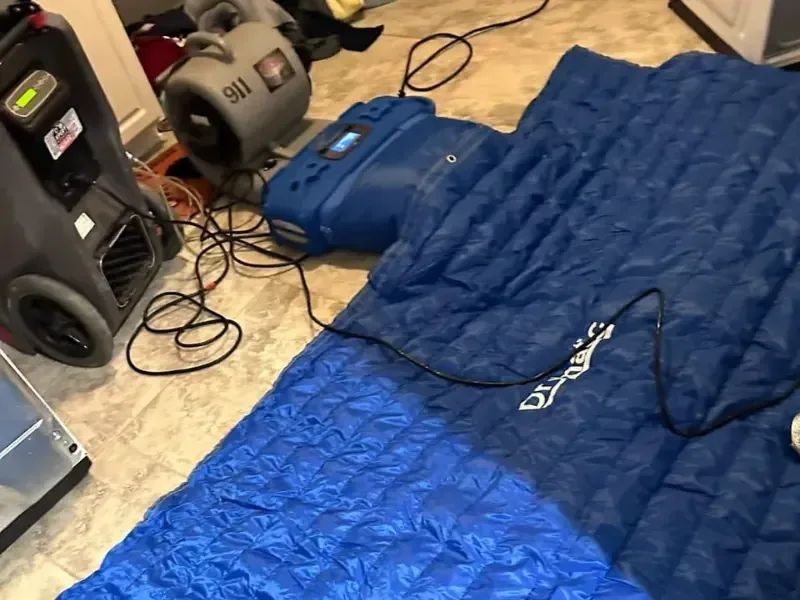
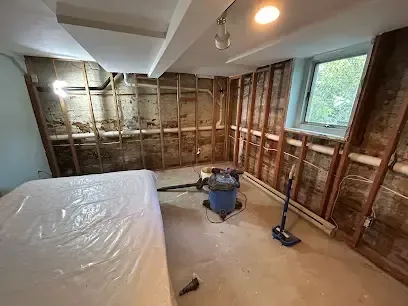
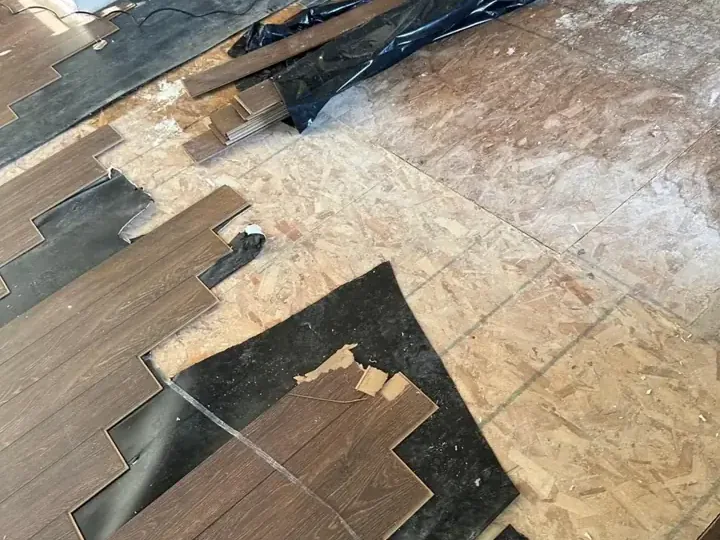
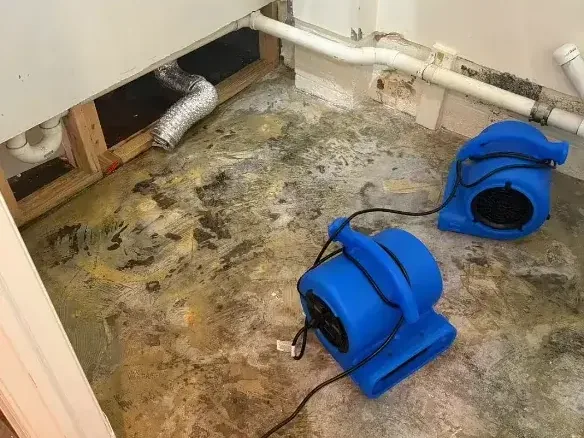
Equipment and open walls during a typical dry-out
From the foothills to Charter Oak
ZIP codes served
Water in a home or shop? Describe it for a plan
The restoration team works across the city, from Village shops and Route 66 businesses to homes on foothill roads and the older streets of Alosta and Charter Oak.
Describe what is wet and where the water started, and the extraction and drying plan is built from that conversation.
Glendora, CA · [email protected]
(888) 563-9619Ask about extraction at your addressMain roads and areas
Nearby cities
Where water damage starts in Glendora homes
Glendora has a dry Mediterranean climate, with about 18.16 inches of rain in an average year, most of it in the winter rainy season. After a long dry stretch, the first heavy storms find every weak spot.
February, the wettest month February averages 4.76 inches of rain, the most of any month, so a roof, gutter or window that held through the fall can start leaking then.
Winter roof and window leaks
Rain is concentrated in a few winter months, so water can enter through flashing, vents or window frames long before a stain shows on a ceiling. The roof leak page covers what to check.
Summer air conditioners
August highs average about 92 degrees F, so condensate drains and pans work hard and can overflow into ceilings, closets and attic spaces.
Hillside driveways
Steep driveways and narrow, winding roads in the Easley Canyon area and on Glendora Avenue north of Sierra Madre Avenue can send runoff toward garage doors and entries, so a storm that looks small on the street can still put water in a garage.
Mixed housing
Queen Anne and Folk Victorian houses, bungalows, ranch-style homes and multi-family complexes route water differently, and a leak with shared walls can reach a neighbor.
Village buildings
Glendora Village along Glendora Avenue mixes restaurants, cafes and shops in converted historic buildings, where a kitchen or restroom leak can reach neighboring businesses.
Glendora water damage questions
Water in the house right now?
Describe what is wet and where it started, and the team will explain the extraction and drying steps and what the first visit includes.
(888) 563-9619 Talk to the drying team in GlendoraHow quickly does water need to come out?
As soon as possible. Drywall, baseboards and flooring keep absorbing standing water, and mold can begin to grow once materials stay damp through the 24 to 48 hour window after a loss. Early water extraction keeps the dry-out smaller.
What happens during the first visit?
The team confirms the source is stopped, tests walls and floors with moisture meters, extracts standing water and sets drying equipment. Photos and readings from that visit become the start of the claim record.
Is a sewage backup handled differently from clean water?
Yes. Backed-up drain water is contaminated, so porous materials it touched are removed and the area is cleaned and sanitized before drying begins. Sewage backup cleanup lays out the full process.
Can wet carpet, hardwood or drywall be saved?
It depends on the water and the time. Clean water caught early often lets flooring and drywall dry in place, while contaminated water or long exposure usually means removal. Moisture readings settle it material by material.
How long does drying take?
Many clean-water losses dry in several days, but a soaked slab, a thick subfloor or a whole level can take longer. Readings, not the calendar, decide when equipment comes out, as structural drying explains.
What does the winter rainy season mean for a home?
Rain averages about 18.16 inches a year and arrives mostly in winter, so roofs, windows and garage doors face their real test after a long dry stretch. Storm cleanup is there when water gets in.
Will homeowners insurance pay for water damage?
Many policies cover sudden losses such as a burst pipe or failed water heater but not gradual leaks or flooding from outside. The team documents the loss, and the carrier decides coverage.
What if the leak started in a neighboring unit?
In attached buildings, water can travel through shared walls and ceilings. The team dries the affected unit, records where the water entered and provides notes the owner or manager needs to sort out responsibility.
Are shops and restaurants handled too?
Yes. Commercial water damage work is planned around protecting stock, equipment and the work areas a business needs open, so a leak in one suite does not close the whole building.
What should be moved before the team arrives?
Small valuables, rugs, electronics and paper records go to a dry room, and cords should be lifted off wet floors. Large furniture can stay, since the crew puts blocks under the legs.
Wet floors and soaked walls need drying, not waiting
Describe the loss and the restoration team will lay out the extraction and drying steps for the home or shop.
(888) 563-9619Report the loss to the team