Roof Leak Water Damage in Glendora, CA
Glendora's rain falls mostly in winter after a long dry stretch, about 18.16 inches in an average year, so roof leaks tend to show up with the first heavy storms. The restoration team dries what the water reached.
(888) 563-9619Report a roof leak inside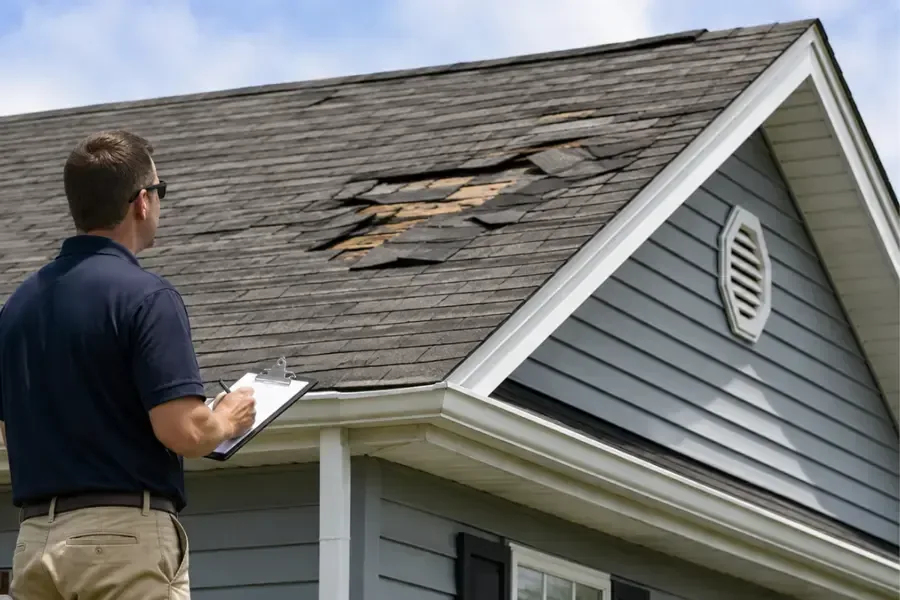
What every roof leak water damage job includes
Extraction comes first
Truck-mounted and portable extractors pull free water before any fan goes down, since lifting liquid water out is far faster than evaporating it.
Dried to IICRC S500
Air movers and LGR dehumidifiers are sized to the class of loss, and the equipment stays until readings sit within 2 to 4 points of a dry reference.
A claim file built on site
Moisture maps, daily psychrometric logs and timestamped photos taken before any demolition give the adjuster a clear record of the loss.
Valley houses, valley habits
Slab floors with copper underneath, attic air handlers and large floor plans decide where water hides, so the walkthrough checks each one.
What to do right now about roof leak water damage
- Catch the drips. Buckets and plastic protect floors and furniture while the leak continues.
- Document the damage. Photograph stains and the attic, then call the insurance company.
- Open and extract. Wet insulation and sagging drywall come out and the water is removed.
- Dry the layers. Equipment dries the attic, ceiling and walls below until they test dry.
What does roof leak water damage cost in Glendora, CA?
Roof leak costs depend on the size of the wet area and how many layers got wet. A small ceiling stain stays inexpensive, while a large attic area adds insulation removal and more drying.
Small ceiling stain
- One ceiling patch
- Spot drying
- Brief readings
Room-sized leak
- Drywall section removed
- Insulation replaced
- Several days drying
Large attic area
- Wide insulation removal
- Rooms below dried
- Extended monitoring
What the claim file holds
Ranges are typical, not a quote: the water category, square footage, material class and how fast drying started move the number most. Sudden and accidental water from a pipe, appliance or tank is often covered by a homeowner policy, while surface flooding usually needs a separate flood policy, so check your own policy.
The mitigation team builds the file an adjuster reads: a moisture map, daily psychrometric logs, timestamped photos taken before demolition, the category and class, and a line-item scope. For a closer range, run the water damage cost calculator.
How roof leak water damage is handled, step by step
Find the path
Trace the water from stain to roof opening.
Remove the wet
Soaked insulation and soft drywall come out.
Dry
Equipment dries the attic and the ceiling below.
Confirm
Readings return to normal levels.
After months without rain, a roof shows its weak spots all at once. Lifted shingles, cracked flashing and loose vent boots let water in, and it travels along rafters before it drips, so the stain on a ceiling can sit far from the real opening.
What gets wet above the ceiling
Attic insulation soaks up water and stops insulating, drywall softens and sags, and framing holds moisture longer than it seems. The crew checks each layer with meters and a thermal camera, removes insulation that is soaked and opens ceiling sections only where readings show water.
Roofers and restoration
A roofer stops the water at the source, while the restoration team removes it from the house. Keeping the two jobs in step matters, because drying before the roof is sealed can be undone by the next rain. Water that enters at ground level instead is covered under storm cleanup.
Drying and repair order
Once the roof is sealed, air movers and dehumidifiers dry the attic and the rooms below. Ceiling repairs wait until readings are normal, so paint is not closed over damp framing. See ceiling leak water damage for the interior side.
Roof leak water damage across Glendora and nearby communities
Roof leak work covers ZIP 91740 and 91741, including older bungalows and Folk Victorian houses near the Village and ranch-style homes near Lone Hill Avenue and Grand Avenue.
The same service nearby: roof leak water damage in Walnut, Pomona, Montclair.
Related water damage services in Glendora
Roof Leak Water Damage questions, answered
Still dealing with it?
One storm's leak can soak insulation and drywall, so early attic drying limits what has to come out.
(888) 563-9619 Plan the attic dry-outWhy do roof leaks show up with the first big storm?
Dry months let shingles, flashing and seals wear unnoticed, so the first heavy rain finds every gap at once. February averages 4.76 inches, the most of any month.
Is the stain directly under the hole?
Often not. Water runs along rafters and insulation before it drips, so the stain can sit several feet from the opening.
Does wet attic insulation have to be replaced?
Usually. Soaked insulation holds water and stops insulating, so wet sections are removed while dry sections nearby can stay.
Should the roof be fixed before drying?
The roof should be sealed first or the next rain wets the room again. The restoration team can extract water and start drying while the roofer works.
Will insurance cover a roof leak?
Many policies cover sudden storm damage but not wear or neglect. Photos, a roofer's note and the team's moisture logs make the claim clearer.
Could mold form in the attic?
It can when insulation and framing stay damp, which is why wet material is removed and the attic is dried until readings are normal.
Roof water keeps soaking until it is dried
Describe the stain and when it started, and the team will explain how the attic and ceiling are dried while the roof is repaired.
(888) 563-9619Describe the ceiling stain