Winter Storm and Hillside Runoff Cleanup in Glendora, CA
Glendora averages about 18.16 inches of rain a year, and February is the wettest month. When a storm pushes runoff into a garage, entry or room, the team pumps it out and dries what it soaked.
(888) 563-9619Report water after a storm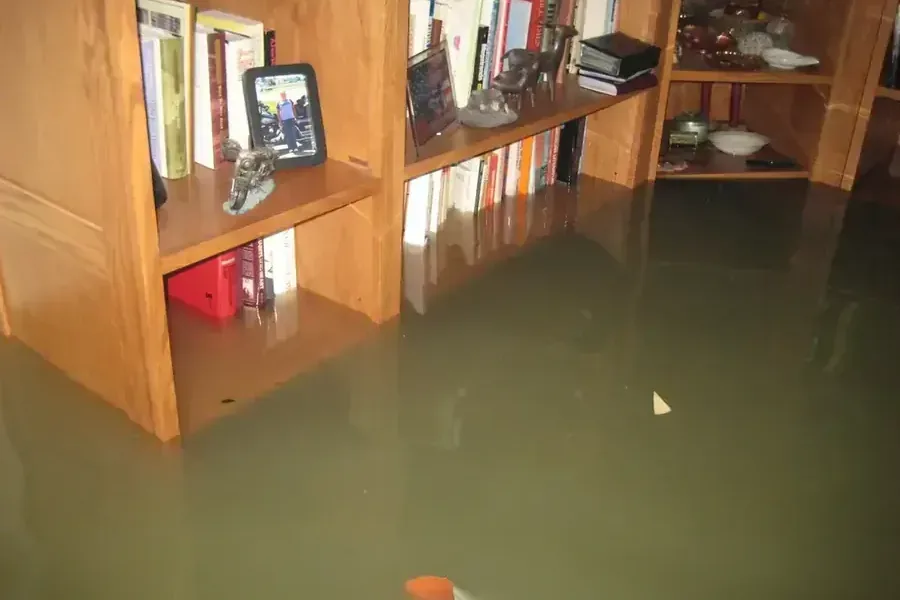
What every winter storm and hillside runoff cleanup job includes
Extraction comes first
Truck-mounted and portable extractors pull free water before any fan goes down, since lifting liquid water out is far faster than evaporating it.
Dried to IICRC S500
Air movers and LGR dehumidifiers are sized to the class of loss, and the equipment stays until readings sit within 2 to 4 points of a dry reference.
A claim file built on site
Moisture maps, daily psychrometric logs and timestamped photos taken before any demolition give the adjuster a clear record of the loss.
Valley houses, valley habits
Slab floors with copper underneath, attic air handlers and large floor plans decide where water hides, so the walkthrough checks each one.
What to do right now about winter storm and hillside runoff cleanup
- Protect the entry. Move contents up and keep power away from wet outlets.
- Pump the water out. Pumps clear the garage, entry or room.
- Clear silt and clean. Mud and litter are removed and surfaces cleaned.
- Dry and test. Equipment runs until walls and floors read dry.
What does winter storm and hillside runoff cleanup cost in Glendora, CA?
Storm cleanup costs follow how far the water traveled inside. A wet garage or entry is the smallest job, while water across a whole floor adds more pumping, more cleaning and a longer dry-out.
Garage or entry
- Pump-out and silt removal
- Floor cleaned and dried
- Stored items lifted
Several rooms
- Carpet and pad removed
- Lower walls dried
- Daily readings
Whole floor
- Water across a level
- Extended cleaning
- Long dry-out with checks
What the claim file holds
Ranges are typical, not a quote: the water category, square footage, material class and how fast drying started move the number most. Sudden and accidental water from a pipe, appliance or tank is often covered by a homeowner policy, while surface flooding usually needs a separate flood policy, so check your own policy.
The mitigation team builds the file an adjuster reads: a moisture map, daily psychrometric logs, timestamped photos taken before demolition, the category and class, and a line-item scope. For a closer range, run the water damage cost calculator.
How winter storm and hillside runoff cleanup is handled, step by step
Assess
Check how far the water traveled.
Pump
Remove standing water and silt.
Clean
Wash hard surfaces and discard soaked items.
Dry
Run equipment until readings settle.
Most of the rain here arrives in the winter rainy season after a long dry stretch, and the city sits at the foot of the San Gabriel Mountains. Homes on steep driveways and narrow hillside roads, such as the Easley Canyon area, can see runoff reach a garage door or entry.
How storm water differs from a leak
Water that has run across streets and slopes picks up silt, oil and grime, so the crew treats it as contaminated until the source is clear. Pumps clear the volume, silt is shoveled or vacuumed away, and hard surfaces are cleaned before drying equipment goes in.
Garages, entries and ground floors
Garage floors are usually concrete and drain slowly, and they often hold stored boxes and tools, so contents are lifted first. Entries and ground-floor rooms are checked for water wicking into baseboards and drywall, which can climb well above the visible waterline.
After the water is out
Once the volume and silt are gone, air movers and dehumidifiers dry the framing and flooring, with readings taken until the walls return to normal. Structural drying and water extraction work from the same readings.
Winter storm and hillside runoff cleanup across Glendora and nearby communities
Storm cleanup covers ZIP 91740 and 91741, from the hillside streets of the Easley Canyon area and Glendora Avenue north of Sierra Madre Avenue to Charter Oak south of the South Hills.
The same service nearby: winter storm and hillside runoff cleanup in Walnut, Pomona, Montclair.
Related water damage services in Glendora
Winter Storm and Hillside Runoff Cleanup questions, answered
Still dealing with it?
Storm water leaves silt and moisture in floors and walls, so the pump-out should not wait for the rain to end.
(888) 563-9619 Plan a storm pump-outIs storm water considered dirty water?
Usually, yes. Runoff carries silt, oil and grime from streets and slopes, so it is treated as contaminated and surfaces are cleaned, not just dried.
When is the rainy season?
Rain is concentrated in winter, with about 18.16 inches in an average year and February the wettest month at 4.76 inches, so winter storms matter most.
Can a garage be dried out?
Yes. A concrete garage floor is pumped, cleaned and dried, and stored items are lifted and sorted. The walls and framing at the base are checked for moisture before work ends.
Does insurance cover storm water?
Coverage for water that enters from outside often depends on the policy and on how it entered, and flood losses are frequently a separate policy. The team documents everything and the carrier decides.
What should be done while the rain is still falling?
Keep people out of wet rooms with live outlets, lift valuables and call the team to plan the pump-out. Drying equipment is set up once the water is out and the rain eases.
Heavy rain should not leave a garage soaked
Tell the team where the water entered, how deep it is and what is stored there, and the crew will explain the plan.
(888) 563-9619Report the storm water